9,500-Year-Old Funeral Pyre Gets Protected Status
A University of Oklahoma researcher's discovery of Africa's oldest cremation site just convinced Malawi to protect the 9,500-year-old location forever. The ancient funeral pyre is rewriting what we know about how early communities honored their dead.
An archaeological discovery in central Malawi is changing how we understand ancient African communities and their burial practices.
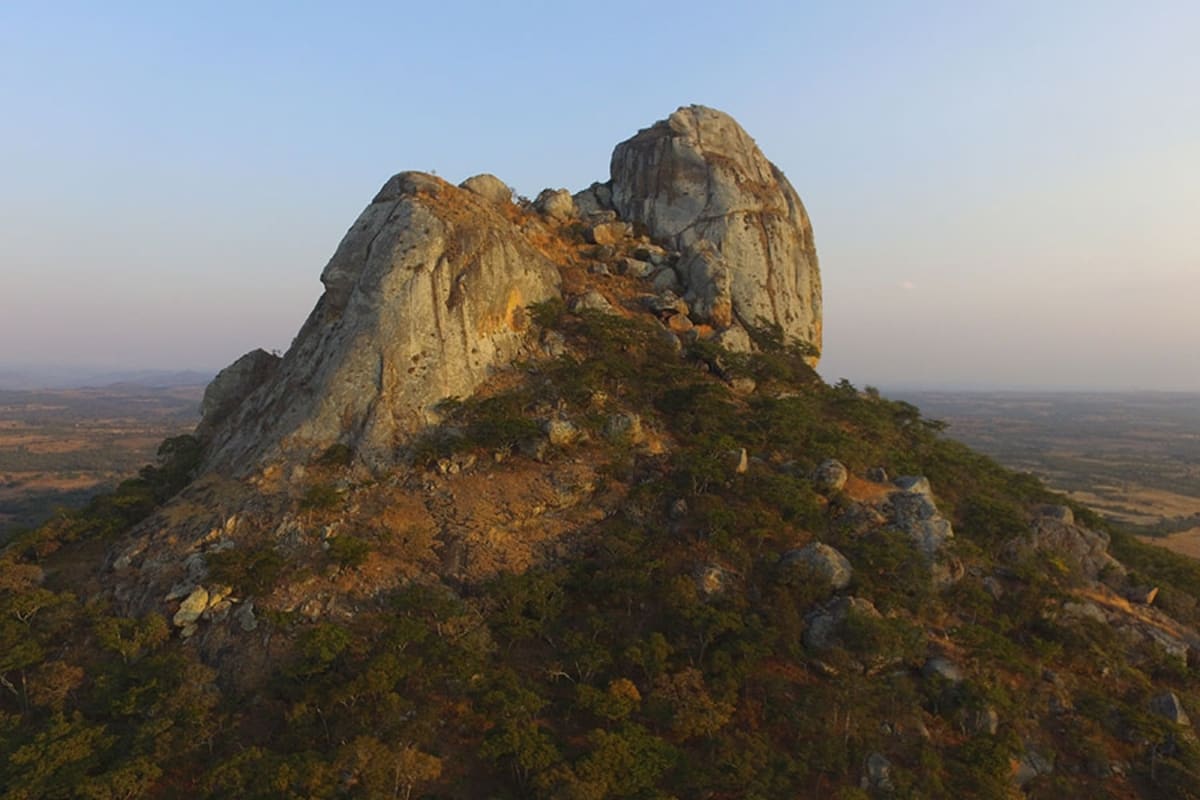
Jessica Cerezo-Román, an associate professor at the University of Oklahoma, helped uncover the world's oldest known adult funeral pyre at Mount Hora in Malawi. The intentional cremation dates back 9,500 years, making it the earliest evidence of cremation ever found in Africa.
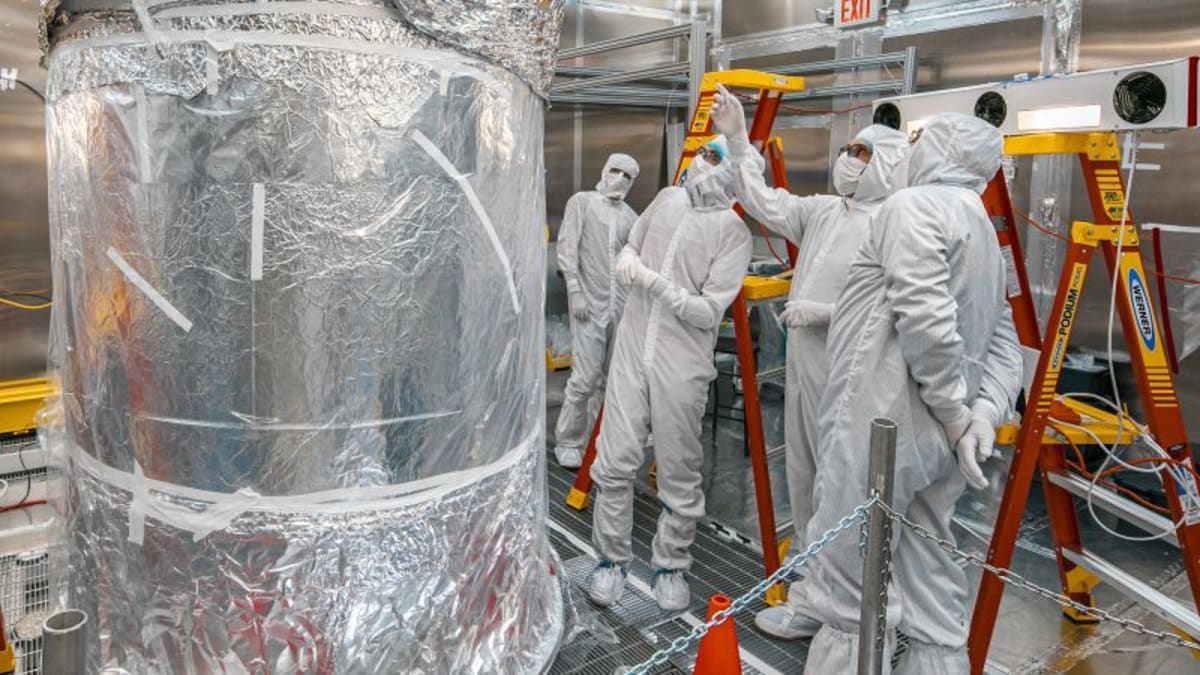
Working with an international team, Cerezo-Román analyzed burned bone fragments and sediment to piece together what happened millennia ago. The remains belonged to an adult woman who was deliberately burned at the base of Mount Hora, a practice that differed dramatically from other burials at the site where bodies were left intact.
The discovery, published in Science Advances earlier this year, reveals sophisticated death rituals among hunter-gatherer communities. It shows these ancient people had complex cultural practices and deep respect for their deceased long before written history.
The Ripple Effect
The research did more than expand our historical knowledge. When Cerezo-Román and Yale professor Jessica Thompson presented their findings in Malawi this summer, government officials took immediate action.
Malawi's Department of Museums and Monuments announced plans to designate Hora 1 as a protected monument. This protection extends beyond just preserving ancient bones and artifacts.
"That has a very direct implication to not only the protection of archaeological material, cultural property and cultural patrimony, but also to the surrounding community," Cerezo-Román explained. The designation could open doors for tourism and potentially lead to a museum celebrating the area's rich archaeological history.
Local communities stand to benefit economically while connecting more deeply with their ancestors' stories. The protection also ensures future researchers can continue learning from this remarkable site.
During her summer visit, Cerezo-Román spent time training local archaeologists and professionals in specialized analysis techniques. She worked in labs examining additional remains while sharing her expertise with Malawian researchers who will continue studying their own cultural heritage.
The collaboration represents a shift in how international archaeology works. Rather than outside experts swooping in and leaving, the project builds lasting capacity within Malawi itself.
This ancient funeral pyre is teaching us that honoring those we've lost connects us across thousands of years and reminds us that caring for each other is deeply, beautifully human.
Based on reporting by Google: archaeological discovery
This story was written by BrightWire based on verified news reports.
Spread the positivity!
Share this good news with someone who needs it