99% of Internet Traffic Flows Through Undersea Cables
Right now, as you read this, your connection travels through fiber-optic cables lying hundreds of meters beneath the ocean. A global summit this week in Portugal celebrates the invisible network keeping 8 billion people connected.
Every email you send, every video call you make, and every search you complete travels through a hidden world beneath the waves.
About 99 percent of international internet traffic flows through submarine cables stretching 1.7 million kilometers across ocean floors. That's enough cable to wrap around Earth several times, silently powering our digital lives.
These modern marvels aren't new technology reimagined. The first undersea cable connected England and France back in 1850 for telegraph messages. Today's fiber-optic versions carry hundreds of terabits of data per second, linking continents, markets, and homes across more than 500 commercial routes worldwide.
"People know the visible access points, such as mobile networks and satellites, but the underlying infrastructure that supports them is the vast network of submarine cables," says Tomas Lamanauskas, Deputy Secretary-General of the International Telecommunication Union. "These are our digital highways."
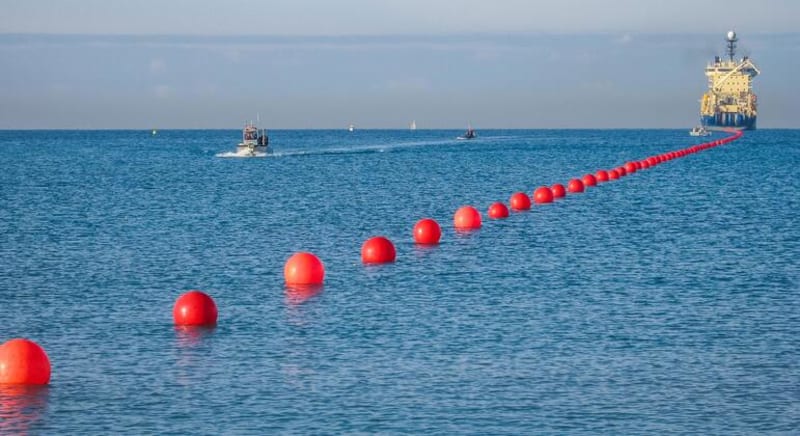
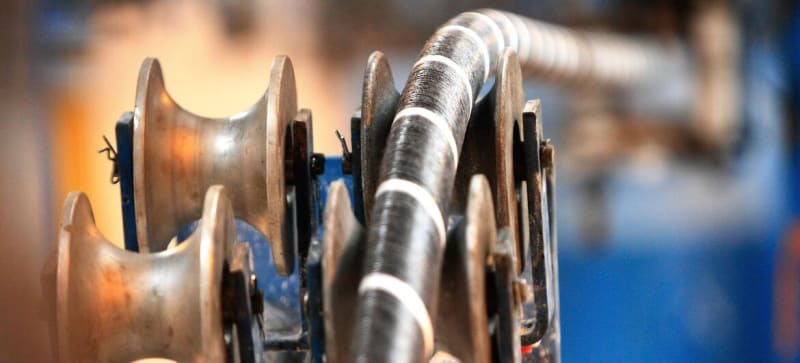
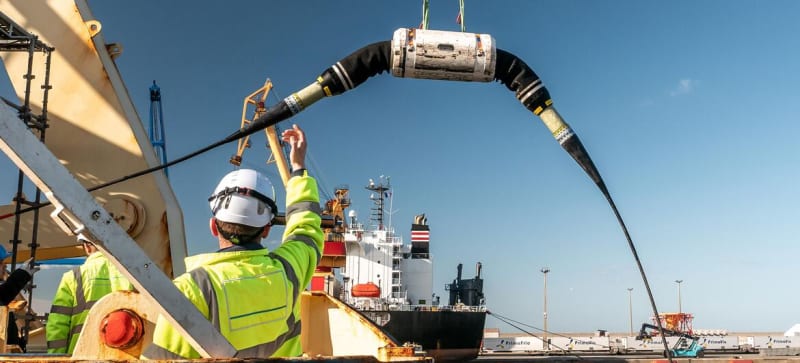
Special ships lay these cables, each roughly the width of a garden hose, by surveying the seabed for safe routes with minimal environmental impact. Then they carefully unroll massive reels of fiber-optic cable onto the ocean floor, creating connections that handle trillions of dollars in daily transactions.
The Bright Side
When something this critical faces challenges, the world comes together to protect it. This week, global leaders gather in Porto, Portugal for the Second International Submarine Cable Resilience Summit to strengthen these vital connections.
The timing matters. Cable incidents happen three to four times weekly, mostly from ship anchors or fishing equipment. When disruptions occurred in the Red Sea in 2024, 25 percent of data traffic between Europe and Asia slowed down. Remote regions like Tonga have faced week-long outages, cutting off healthcare, education, and emergency services.
But here's the inspiring part: engineers can now quickly identify problem areas when cables fail. The real progress is happening in international cooperation, as countries work together on permits, repair protocols, and backup systems to keep everyone connected.
Some cables from the dot-com boom era are reaching their 25-year lifespan, creating opportunities for even better technology. New cables with improved resilience and capacity are being planned and laid, ensuring faster, more reliable connections for the next generation.
As our world grows more connected, thousands of experts are dedicating their careers to keeping these invisible highways running smoothly, one careful repair and one innovative solution at a time.
More Images

Based on reporting by UN News
This story was written by BrightWire based on verified news reports.
Spread the positivity!
Share this good news with someone who needs it

%2Ffile%2Fattachments%2F2997%2FGettyImages-2211967510_856600.jpg)