A 1572 Supernova Launched Modern Science
When Danish astronomer Tycho Brahe spotted a "new star" in 1572, he didn't just witness a supernova—he sparked the scientific revolution that transformed how humanity understands the universe. As AI promises another scientific revolution, this cosmic explosion reminds us how far observation and measurement have brought us.
A bright new light appeared in the night sky on November 11, 1572, and nothing would be the same again.
Danish nobleman Tycho Brahe spotted what he called a "nova stella" while strolling near his observatory that evening. After confirming with servants and passersby that he wasn't imagining things, the eccentric astronomer spent the next two years carefully documenting the stellar explosion in the constellation Cassiopeia.
His observations shattered 2,000 years of scientific belief. Ancient astronomers thought the heavens were unchangeable, with stars fixed like holes pricked in a cosmic fabric. Brahe's measurements proved the new star sat beyond the moon, possibly beyond all planets, meaning the "unchangeable" outer heavens could indeed change.
The discovery made Brahe famous across Europe and helped launch the scientific revolution. His careful documentation showed that precise observation and measurement could overturn ancient assumptions, paving the way for the modern scientific method we use today.
Brahe worked without telescopes, which hadn't been invented yet. He often expressed frustration that his tools couldn't match his ambition for accuracy, yet his patient observations laid groundwork for scientists like Copernicus and Newton who would follow.
Why This Inspires
This story arrives at a perfect moment. Scientists today use AI to discover new particles, decode proteins, understand animal communication, and search the cosmos for hidden phenomena. We're standing at the threshold of another scientific revolution, much like Brahe stood beneath that supernova 454 years ago.
The parallels run deeper than we might expect. Just as Brahe worked within the limitations of his era's technology, today's scientists grapple with AI's growing demands for energy and water, plus the influence of tech corporations controlling AI infrastructure.
But supernova 1572 teaches us something hopeful about scientific progress. Revolutionary discoveries often start with simple observation and the courage to question what everyone assumes is true. Brahe didn't need advanced technology to change the world—he needed curiosity, patience, and careful documentation.
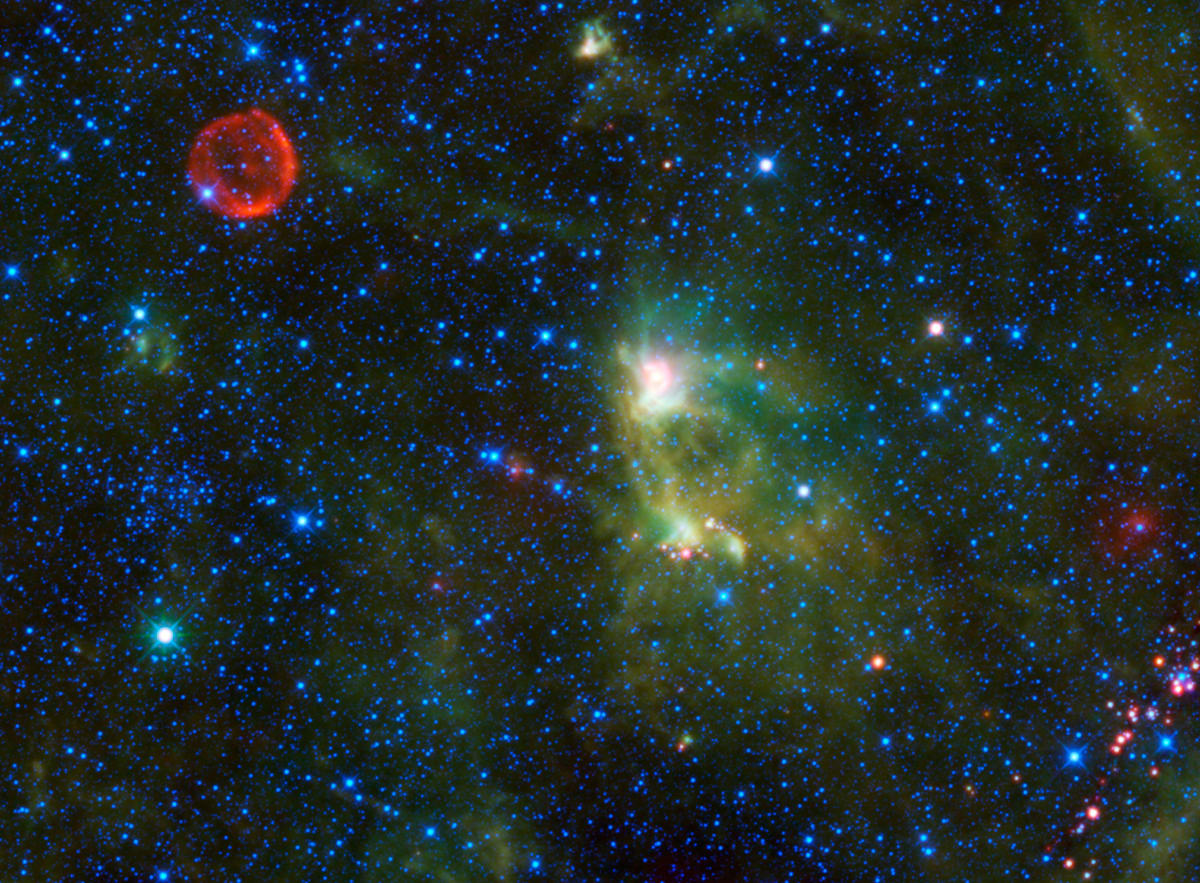
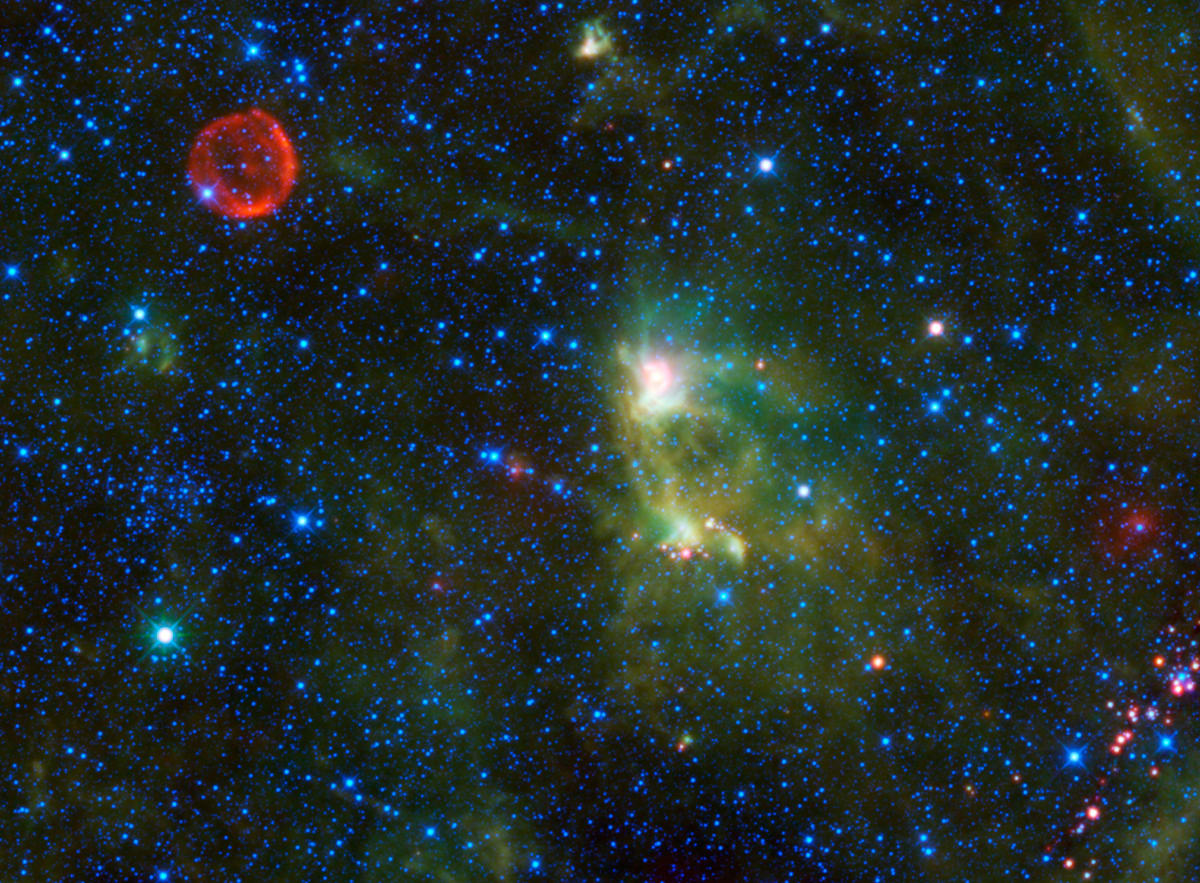
His "new star" wasn't actually new, of course. The supernova remnant still exists today, visible through modern telescopes as an expanding cloud of cosmic debris. NASA images show the explosion's aftermath glowing across multiple wavelengths of light.
As we navigate AI's transformation of science, Brahe's story offers comfort: humanity has weathered scientific revolutions before, and each one has expanded our understanding of the universe and ourselves.
More Images


Based on reporting by Google: scientific discovery
This story was written by BrightWire based on verified news reports.
Spread the positivity!
Share this good news with someone who needs it