A Bottle of River Water Now Counts Every Species on Earth
A five-year-old with a sample kit just changed how we measure wildlife. NatureMetrics has surveyed 10% of Earth's surface using DNA from water samples, making biodiversity tracking finally possible at global scale.
Two scientists visit the same river and somehow come back with completely different wildlife lists. Both are right, but the data can't be compared, which means conservation decisions get made in the dark.
Dimple Patel, CEO of NatureMetrics, decided there had to be a better way. Her solution started with something surprisingly simple: a bottle of water.
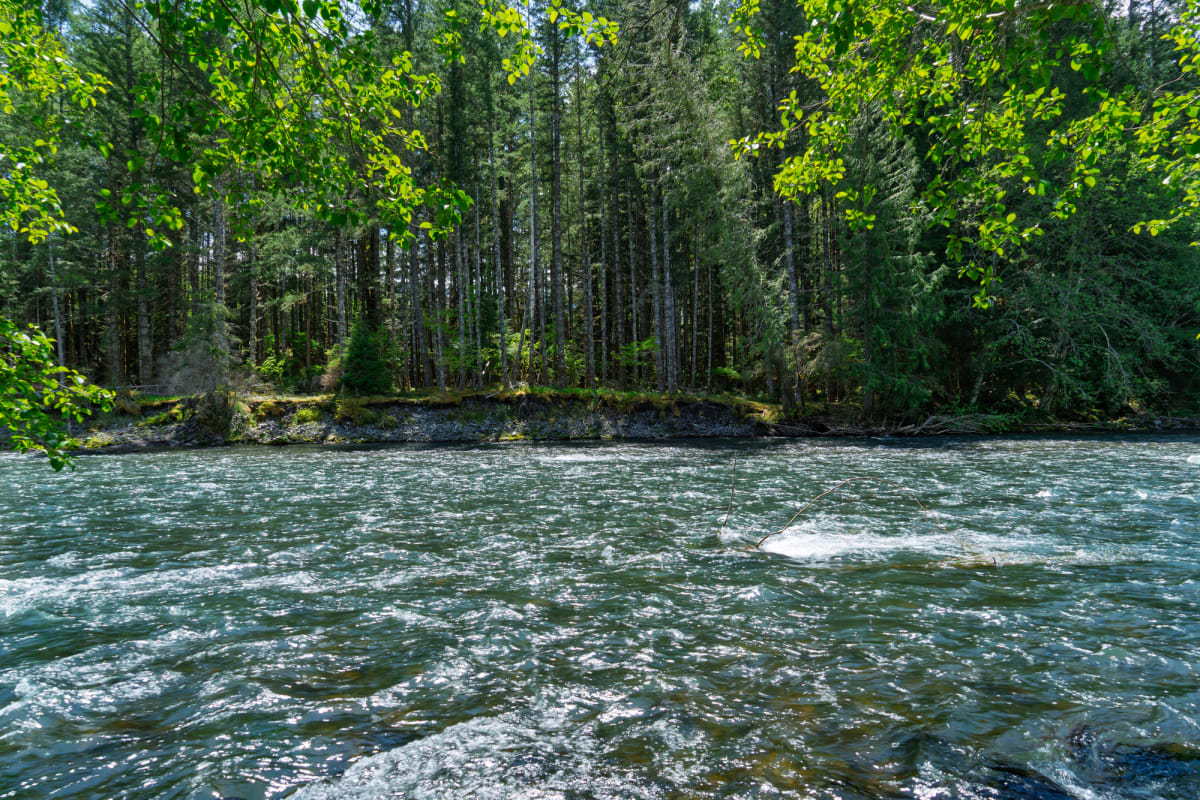
Every living thing near water leaves genetic traces behind. Skin cells, saliva, microscopic fragments linger for days or weeks in rivers and streams. That's environmental DNA, and one liter of river water contains enough to identify every species that recently passed through.
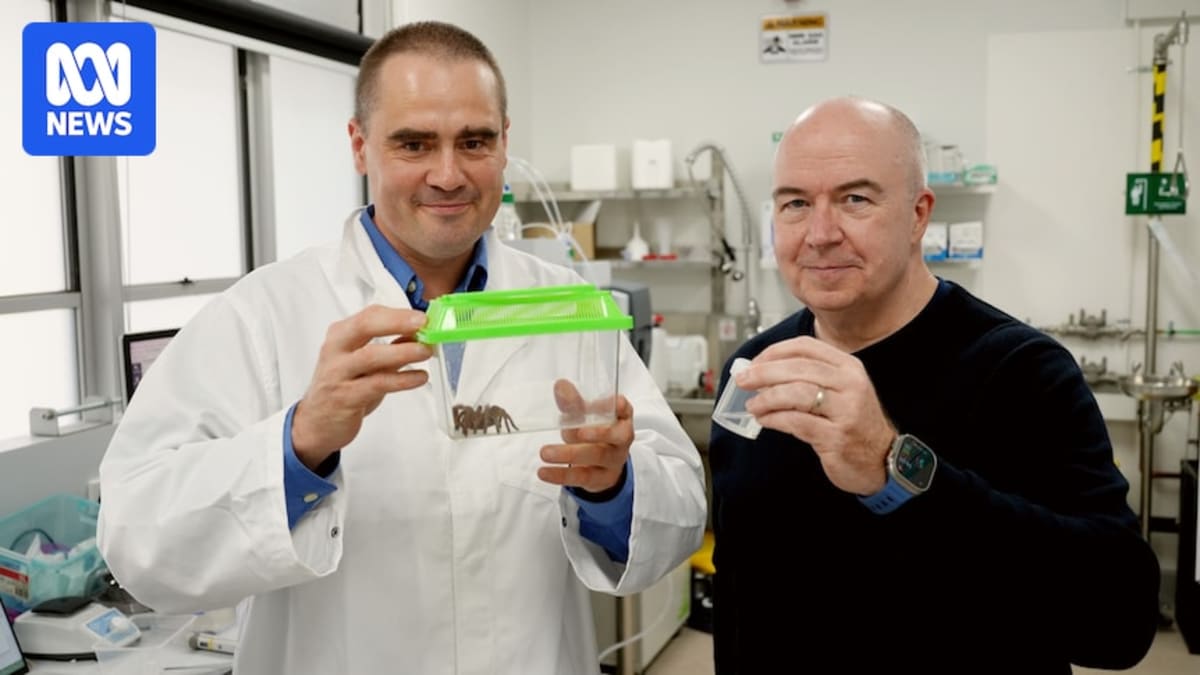
NatureMetrics ships sampling kits anywhere in the world. No specialist training required. When Patel's team wanted to test how simple the process really was, they handed a kit to a five-year-old. She got excellent results.
The filter goes back to a lab where DNA sequencing technology identifies every species in the sample. No trapping, no disturbing the ecosystem. It takes a fraction of the time and cost of traditional wildlife surveys but delivers far more accurate data.
The timing matters more than ever. Freshwater species populations have crashed 84 percent since 1970. More than half of global GDP depends on nature in some form, yet measuring biodiversity at scale in a standardized way wasn't really possible until now.
NatureMetrics has processed samples in 116 countries, working with more than 600 organizations. This year the company hit a milestone: 10 percent of Earth's surface surveyed using eDNA.
The platform maps species detections, tracks changes over time, and shows whether restoration work in degraded areas is actually working. Clients include WWF and conservation groups, but also mining companies, energy producers, and agricultural supply chains trying to understand the bacteria and fungi that make food production possible at all.
The Ripple Effect
Being named an Earthshot Prize finalist gave NatureMetrics something crucial: third-party validation that opens boardroom doors. Patel wants biodiversity to move out of field science notebooks and into corporate balance sheets, showing up on the same documents where companies account for assets and liabilities.
The data to make that possible already exists. The harder challenge is convincing the people who run large companies to treat nature's health as something worth measuring alongside quarterly earnings.
Consumer goods companies are already using the technology to understand soil health at a biological level. The question they're asking: how do we nurture soil that will continue feeding us for the next 50 years?
Nature is finally getting a seat at the table where real decisions get made.
Based on reporting by Optimist Daily
This story was written by BrightWire based on verified news reports.
Spread the positivity!
Share this good news with someone who needs it