Spider Venom Could Save Australia's $4.6B Bee Industry
Australian scientists are developing two breakthrough treatments to save honey bees from deadly varroa mites using spider venom and gene-disrupting technology. The innovations could protect the $4.6 billion worth of crops that rely on bee pollination.
Scientists in Queensland are turning to an unlikely hero to save Australia's honey bees: spiders.
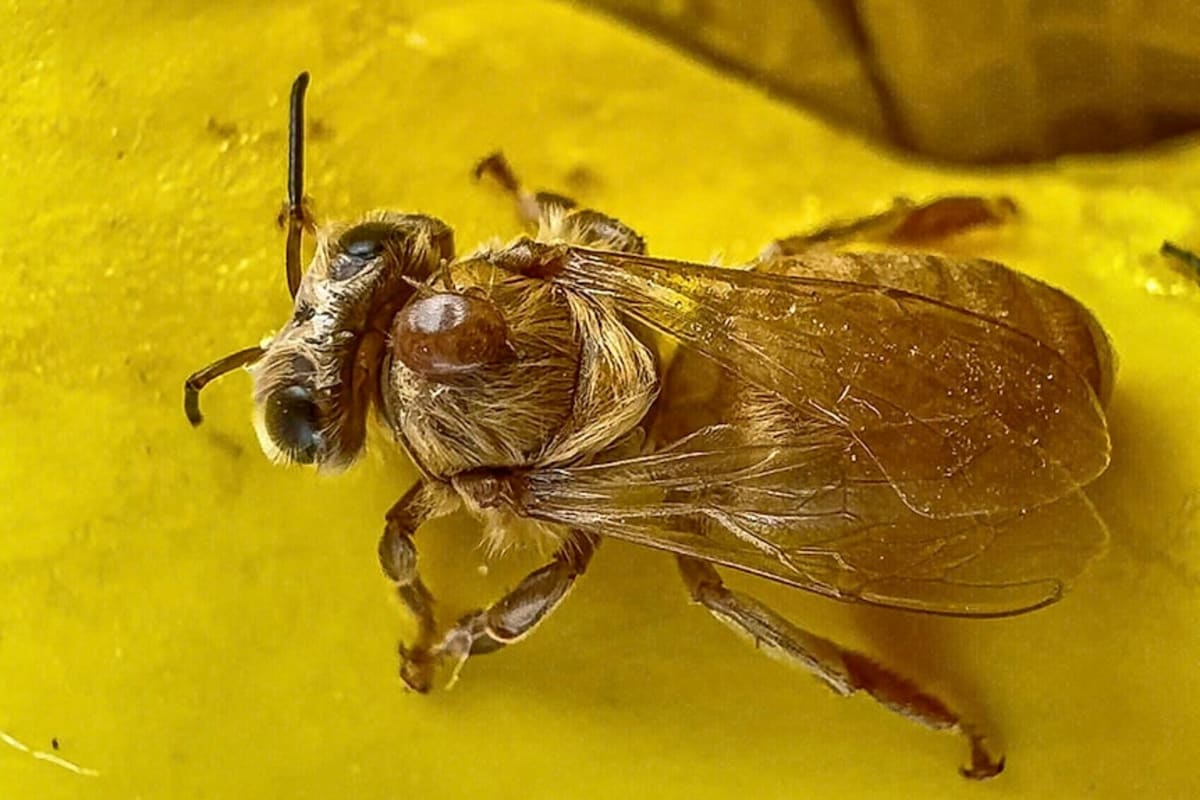
Since varroa destructor mites were first detected in New South Wales in 2022, they've spread to five states and wreaked havoc on bee colonies. These parasitic mites latch onto bees and have already pushed many beekeepers to the brink of closure.
The stakes couldn't be higher. More than 30 percent of Australia's food production depends on bee pollination, representing $4.6 billion in crops annually. The country's $237.5 million honey market is also at risk.
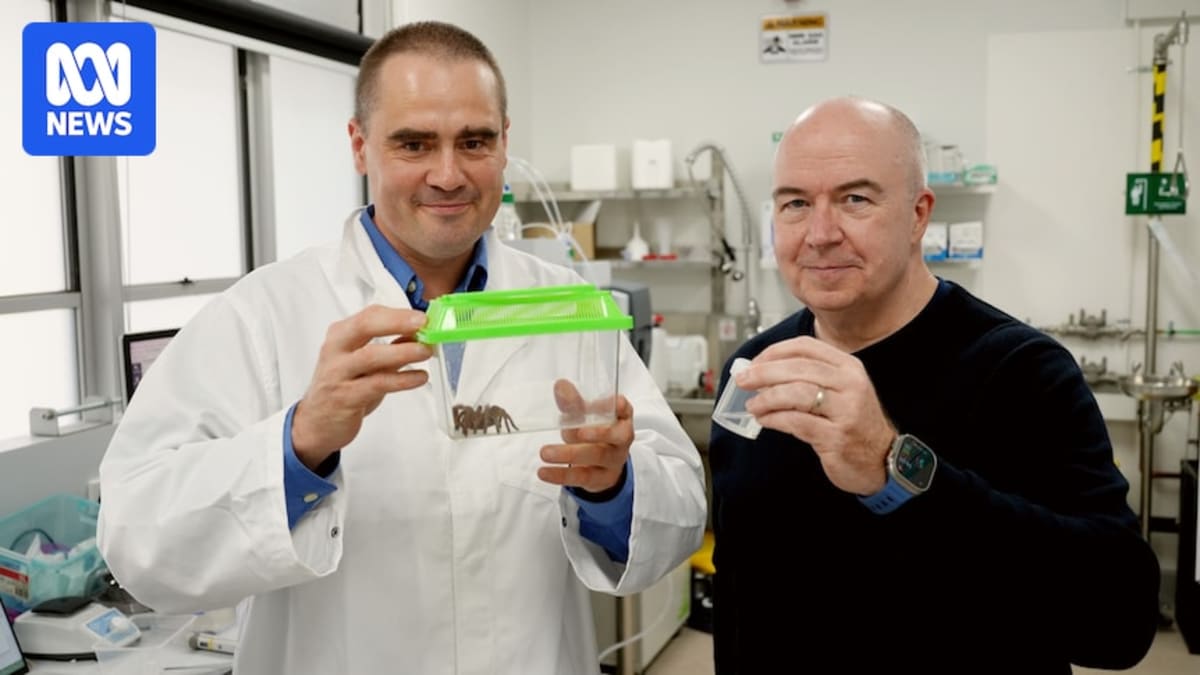
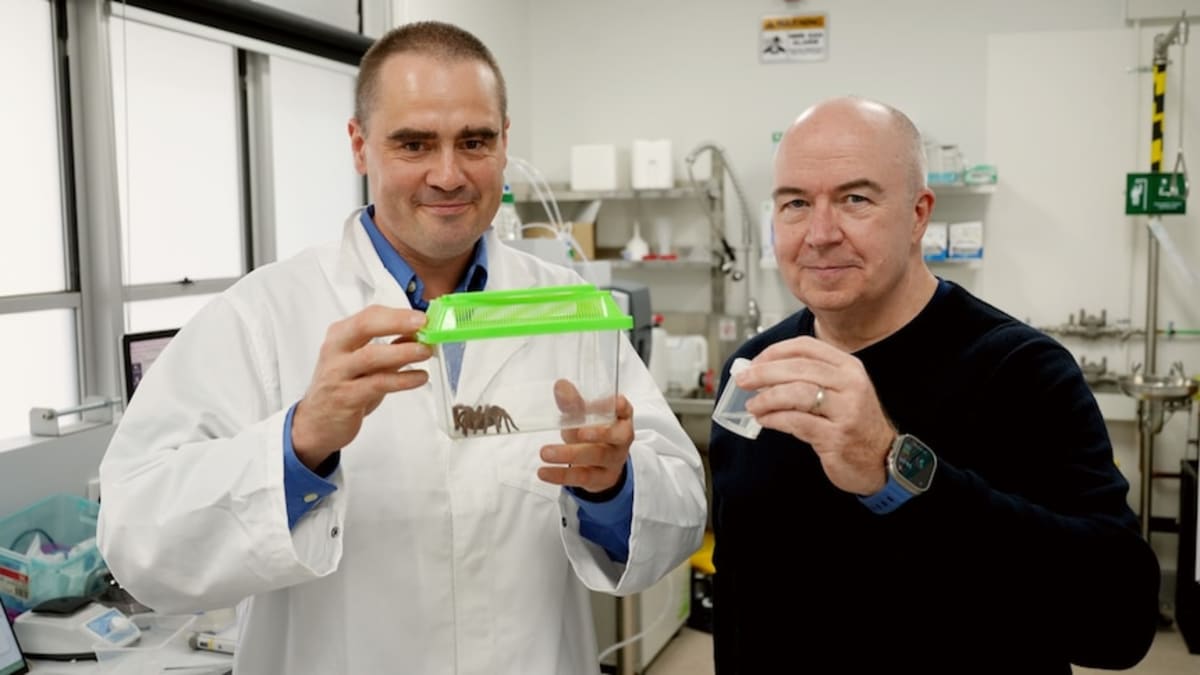
Enter Associate Professor Volker Herzig from the University of the Sunshine Coast, whose lab houses the world's largest arachnid venom collection with samples from over 870 spider species. His team discovered something remarkable: spider venom naturally targets mites because both creatures are arachnids that prey on each other.
"We identified these two venoms that had really good activity against the varroa mite," Herzig explained. The spider venom peptides could be developed into a sprayable treatment that kills mites while keeping bees completely safe.
What makes this approach special is its precision. The venom doesn't accumulate in the food chain or harm other organisms like farmers, beekeepers, or pets. It's selective to varroa mites only.
Meanwhile, Professor Rob Harvey at the same university is developing a second weapon using RNA interference technology. This method uses the mite's own genes against itself, silencing essential genes that control brain or muscle function.
Unlike existing products in the US that work like birth control for mites, Harvey's goal is more direct. "They stop the varroa mites from reproducing, but they don't outright kill the mites. That's my aim," he said.
His team is heading to Switzerland's Bee Research Centre this month for testing. If successful, a commercial product could be available as soon as the end of July.
The Ripple Effect
The Queensland government is investing $100,000 in both research projects, recognizing that saving bees means protecting Australia's entire agricultural ecosystem. When bees thrive, so do orchards, vegetable farms, and countless native plants that depend on pollination.
These treatments also offer hope beyond Australia. Varroa mites threaten bee populations worldwide, and many have developed resistance to existing chemical treatments. Safe, targeted solutions could help beekeepers across the globe.
Both approaches represent a shift toward smarter pest control that works with nature rather than against it. Instead of broad chemical weapons that harm beneficial insects, these treatments strike with surgical precision.
Queensland Primary Industries Minister Tony Perrett emphasized the urgency: "We're doing everything that we can to make certain that the research links in with what we do as a department and our engagement with the industry."
Two different approaches, one common goal: ensuring Australia's bees can get back to the essential work of keeping the nation fed.
More Images


Based on reporting by ABC Australia
This story was written by BrightWire based on verified news reports.
Spread the positivity!
Share this good news with someone who needs it