Abandoned Farm Field Blooms With Thousands of Orchids
Scientists left a Norfolk farm field alone for 11 years and watched it transform into a wildflower paradise with thousands of orchids appearing naturally. The discovery suggests nature might restore itself better and cheaper than human intervention.
When Carl Sayer stopped farming a soggy field in North Norfolk, he ignored all the expert advice to buy expensive seed packets. Instead, he did something radical: absolutely nothing.
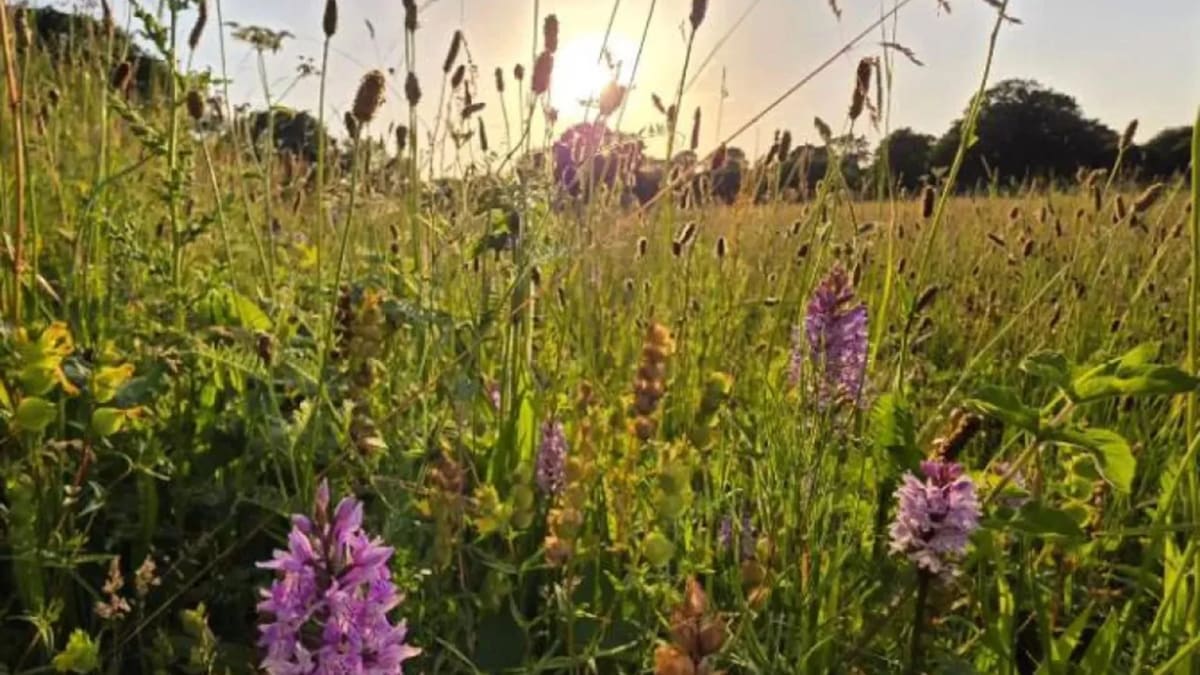
Eleven years later, thousands of orchids carpet the meadow where crops once grew. Plant diversity doubled without a single commercial seed being planted.
The transformation started after the field's final harvest in 2005. Sayer's team at University College London monitored the two-hectare plot from 2011 to 2022, visiting every few years to count and record every plant species.
In 2011, each survey plot contained about 10 different plant species. By 2022, that number had nearly doubled to 20 species per plot.
Southern marsh orchids appeared first, delighting the research team. Then came greater tussock-sedge, yellow rattle, and common centaury. All arrived on their own, likely carried by deer and other wildlife passing through.
The only human touch was a traditional annual hay cut. Everything else happened naturally as the soil recovered and native plants reclaimed their territory.
The findings challenge the common assumption that restoring meadows requires buying commercial seed mixes. These pre-packaged solutions are expensive and often introduce generic plants that lack the genetic diversity of local species.
"When the first orchids started appearing in our surveys, we were thrilled," Sayer said. "A visit to the meadow is like stepping back through time."
The Ripple Effect
This simple approach could reshape how governments across the UK and Europe tackle biodiversity restoration. With pressure mounting to restore nature quickly across massive areas of former farmland, patience might prove more powerful than seed packets.
Species-rich grasslands provide crucial habitat for pollinators, birds, and mammals. They strengthen ecosystem resilience and help landscapes adapt to climate change.
The cost difference matters too. Commercial seed mixes and intensive restoration efforts drain budgets that could protect more land instead. Natural recovery requires time and a hay cutter, not expensive interventions.
Local plants adapted to Norfolk's conditions over generations now thrive in Sayer's meadow. They carry genetic diversity that commercial seeds can't match, making the ecosystem more resilient and less generic.
The research arrives as biodiversity loss accelerates worldwide. Sayer's meadow proves that sometimes the best action is strategic inaction, letting nature's brilliant spontaneity take the lead.
Thousands of orchids now delight villagers in Bodham each blooming season, a living reminder that damaged land can heal itself when given the chance.
Based on reporting by Science Daily
This story was written by BrightWire based on verified news reports.
Spread the positivity!
Share this good news with someone who needs it