UK Supermarket's 2,800-Acre Farm Restores Soil Health
Waitrose operates the UK's only supermarket-owned farm, using 2,800 acres to prove regenerative agriculture works at scale. Their approach restores soil health underground while bees, wildlife, and fresh food thrive above. #
A British supermarket is proving that feeding people and healing the planet can happen on the same land.
Waitrose runs the only farm owned by a UK supermarket chain. Their 2,800-acre Leckford Estate isn't just growing crops. It's demonstrating how regenerative agriculture can work at massive scale while supplying food to everyday shoppers.
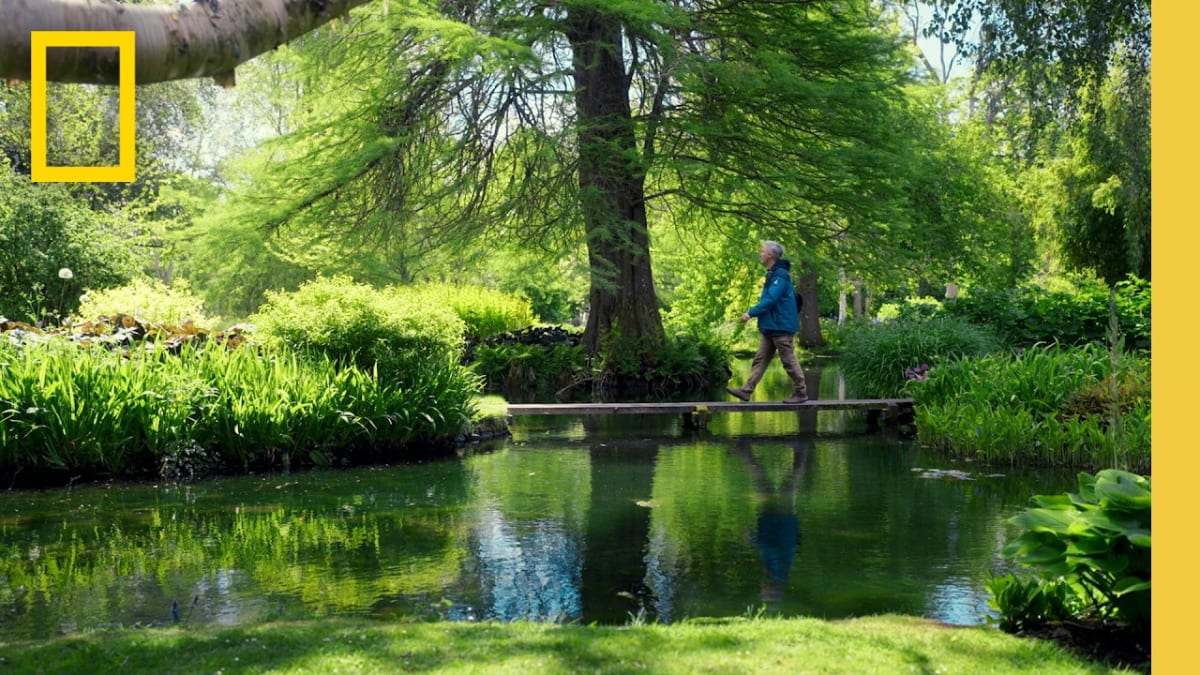
National Geographic photographer Matthieu Paley, who grows his own food naturally in Portugal, recently visited the estate to see the results firsthand. What he found was farming that builds soil health from the ground up instead of depleting it season after season.
The difference starts below the surface. Healthy soil creates a foundation where everything else thrives. At Leckford, that means 54 beehives buzzing across the property and biodiversity returning to land that feeds thousands of families.
Regenerative practices flip conventional farming on its head. Instead of relying heavily on chemicals that can damage soil over time, these methods work with natural systems. Plants, insects, soil microbes, and animals all play a role in creating food that's better for people and the environment.
The impact reaches real kitchens. Elaine, an Oxfordshire artist who finds inspiration in nature for her landscape paintings, is among the customers whose plates benefit directly from soil restored to health. The connection between underground microbes and a family's dinner table has never been clearer.
The Ripple Effect
What happens on one 2,800-acre farm matters far beyond its borders. Waitrose is using Leckford as a living classroom, showing other farmers and food companies that regenerative agriculture isn't just possible at scale. It's profitable and practical.
When a major supermarket chain puts its resources behind soil health, the message spreads through the entire food system. Suppliers notice. Competitors pay attention. Shoppers start asking questions about where their food comes from and how it's grown.
The estate proves that rebuilding living systems doesn't require choosing between feeding people and protecting nature. Both goals support each other when farmers work with the land instead of against it. Healthier soil means more resilient crops, which means more reliable food supplies for communities.
From backyard gardens to commercial farms spanning thousands of acres, the lesson is the same. Food doesn't just come from soil. It depends on keeping that soil alive, diverse, and thriving for generations to come.
#
Based on reporting by National Geographic
This story was written by BrightWire based on verified news reports.
Spread the positivity!
Share this good news with someone who needs it