Activist Ends 26-Day Hunger Strike After India Talks
Education reformer Sonam Wangchuk ended his nearly month-long hunger strike after government negotiations, offering hope amid ongoing protests over exam corruption that affected 2 million students. While youth-led demonstrations continue, talks between activists and officials mark a significant step toward addressing systemic education reform.
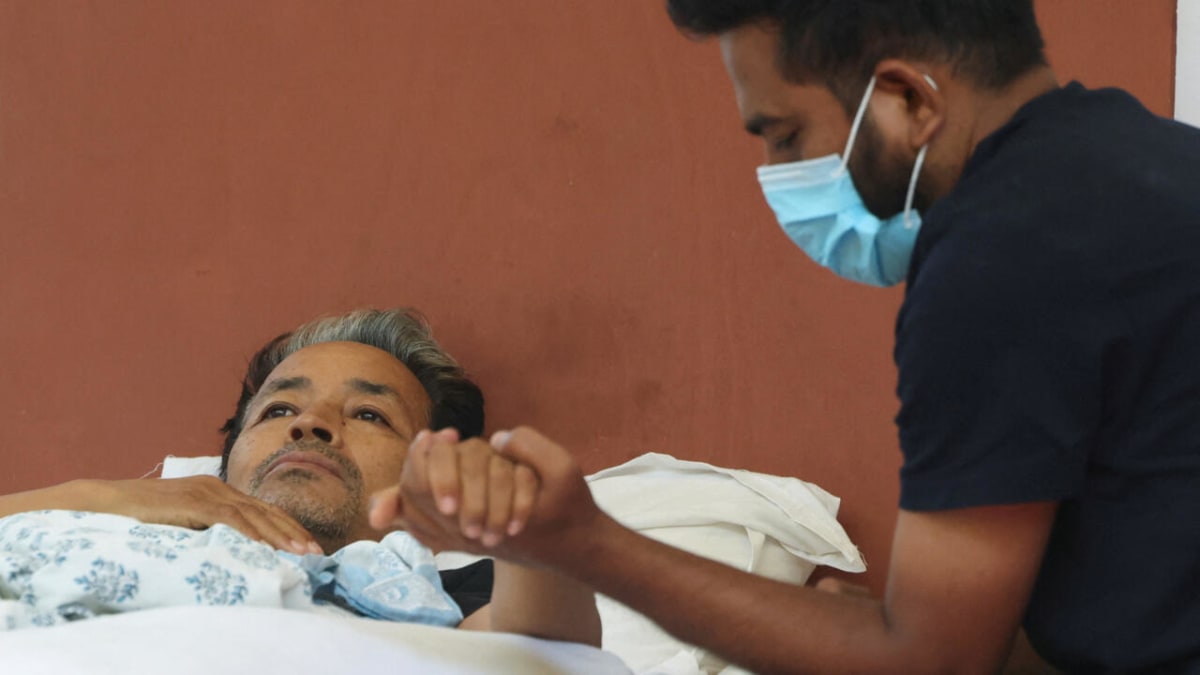
After 26 days without food, Indian education activist Sonam Wangchuk broke his hunger strike Friday following direct talks with government ministers, signaling a potential breakthrough in a crisis that has mobilized millions of young people across the country.
Wangchuk, 59, began his fast to protest leaked medical school entrance exam papers that enabled widespread cheating in May, affecting roughly 2 million students. The scandal has been linked to several student suicides and sparked the largest youth movement in India since Prime Minister Narendra Modi took office in 2014.
The activist ended his strike after what he described as "long negotiations on various conditions" with two federal ministers. Scores of parliament members urged him to break his fast, recognizing both the personal toll and the potential for escalating violence across the nation.
Prime Minister Modi personally reached out to Wangchuk after the fast ended, urging the activist to follow doctors' advice and regain the weight he lost. This direct engagement from India's highest office shows how seriously the government is now taking youth concerns about education integrity.
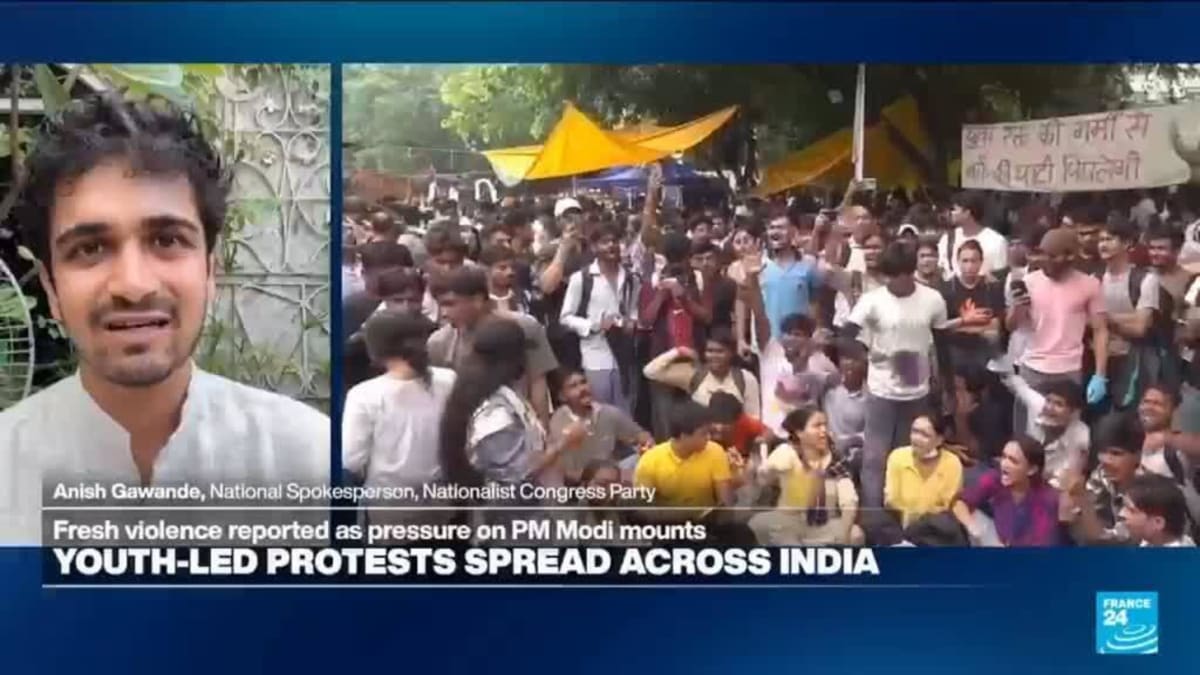
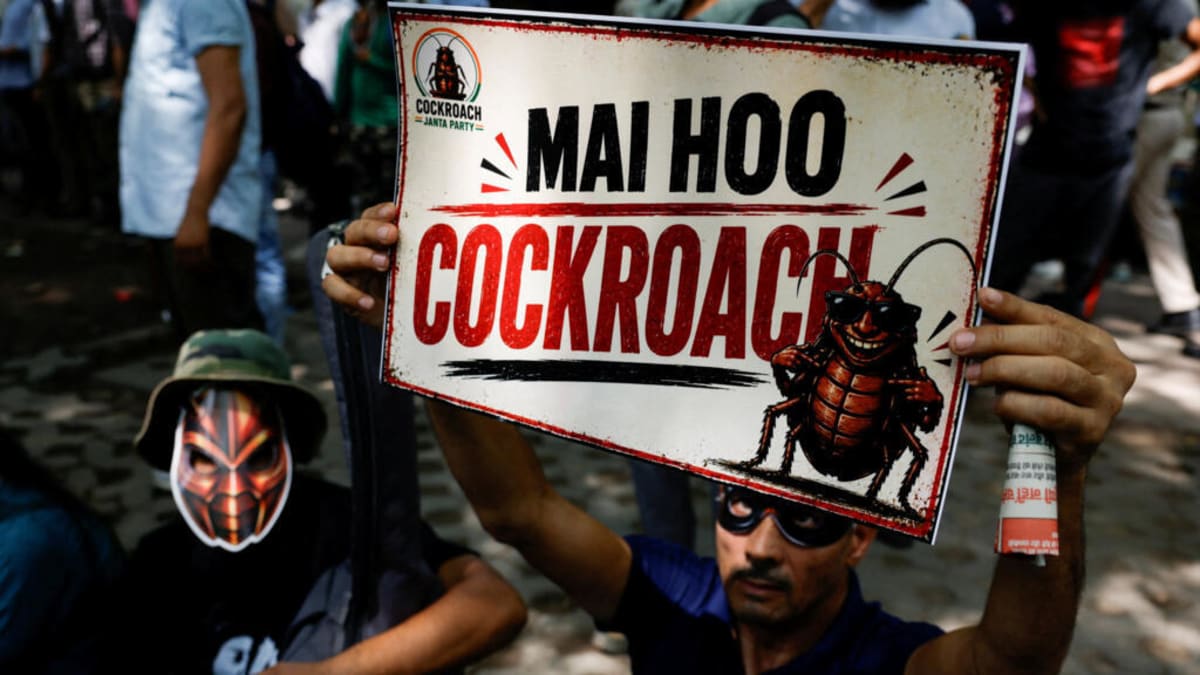
The youth movement, led by the self-named Cockroach Janta Party, plans to continue peaceful demonstrations until Education Minister Dharmendra Pradhan resigns. Founder Abhijeet Dipke thanked Wangchuk for his "courage and sacrifice" and vowed that protesters wouldn't let his efforts go to waste.
Why This Inspires
What makes this moment powerful isn't just one man's sacrifice. It's how young people across India have found their voice and refused to accept corruption that threatens their futures.
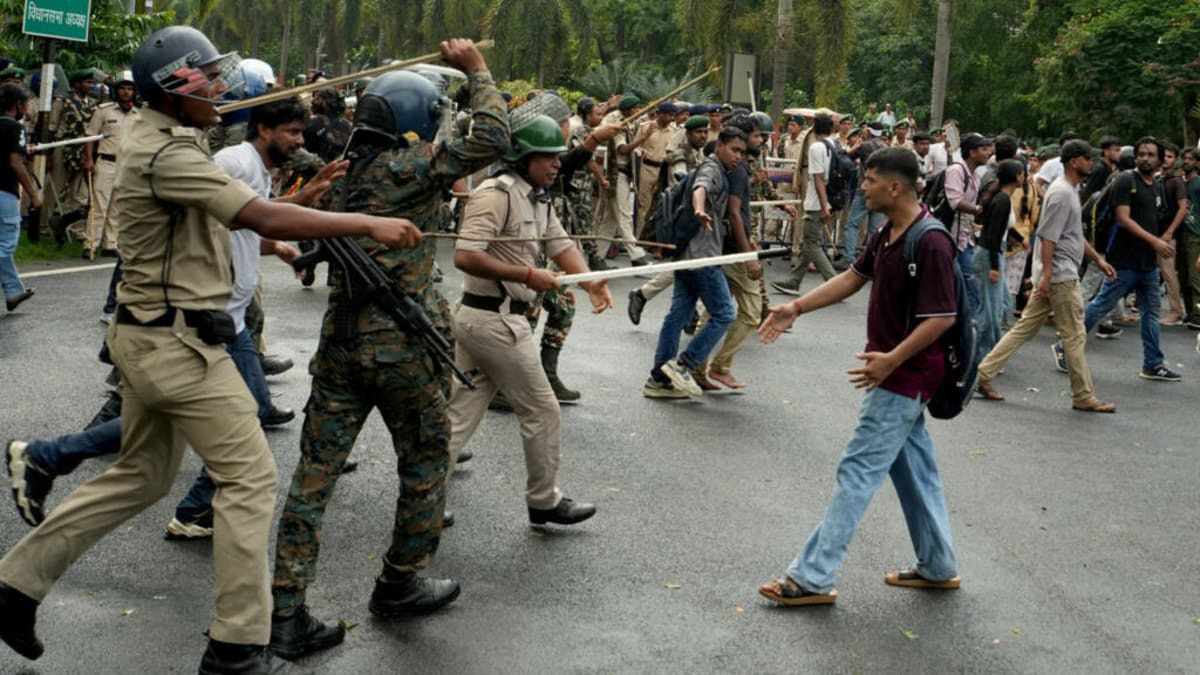
The protests have spread from Delhi to cities including Ranchi, Pune, Thiruvananthapuram, and Kolkata. Students are demanding not just accountability for past failures but systemic reforms to prevent future exam leaks.
Modi responded Thursday by proposing special courts to prosecute those behind exam paper leaks, his first public response to the crisis. While protesters say this addresses only part of the problem, it represents movement from a government that initially remained silent.
The conversation has shifted from whether change is needed to how quickly it can happen. Opposition parties have echoed the youth movement's demands and disrupted parliament sessions to keep pressure on the government.
Wangchuk promised to share details of his negotiations in an upcoming video, giving hope that concrete commitments were made during those ministerial talks. The fact that talks happened at all shows how effective peaceful protest and sacrifice can be in capturing national attention.
This generation of Indian students has shown they won't quietly accept a broken system, and their government is finally listening.
More Images
Based on reporting by France 24 English
This story was written by BrightWire based on verified news reports.
Spread the positivity!
Share this good news with someone who needs it