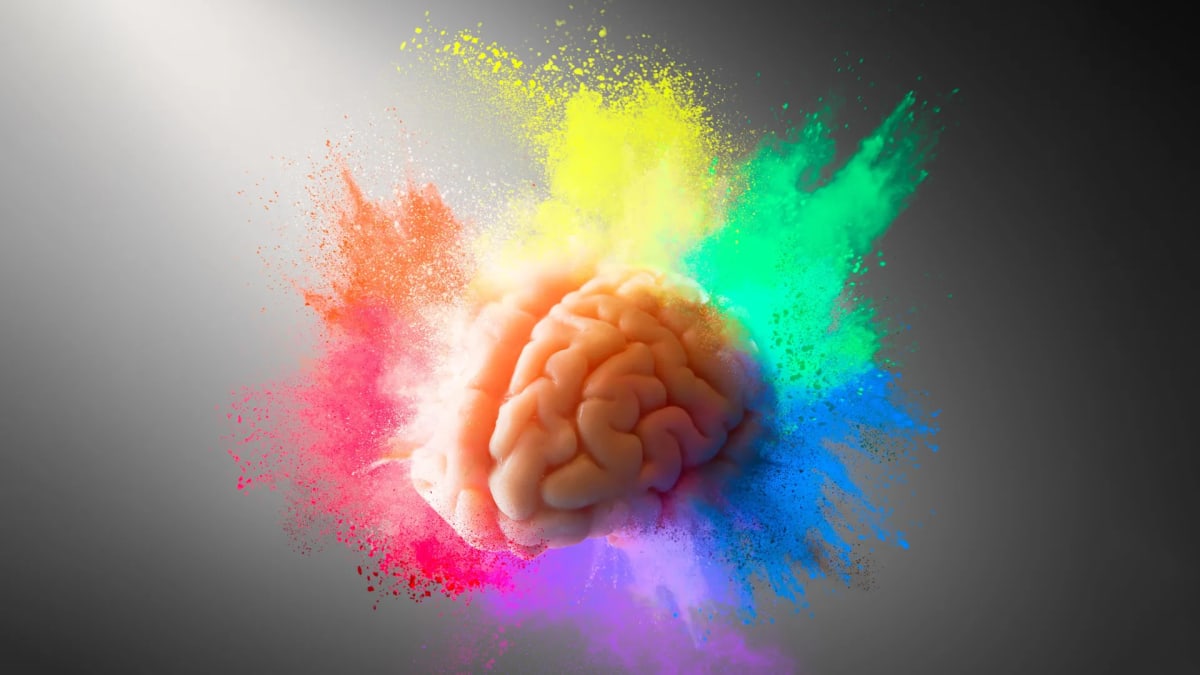
ADHD's Wider Spotlight May Boost Creative Thinking
Scientists discover the same scattered attention that makes ADHD challenging could also fuel creativity by helping brains explore unexpected connections. Creative activities like art and music might one day help manage ADHD symptoms naturally.
The wandering mind that makes ADHD difficult might also be sparking creative breakthroughs, according to new research that could change how we understand attention differences.
Dr. Radwa Khalil, a neuroscientist at Constructor University, studied the surprising overlap between ADHD and creativity. Her team found that some of the same brain patterns causing distractibility may also help people form unexpected connections and explore new ideas.
The research, published in iScience, challenges the idea that ADHD is purely a deficit. While nearly 8% of children worldwide struggle with focus and impulse control from ADHD, many successful artists and innovators including Justin Timberlake and Simone Biles share these same traits.
Dr. Khalil explains the difference using a simple image. "Think of attention like a spotlight. Most people can focus their beam on one thing. ADHD brains have a wider spotlight, taking in more information at once."
That wider spotlight creates real challenges during tasks requiring intense concentration. But the same broader view encourages exploratory thinking and makes it easier to combine ideas in novel ways.
The researchers call this "defocused attention," and they believe it works like free association. The brain jumps between thoughts in ways that can seem scattered but may actually fuel creative insights.
Why This Inspires
This discovery opens doors for managing ADHD through creativity rather than just treating symptoms. Activities like painting, dancing, writing, or playing music could give people with ADHD structured ways to explore their natural thinking style.
Even better, engaging in creative work might strengthen the brain's attention control networks. When a child with ADHD gets "lost in the moment" while creating art or music, they're actually exercising the same neural circuits involved in focus.
Dr. Khalil sees creative expression as more than a pleasant distraction. "It's engaging the same neural circuits involved in attention control, essentially providing a workout for the brain," she said.
The team emphasizes that scientists still don't fully understand how creativity and attention connect. They're calling for more interdisciplinary research bringing together neuroscientists, art therapists, and clinicians to study how creative approaches might complement existing ADHD treatments.
What seemed like purely a challenge might actually include a hidden strength waiting to be channeled.
Based on reporting by Science Daily
This story was written by BrightWire based on verified news reports.
Spread the positivity!
Share this good news with someone who needs it