Afghan and Iranian Women Debut Bold Films at Berlinale
Two female filmmakers from Afghanistan and Iran premiered groundbreaking films at the Berlin International Film Festival, using cinema to reclaim their stories and challenge stereotypes. Despite facing criticism and exile, they're showing the world that their cultures contain more than just war and oppression.
Two women are rewriting the narrative about life in Afghanistan and Iran, one frame at a time.
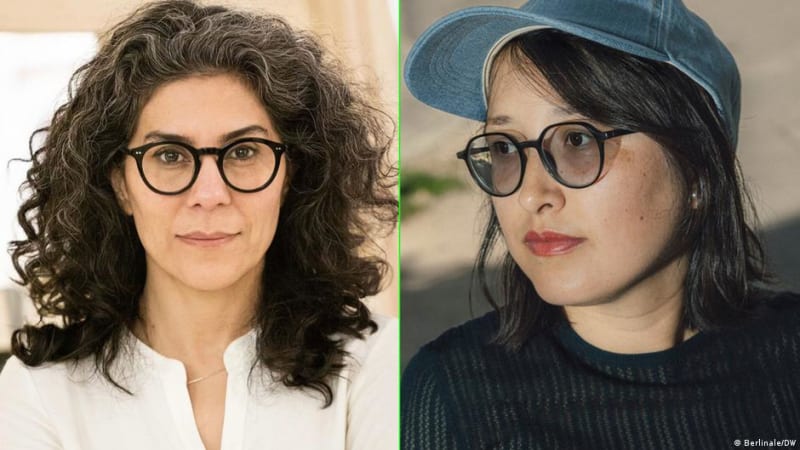
At this year's Berlin International Film Festival, Afghan director Shahrbanoo Sadat and Iranian filmmaker Mahnaz Mohammadi premiered powerful new works that draw from their lived experiences under authoritarian rule. Their films couldn't be more different in tone, but both prove that women's voices from these regions deserve to be heard on their own terms.
Sadat's "No Good Men" made history as Afghanistan's first romantic comedy. The film follows Naru, a single mother and camerawoman in Kabul, as she navigates dating, work, and friendship just before the Taliban's 2021 takeover.
In one memorable scene, Naru and her friends joke around with a dildo brought back from America. It's the kind of lighthearted moment rarely associated with Afghanistan in Western media.
"I was frustrated that Afghanistan was almost always portrayed through the lens of war drama," Sadat explained at the festival. She wanted to show the humor and lightness that existed in ordinary Afghan lives, even within a patriarchal system.
Some criticized her choice of genre as inappropriate given Afghanistan's suffering. But Sadat saw this reaction as another form of dehumanization, refusing to let Afghans be depicted as complex human beings with full emotional lives.
Why This Inspires
These filmmakers are doing more than making movies. They're reclaiming their right to tell their own stories without outside filters or expectations.
Sadat grew frustrated watching international NGOs exploit "women's rights" as a profitable industry during Afghanistan's democratic period, while little changed for actual women. By creating her own narratives through personal storytelling, she's taking back control of how Afghan women are represented.
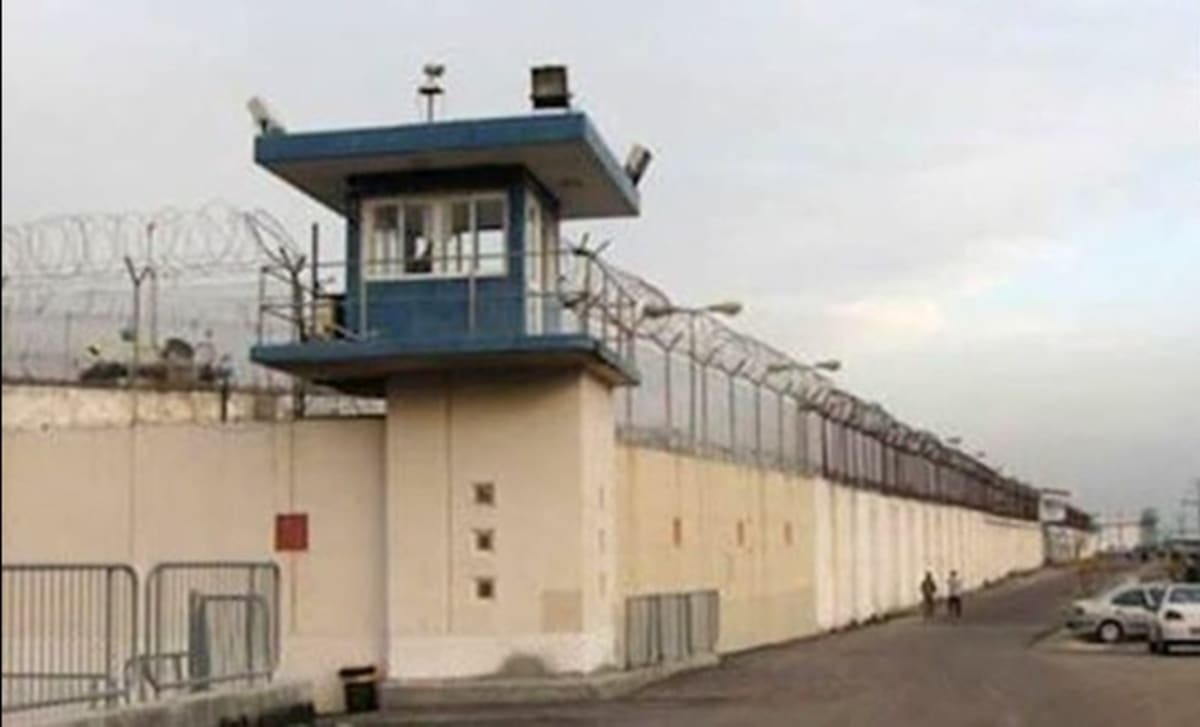
Meanwhile, Mohammadi's psychological drama "Roya" depicts life inside Iran's notorious Evin prison through the eyes of a political prisoner facing torture. The film shows how silence becomes the final form of resistance when everything else is taken away.
Both directors understand that authentic representation matters. They're not waiting for permission from festivals, funders, or critics who think they know what stories should come from their countries.
Their presence at one of the world's most prestigious film festivals sends a clear message: Women from Afghanistan and Iran have stories worth celebrating, stories that contain the full spectrum of human experience.
These two filmmakers are proving that courage looks like making art even when the world tells you to stay quiet.
Based on reporting by DW News
This story was written by BrightWire based on verified news reports.
Spread the positivity!
Share this good news with someone who needs it