Africa CDC Opens First Medical Warehouse for Emergencies
A new strategic partnership between two major African health organizations is strengthening the continent's ability to respond to health crises. The collaboration includes Africa's first dedicated medical supplies warehouse for emergencies.
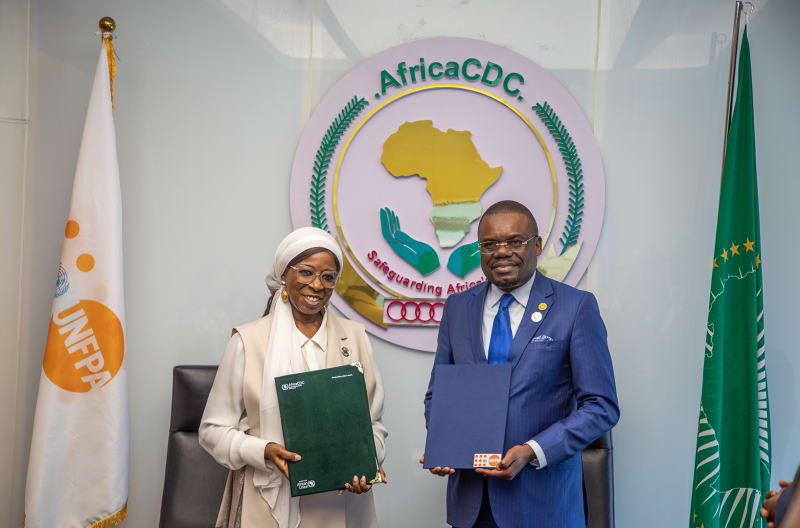
Two major health organizations are joining forces to improve healthcare access across Africa. The United Nations Population Fund (UNFPA) and Africa Centres for Disease Control and Prevention (Africa CDC) announced a strategic partnership focused on advancing health systems and innovation continent-wide.
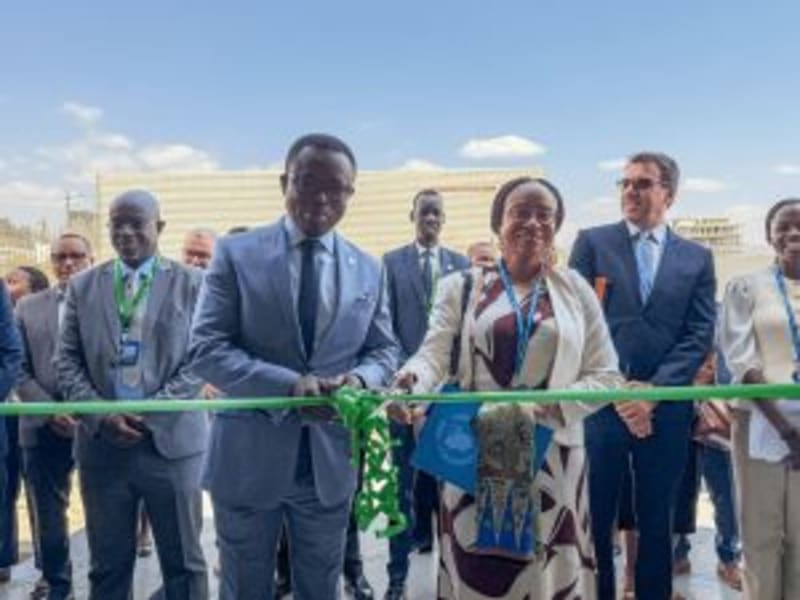
The partnership's first major milestone is already making headlines. Africa CDC opened its first dedicated medical supplies warehouse designed specifically for public health emergency response.
The new facility addresses a critical gap in Africa's health infrastructure. During emergencies like disease outbreaks or natural disasters, rapid access to medical supplies can mean the difference between containing a crisis and watching it spread.
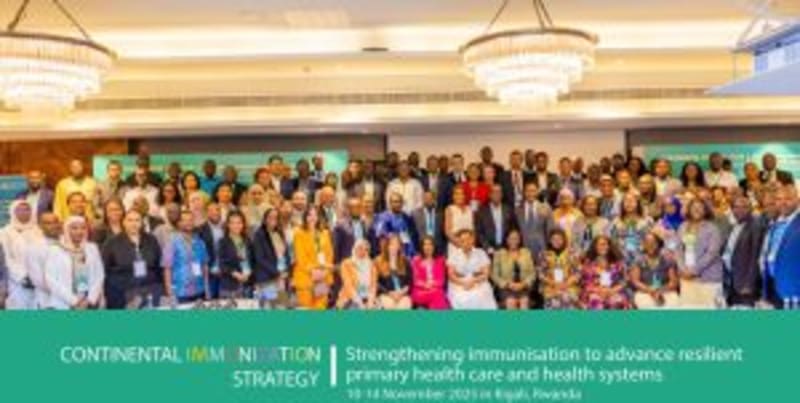
Beyond emergency response, the partnership encompasses broader health initiatives. The organizations are working together on a Continental Immunization Strategy that aims to strengthen vaccine access and delivery across African nations.
The collaboration also includes developing the African Union Health Workforce Task Team. This initiative recognizes that equipment and supplies only work when healthcare workers have the training and support they need.
The Ripple Effect
This partnership represents a shift toward African-led health solutions. Rather than relying solely on international aid during crises, the continent is building its own emergency response infrastructure.
The medical warehouse means faster response times when outbreaks occur. Supplies that once took weeks to arrive from overseas can now be deployed in days or even hours to affected regions.
Strengthened immunization strategies could protect millions of children and adults from preventable diseases. Better-supported health workers means improved care in communities that have historically struggled with medical staff shortages.
The partnership model itself could inspire similar collaborations across other sectors. When major organizations pool resources and expertise, they can tackle challenges no single entity could solve alone.
Africa's population of 1.4 billion people stands to benefit from more resilient health systems that can weather both everyday challenges and extraordinary crises.
More Images
Based on reporting by Google News - Africa Innovation
This story was written by BrightWire based on verified news reports.
Spread the positivity!
Share this good news with someone who needs it