Africa Gets $900M to Make Clean Cooking Stoves Affordable
Carbon credit financing is helping millions of low-income African families switch from smoky open fires to clean cookstoves. With $900 million in new funding, companies are making devices affordable that cut air pollution and save forests.
Millions of African families are finally getting access to clean cookstoves, thanks to a creative financing approach that makes them affordable for the first time.
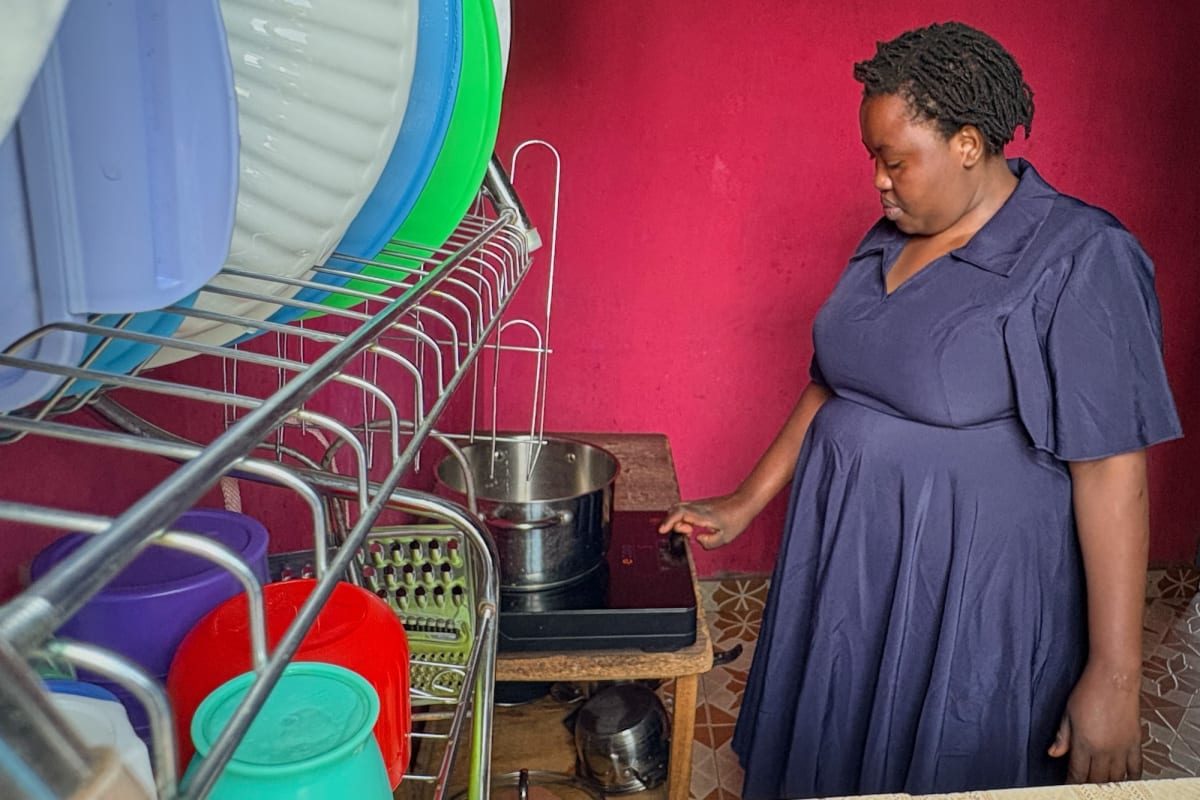
Carbon credit financing is driving a massive shift across the continent. Companies like Kenya's BURN are using these credits to subsidize electric and efficient biomass cookstoves, bringing the price down for families who cook over charcoal stoves and open fires.
The impact reaches far beyond the kitchen. When families switch to clean stoves, they breathe healthier air in their homes, spend less money on fuel, and help reduce deforestation. Household air pollution from traditional cooking methods has been a major health crisis, particularly affecting women and children who spend the most time near cooking fires.
The momentum is building fast. Governments are introducing supportive policies, and $900 million in fresh financing commitments just arrived to expand the programs. This funding makes it possible for companies to produce stoves at scale and get them into homes that need them most.
Kenya leads the way in showing how the model works. BURN manufactures stoves locally and uses carbon credit revenue to bridge the gap between production costs and what families can afford to pay. Each stove that replaces an open fire generates carbon credits because it reduces emissions, and those credits can be sold to companies wanting to offset their carbon footprint.
The Ripple Effect
The clean cooking transition touches multiple challenges at once. Families save money they previously spent on charcoal or firewood. Women and girls spend less time collecting fuel and face fewer health risks from smoke inhalation. Forests face less pressure from wood harvesting. Local jobs are created in stove manufacturing and distribution.
The approach depends on continued demand for high-integrity carbon credits. As long as companies value these credits and pay fair prices, the financing model can sustain itself and reach more families. Quality standards matter because they ensure the stoves actually deliver the promised environmental and health benefits.
Clean cooking access has been one of Africa's most persistent development challenges, but this market-based solution is finally making real progress possible for millions of households.
More Images



Based on reporting by Mongabay
This story was written by BrightWire based on verified news reports.
Spread the positivity!
Share this good news with someone who needs it