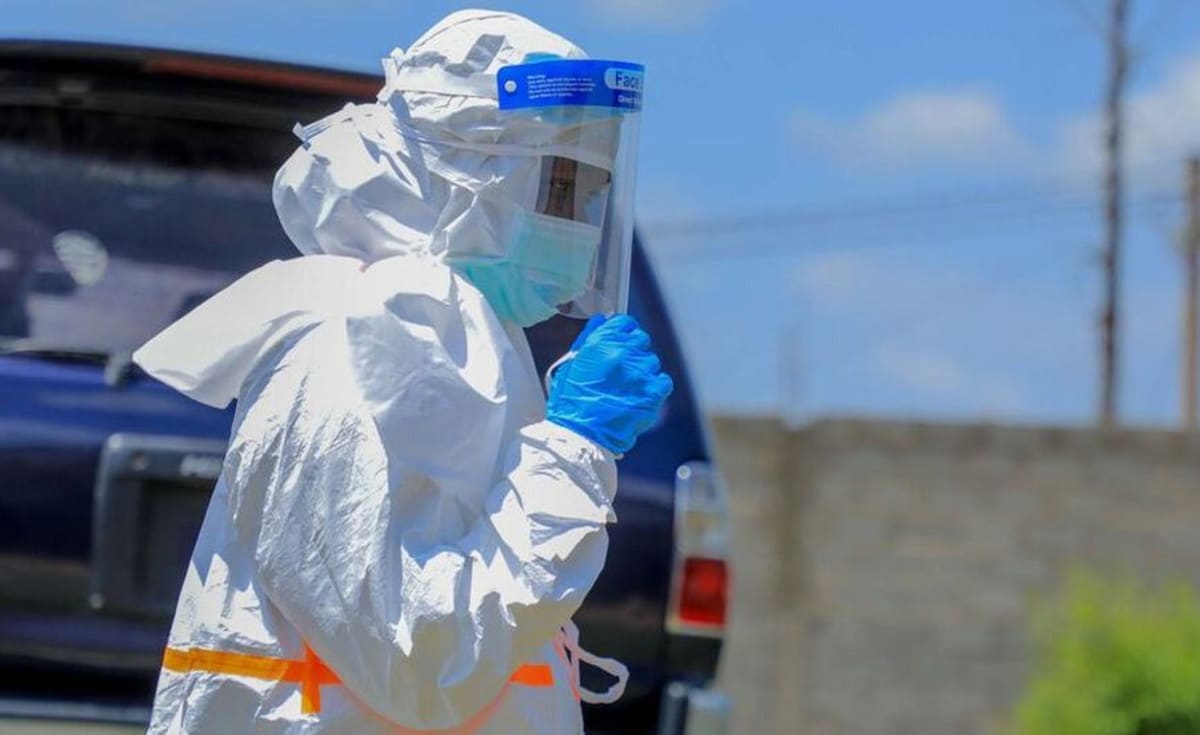
Africa Mobilizes $518M Plan to Stop Ebola Outbreak
African health leaders just launched a unified six-month plan to contain the Bundibugyo Ebola outbreak spreading through the Democratic Republic of Congo and Uganda. Ten countries are already strengthening their emergency response systems to protect 1.4 billion people across the continent.
When Ebola moves through communities, every hour counts, and Africa is proving it can move faster.
The Africa CDC and World Health Organization announced a joint $518 million response plan this week to stop the Bundibugyo strain of Ebola currently affecting Central Africa. The six-month initiative brings together governments, health workers, and communities under one coordinated strategy to save lives and prevent the virus from spreading beyond its current borders.
The plan focuses on ten priority countries where teams are strengthening disease surveillance, improving laboratory testing, and training health workers in infection control. Unlike previous outbreaks, this response puts community engagement at the center of every decision, recognizing that local trust and participation are essential for successful contact tracing and safe care.
"Ebola moves fast. Africa must move faster," said Dr. Jean Kaseya, Director-General of Africa CDC. The unified approach means one plan, one budget, and one coordinated team working across borders to detect new cases quickly and respond immediately.
The timing presents unique challenges. No licensed vaccines or treatments exist specifically for the Bundibugyo species of Ebola, making prevention and rapid response even more critical. Health teams are simultaneously maintaining support for ongoing cholera, mpox, and measles responses to ensure other health emergencies don't go unaddressed.
Response operations are already accelerating in the Democratic Republic of Congo, where authorities are ramping up efforts with international support. Cross-border coordination between affected countries has intensified, with screening measures strengthened at border crossings to catch potential cases early.
The Ripple Effect: This coordinated response represents more than outbreak control. African nations are building permanent health infrastructure that will strengthen the continent's ability to handle future health threats. The lessons learned from previous Ebola outbreaks and recent health emergencies are being applied in real time, creating systems that protect communities long after this outbreak ends.
The plan emphasizes protecting vulnerable populations and ensuring health systems remain resilient even during acute emergencies. Health workers on the ground are combining scientific expertise with community wisdom, understanding that sustainable solutions require both medical intervention and local leadership.
Success depends on sustained funding, political commitment, and continued community participation. Early results show promise as countries demonstrate the power of unified action over fragmented responses.
Africa is turning its collective expertise and resources into a continent-wide shield against disease, proving that coordinated action saves lives.
Based on reporting by AllAfrica - Headlines
This story was written by BrightWire based on verified news reports.
Spread the positivity!
Share this good news with someone who needs it

%2Ffile%2Fattachments%2Forphans%2FGathering-Crime2_240552.jpg)