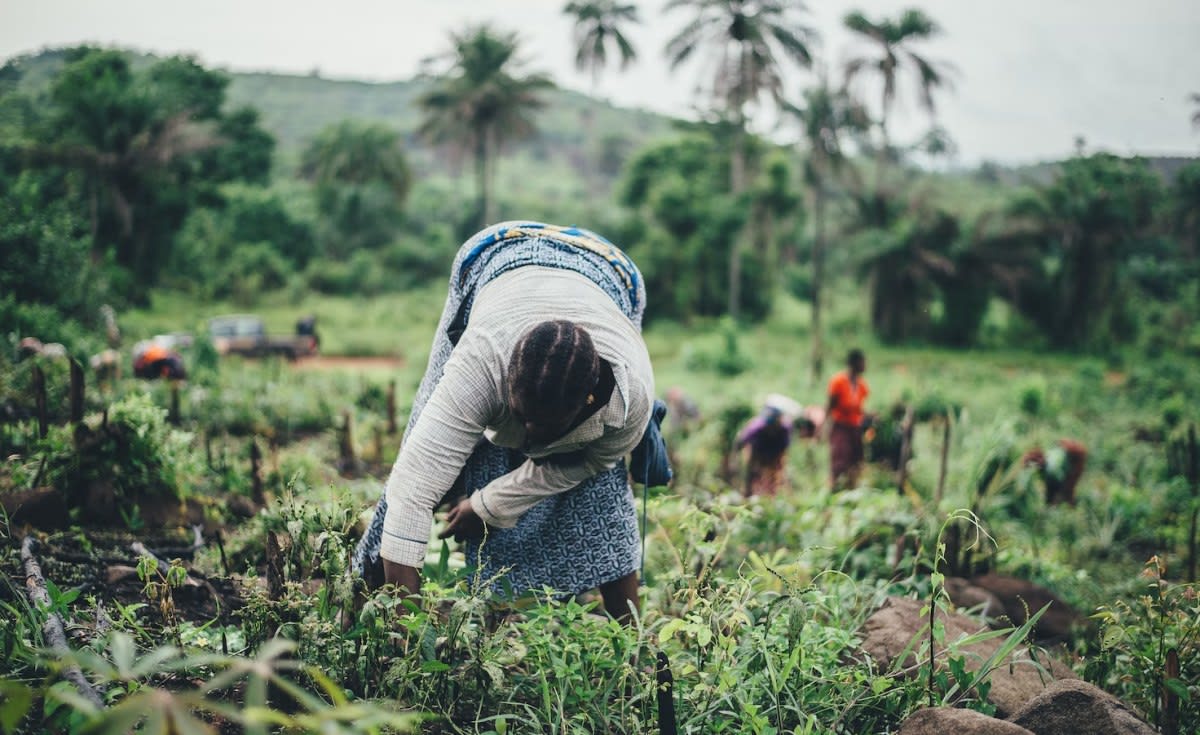
Africa Plans Massive Irrigation Boost to Beat Drought
African leaders are rallying to expand irrigation systems across the continent, where 95% of farmland still depends on unpredictable rainfall. The goal is to protect millions from hunger as climate shocks become more severe.
When El Niño struck southern Africa last year, it triggered the driest season in 40 years and left 26 million people facing hunger. Now, leaders across the continent are racing to prevent the next crisis with a solution that's worked elsewhere: irrigation.
Only 5% of Africa's farmland uses irrigation systems, while Asia irrigates seven times more land. That gap leaves hundreds of millions of people vulnerable every time the rains fail.
At the Africa Food Systems Forum in Kigali, Rwanda, government officials and development partners announced plans to dramatically scale up irrigation infrastructure. Nigeria's Agriculture Minister, Senator Abubakar Kyari, delivered an optimistic message about what's possible.
"The technology is there and the workforce is there," Kyari said. "What we need is collective action."
Africa holds 9% of the world's renewable freshwater, so the continent isn't lacking resources. The challenge has been turning that water into working irrigation systems that reach the 80% of sub-Saharan farmers who work small plots of land.
Countries are now pushing to adopt the African Union Framework on Irrigation Development, a blueprint created in 2020 to modernize agriculture and boost food security. The plan emphasizes putting farmers at the center of irrigation development and creating opportunities for young people in agricultural work.
Vincent Kabuti, Irrigation Secretary in Kenya's Ministry of Water, pointed out that both large commercial systems and farmer-led initiatives will be essential. "We have a lot of water, but it is the investment that we do not have," he said.
The timing matters. Scientists predict the next El Niño will hit southern Africa in the 2026/2027 growing season, bringing severe drought conditions that threaten staple crops like maize.
The Ripple Effect
Beyond protecting crops from drought, expanded irrigation could transform lives across Africa in multiple ways. Better water control means farmers can grow food year-round instead of gambling on seasonal rains. That stability creates jobs and steady income for families.
Tilahun Amede from the Alliance for a Green Revolution in Africa emphasized that irrigation systems must connect to markets so farmers can actually earn from their harvests. When farmers have reliable income, they can invest in better seeds, tools, and techniques that boost yields even more.
The investment could reach 439 million Africans currently living in extreme poverty, giving them a path to food security and economic stability their families have never known.
Kyari framed the moment as Africa's chance to break free from cycles of crisis and reaction. "This is not a continent of scarcity but of strategic abundance," he said. "We must turn continental commitments into actionable delivery."
The blueprint exists, the water flows through African rivers and aquifers, and the political will is building at exactly the right time.
Based on reporting by AllAfrica - Environment
This story was written by BrightWire based on verified news reports.
Spread the positivity!
Share this good news with someone who needs it