Africa Shows World How to Protect 30% of Ocean by 2030
African nations are leading the way in ocean conservation, with Seychelles already protecting over 30% of its waters through innovative financing and community partnerships. Their success offers a blueprint for countries worldwide racing to meet the 2030 conservation goal.
When 193 countries promised in 2022 to protect 30% of Earth's oceans by 2030, many wondered if it was possible. Now, coastal African nations are proving it can be done.
Seychelles has already hit the 30% target through creative solutions that other countries are watching closely. The island nation made history in 2015 with the world's first debt conversion designed entirely for marine protection, then followed up with ocean-focused bonds that continue funding conservation today.
The real work happens after the money arrives. The Seychelles Conservation and Climate Adaptation Trust now partners with local communities to create management plans, train surveillance teams, and build monitoring systems. This isn't just about drawing lines on a map; it's about protecting waters while supporting fishing families and island cultures.
Along the Gulf of Guinea, Gabon and the Republic of Congo created Africa's first shared marine park, protecting one of the continent's most biodiverse coastlines. The park shelters Africa's largest leatherback turtle nesting grounds and over 70 shark and ray species. After 30 years of building trust with local communities, conservation groups are now helping both governments strengthen park management.
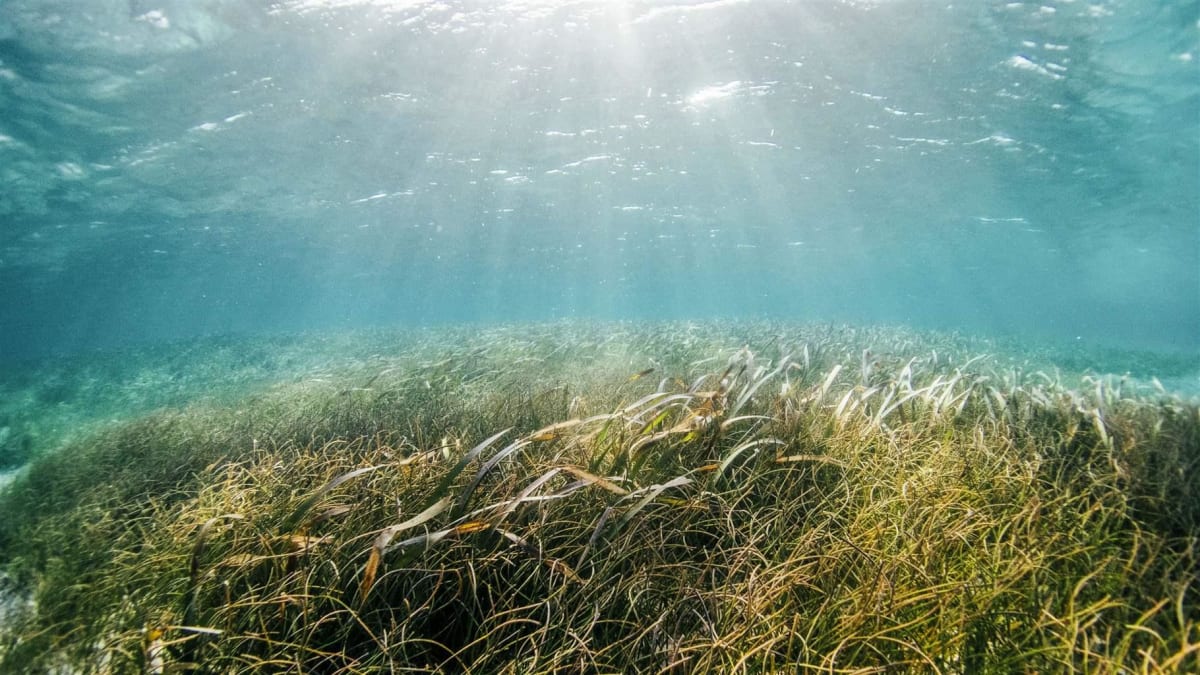
In the Western Indian Ocean, where 60 million people live within 60 miles of shore, communities are leading protection efforts for 190,000 square kilometers of ocean. Local partners are mapping seagrass meadows for the first time and training regional experts to protect these underwater prairies.
These seagrass meadows matter more than most people realize. Along with mangroves and salt marshes, they're the only coastal ecosystems officially recognized for storing carbon that would otherwise warm our planet. They also calm storm waves, anchor shorelines, and provide nurseries for fish that feed one-fifth of the world's largest fisheries.
The Ripple Effect
The mapping success in Seychelles inspired the Large-Scale Seagrass Mapping and Management Initiative, now expanding across Kenya, Madagascar, Mozambique, and Tanzania. Universities and research groups in each country are creating standardized maps and training the next generation of seagrass scientists.
These African examples reveal the recipe for conservation that works: national governments collaborating with neighborhood groups, scientists, and regional organizations on protections that help both people and nature thrive together.
With 2030 just six years away, world leaders gathering this month in Mombasa, Kenya for the Our Ocean Conference will see firsthand what's possible. Africa is showing the world that ambitious ocean protection isn't just a dream; it's already happening.
Based on reporting by Google News - Conservation Success
This story was written by BrightWire based on verified news reports.
Spread the positivity!
Share this good news with someone who needs it