%2Ffile%2Fattachments%2Forphans%2FBMAfricaairlines_291454.jpg)
Africa Strengthens Aviation with New Continental Hub Network
Middle East conflict revealed Africa's reliance on distant hubs for connecting its own cities. Now the continent is building up its own aviation network to connect African travelers directly.
When Middle East conflict disrupted Gulf airspace in 2026, African travelers discovered an uncomfortable truth: flying between two African cities often required a detour through Dubai, Doha, or Istanbul. The crisis sparked a movement to fix a problem decades in the making.
The issue traces back to colonial times, when air routes were designed to connect African territories with European capitals rather than with each other. Even after independence, most flight paths continued pointing outward instead of linking the continent together.
Today, non-African carriers still operate almost 70% of Africa's intercontinental flights. That means when faraway regions face disruptions, African businesses and travelers pay the price through delays, rerouted cargo, and skyrocketing costs.
But the recent crisis revealed something hopeful: Africa already has strong hubs ready to handle more traffic. Cities like Addis Ababa, Nairobi, Johannesburg, Cairo, and Casablanca have the infrastructure to become major connection points for continental travel.
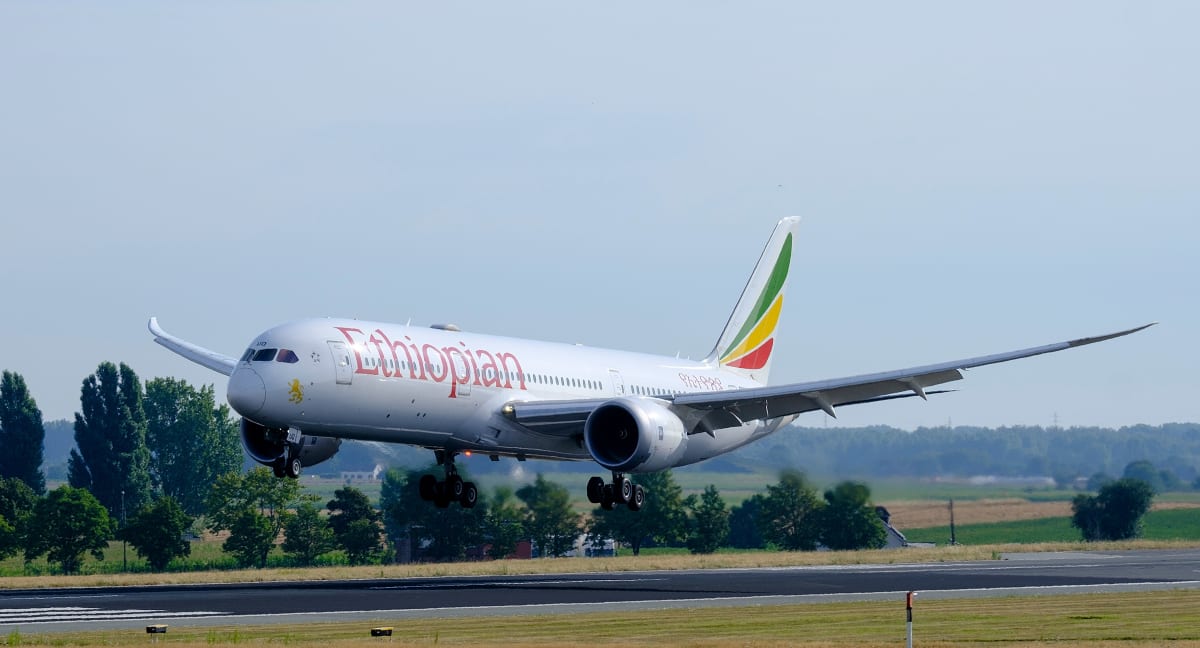
Ethiopian Airlines proves the model works. With government support and operational independence, it has become one of Africa's most successful carriers, connecting the continent efficiently.
The legal framework exists too. The Single African Air Transport Market, launched in 2018, allows African airlines to operate more freely across participating countries. The challenge now is turning those agreements into action.
The Ripple Effect
Stronger intra-African aviation means more than convenient travel. It protects the continent's growing fresh produce exports, which depend on predictable flight schedules to reach global markets. Delays of just a few hours can spoil vegetables and flowers, costing African farmers their livelihoods.
Direct continental flights also reduce costs for everyone. African airlines already face some of the world's highest operating expenses, with fuel accounting for up to 40% of costs. Shorter, more efficient routes mean lower prices for passengers and cargo shippers.
Aviation researcher Arthur Shirichena notes that modernizing visa systems and coordinating air services across borders could quickly increase the capacity of African hubs. The infrastructure largely exists; what's needed is institutional coordination and political will.
The Middle East disruption delivered an unexpected gift: proof that Africa can't afford to depend on external transit hubs any longer, and clear evidence that homegrown alternatives are ready to take flight.
More Images
Based on reporting by Daily Maverick
This story was written by BrightWire based on verified news reports.
Spread the positivity!
Share this good news with someone who needs it