African Fund Backs 3 Startups With $600K in Health, Legal AI
A pre-seed investment program is spreading $600,000 across Nigerian, Kenyan, and Tanzanian startups tackling genomics data, legal access, and food waste. Madica's investment challenges the pattern where 85% of African tech funding flows to just a handful of markets and founder networks.
Three African startups just landed $200,000 each to solve problems most venture capital overlooks: making health data more useful, legal knowledge more accessible, and food supply chains less wasteful.
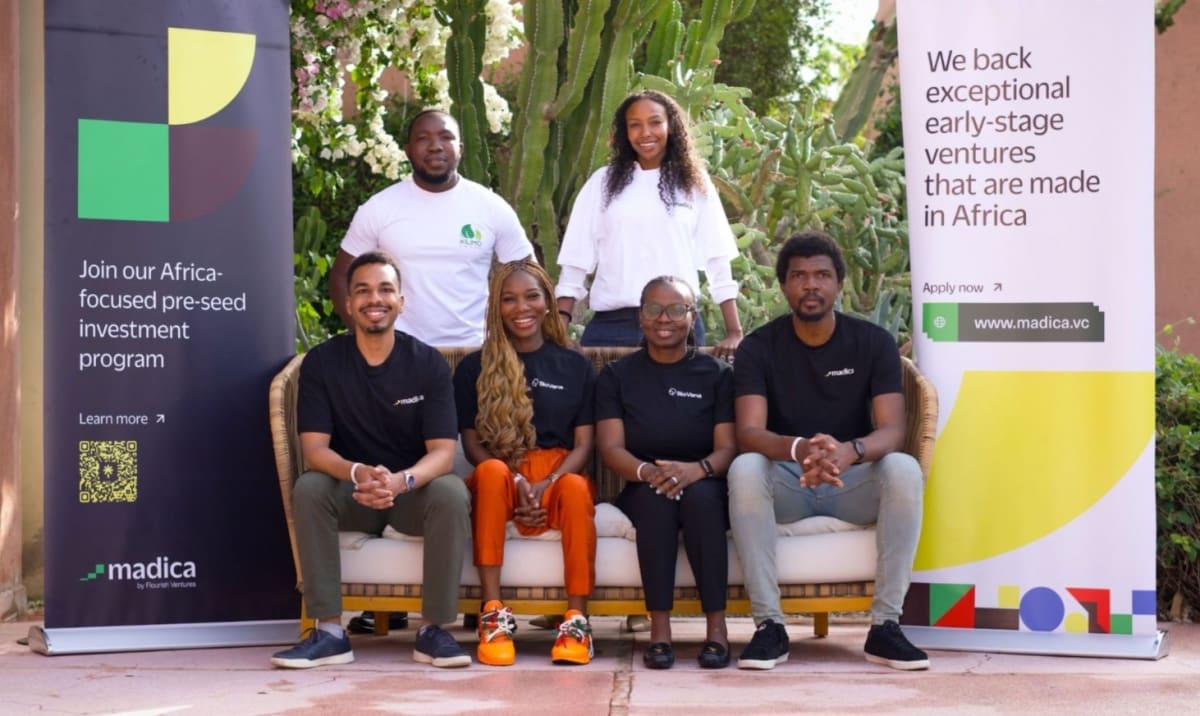
Madica, an Africa-focused pre-seed program, announced investments in companies from Nigeria, Kenya, and Tanzania working on challenges that affect millions but rarely make funding headlines. Each startup receives not just capital but an 18-month acceleration program, two fully funded trips to tech hubs including GITEX Africa in Morocco, and executive coaching.
The portfolio tells a story about what innovation looks like beyond the usual tech hotspots. Biovana in Nigeria is building a platform to harmonize African genomics and health datasets for pharmaceutical research, ensuring African genetic diversity shapes drug development. Hakimu in Kenya is creating a pan-African legal search engine using AI to summarize case law, aiming to cut legal research time by 75%. Kilimo Fresh in Tanzania is connecting smallholder farmers to urban markets through cold-storage logistics to tackle the 40% food waste rate affecting Tanzanian produce.
These aren't consumer apps chasing viral growth. They're companies addressing structural gaps in research infrastructure, justice systems, and food distribution that determine quality of life for entire communities.
The timing matters because African tech funding has become increasingly concentrated. Nearly 85% flows into a narrow set of markets and well-networked founders, according to Madica's data. While larger venture rounds tighten their focus during cautious periods, Madica is widening its lens instead.
The Ripple Effect
When legal information becomes searchable across borders, lawyers spend less time hunting precedents and more time serving clients who couldn't afford lengthy research. When genomic data from African populations becomes usable for drug trials, treatments work better for people whose genetics were historically excluded from research. When farmers can store produce properly and reach buyers directly, families earn more and cities waste less food.
Madica also released a 75-page fundraising manual called "Zero to Funded" for first-time African founders. The guide recognizes that the funding gap isn't only about money but about access to networks, preparation, and understanding how venture capital actually works.
Emmanuel Adegboye, Madica's head, framed the goal as building a portfolio reflecting the full breadth of African entrepreneurship. The selection backs up that claim with companies from ecosystems and sectors that venture capital often finds easier to ignore.
The $600,000 deployment may look modest compared to mega-rounds, but it carries weight by proving that innovation doesn't only happen in familiar places or follow predictable patterns. Sometimes the most important solutions come from founders solving everyday problems in markets that simply need someone willing to look.
More Images




Based on reporting by Regional: africa innovation startup (ZA)
This story was written by BrightWire based on verified news reports.
Spread the positivity!
Share this good news with someone who needs it