Melbourne Program Cuts Preterm Indigenous Births by 28%
A culturally-tailored midwifery program for First Nations families in Melbourne has dramatically improved birth outcomes, with babies less likely to be born early or underweight. The results, published in The Lancet, are now inspiring expansion across Victoria.
Indigenous babies in Melbourne are being born healthier thanks to a midwifery program that honors culture alongside medicine.
The Baggarrook Yurrongi program, running in three Melbourne hospitals since 2017, has produced remarkable results. A study tracking 669 Indigenous babies found they were 28% less likely to be born preterm compared to babies whose mothers received standard care.
The numbers tell a powerful story. Low birth weight dropped from 15.7% to 10.5%. Babies needing intensive care fell from 28.7% to 21.7%. And more mothers successfully started breastfeeding, jumping from 85.9% to 90.7%.
The program's secret isn't complicated technology or expensive treatments. Each First Nations mother gets one dedicated midwife who supports her through pregnancy, birth, and beyond. Families also receive cultural support from Aboriginal health services.
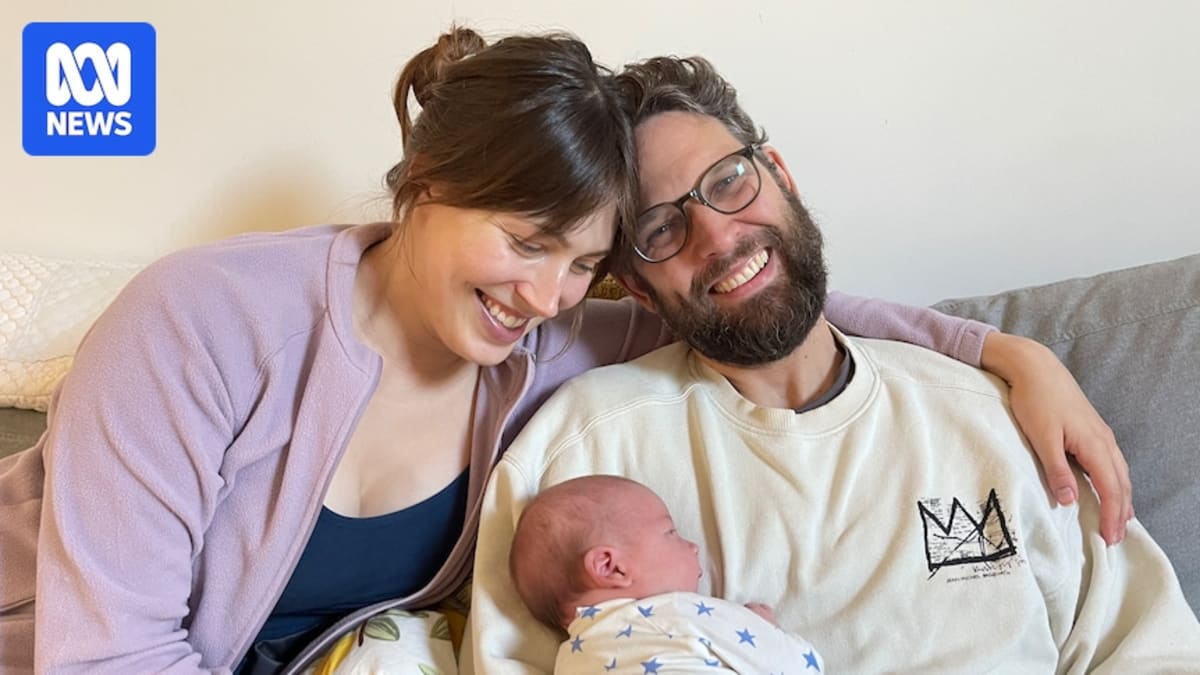
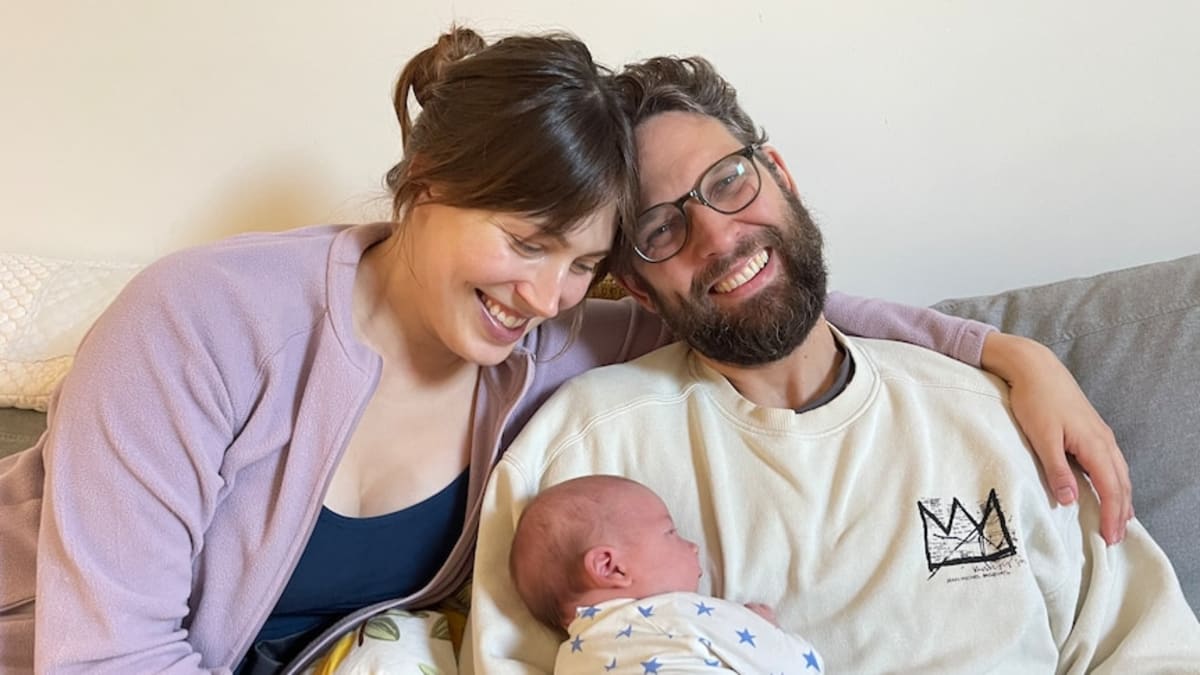
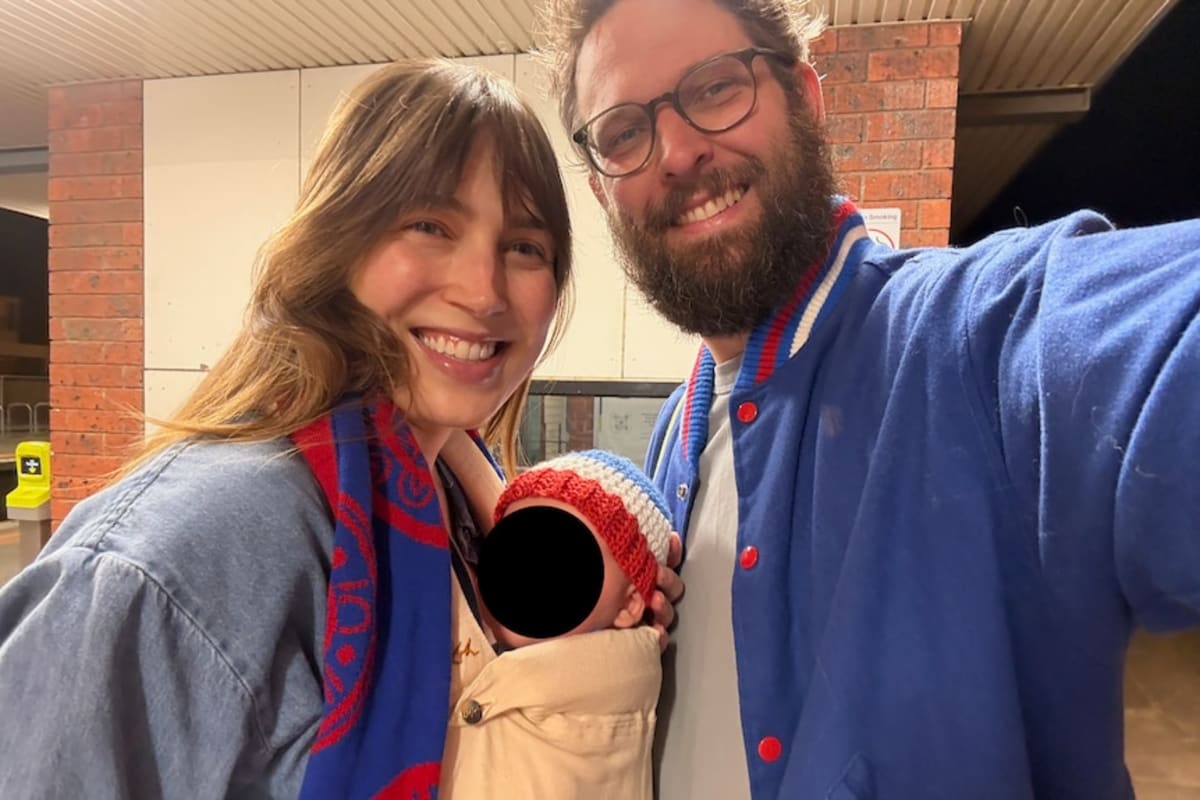
Jacqueline Howard and her Indigenous husband Olli Wynyard Gonfond experienced the difference firsthand. They brought sand from Olli's ancestral Biripi country so their newborn son could take his first symbolic steps on home soil in the hospital room.
"They gave us so many thoughtful ideas of how we could bring ceremony into the birth," Howard said. The couple also practiced Olli's family tradition of placing a special tonic on their baby's tongue before his first breastmilk.
That trust made all the difference. Instead of worrying whether big hospital rules would clash with cultural practices, the family felt welcomed and supported.
The Ripple Effect
Lead researcher Professor Della Forster believes the reduced stress from continuous, culturally-informed care may be improving babies' physical health. Her team is now measuring stress hormones to understand exactly how respect and trust translate into better birth outcomes.
The results caught global attention after publication in The Lancet. "Across the world, people will be looking to these sort of statistics and saying 'this is amazing, we all need to do it,'" Forster said.
The program is already expanding to hospitals in Bendigo, Mildura, and other Victorian regions. Forster's vision is simple: every woman having a First Nations baby should have access if she wants it.
Four months after welcoming their "chunky" baby boy Émile Malu at a healthy 41 weeks, Howard and Wynyard Gonfond remain grateful for care that honored both medical science and cultural heritage.
Small changes in how we treat expectant mothers are creating big differences in how their babies enter the world.
More Images

Based on reporting by ABC Australia
This story was written by BrightWire based on verified news reports.
Spread the positivity!
Share this good news with someone who needs it