India Launches Digital System That Saves Lives Before Arrival
Rajasthan just became the first Indian state to roll out a smartphone-based emergency system that sends patient data to hospitals before ambulances arrive. The innovation has already helped save lives in over 3,510 emergency cases.
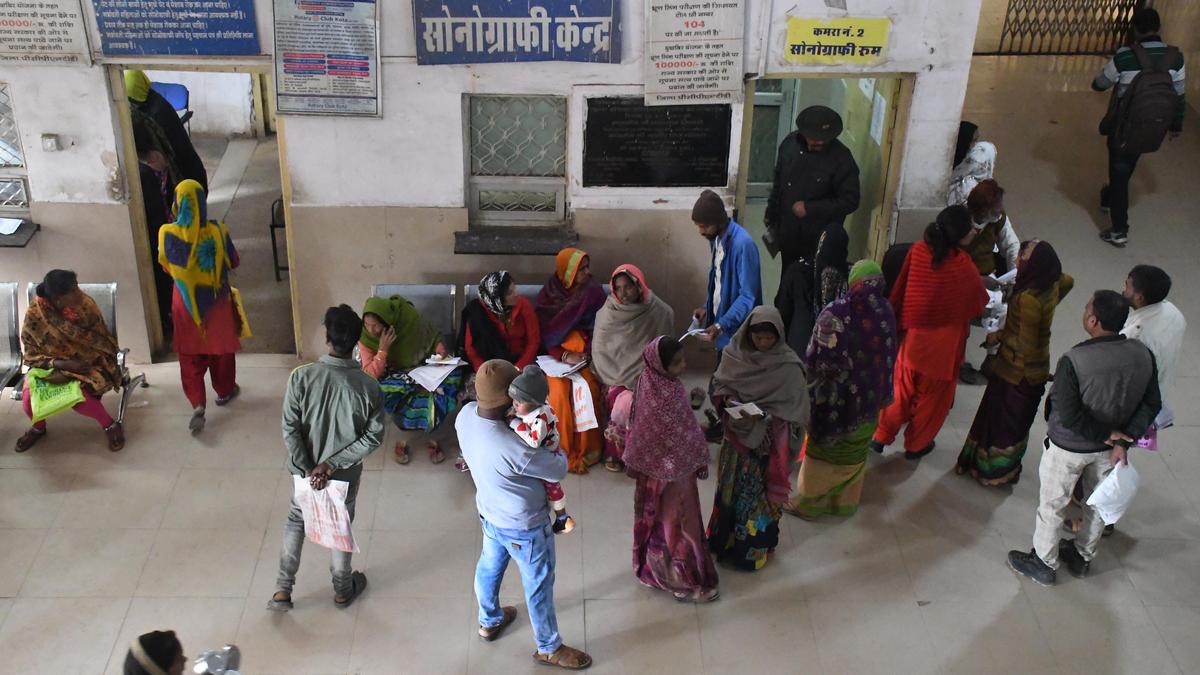
Patients in rural Rajasthan are getting a powerful new lifeline that transforms those critical first minutes of emergency care.
The state just launched SETU, a digital referral system that sends complete patient information to city hospitals the moment a rural doctor hits send on their smartphone. By the time the ambulance pulls up, a team of specialists is already prepped, beds are reserved, and treatment begins the instant doors open.
Rajasthan is the first state in India to implement this model. Developed at Rabindranath Tagore Medical College in Udaipur, the system has already managed over 3,510 emergency cases across 15 districts since its rollout.
Here's how it works: A doctor at a remote primary health center examines a patient who needs urgent specialist care. Using just a smartphone app, they send the patient's medical history, estimated arrival time, and live GPS tracking straight to the nearest tertiary hospital's control room.
The control room reviews the case and immediately alerts the right specialists through a closed network. Whether it's trauma, surgery, obstetrics, or pediatrics, the team gets ready while the patient is still en route.
Principal Medical and Health Secretary Gayatri Rathore calls it a "digital bridge" connecting rural clinics with advanced city hospitals. The system eliminates what she describes as "blind arrivals," where hospitals scramble to assess and treat patients they knew nothing about moments before.
The technology keeps costs low too. SETU runs entirely on smartphones, QR codes, and a dedicated phone network, so no expensive new infrastructure is needed.
The Ripple Effect
The impact goes beyond emergency response. Every patient referred through SETU gets a follow-up call the next day to check on their recovery and gather feedback on hospital services.
This means rural communities that once felt isolated from quality healthcare now have direct access to specialist care. Families don't have to wonder if help will be ready when they arrive. Doctors in remote areas can act confidently knowing backup is standing by.
The model shows how simple digital tools can solve complex healthcare challenges. Other states are already watching to see how they might replicate Rajasthan's success.
For thousands of families facing medical emergencies, those precious minutes of preparation could mean the difference between tragedy and recovery.
Based on reporting by The Hindu
This story was written by BrightWire based on verified news reports.
Spread the positivity!
Share this good news with someone who needs it