
Australia's Green Bank Hits $105B Clean Energy Milestone
Australia's green bank just closed its biggest year ever, investing a record $9.1 billion in renewable energy projects and crossing the $105 billion mark since 2012. The surge includes breakthrough funding for wind farms and a massive undersea cable connecting Tasmania to Victoria.
After 14 years of betting on a cleaner future, Australia's Clean Energy Finance Corporation just proved that green banking works on a massive scale.
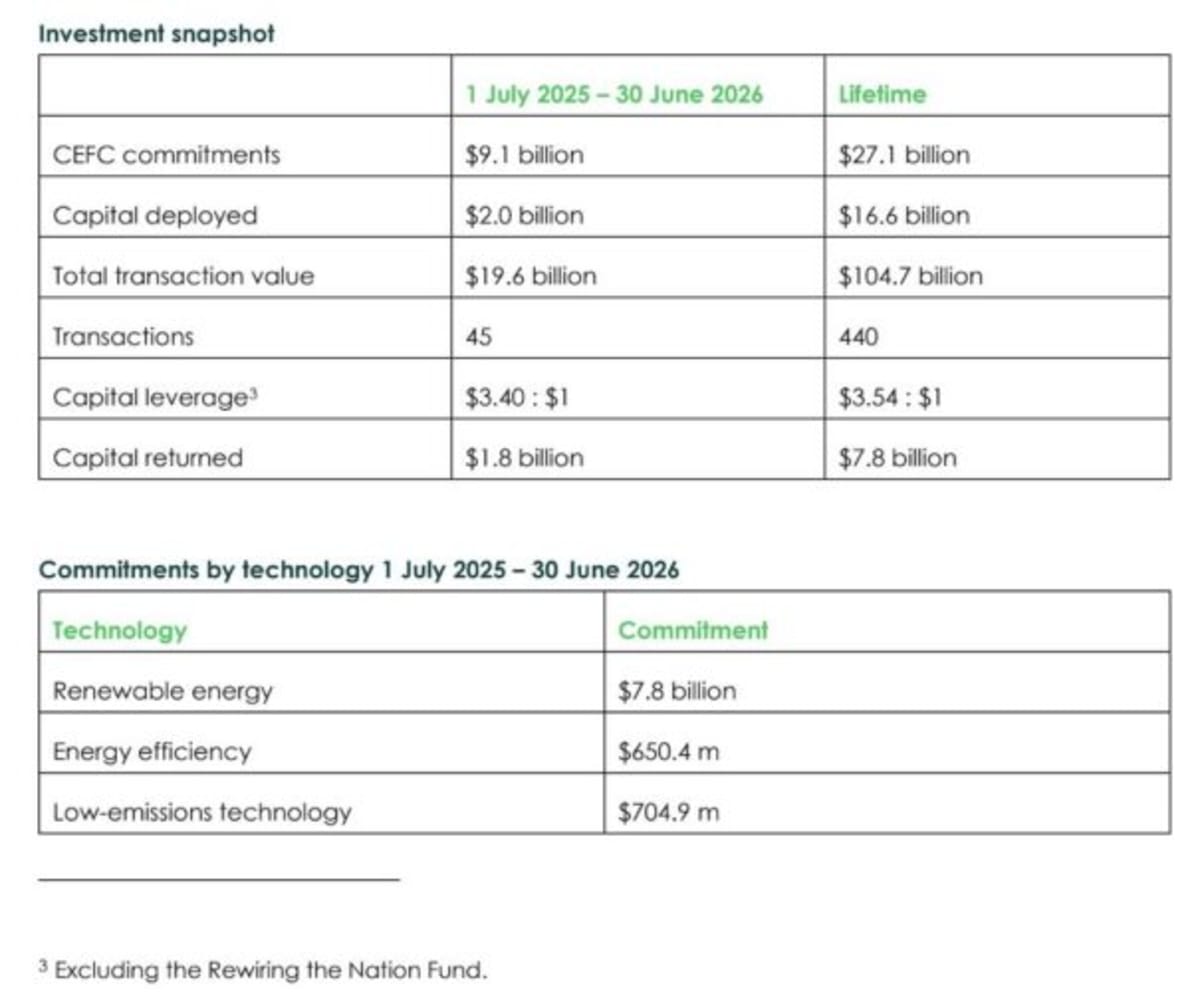
The federal green bank wrapped up its 2025-26 financial year with a record $9.1 billion committed to renewable energy projects across the country. That investment helped mobilize nearly $20 billion in total project value and pushed the organization past an inspiring milestone: $105 billion in clean energy projects financed since its launch in August 2012.
The standout achievement? A $3.8 billion loan for Marinus Link, an undersea electricity and data cable stretching across the Bass Strait from Tasmania to Victoria. It's the biggest single investment the green bank has ever made, and the concessional financing helped bring the entire $5 billion project to the finish line while reducing costs for energy consumers.
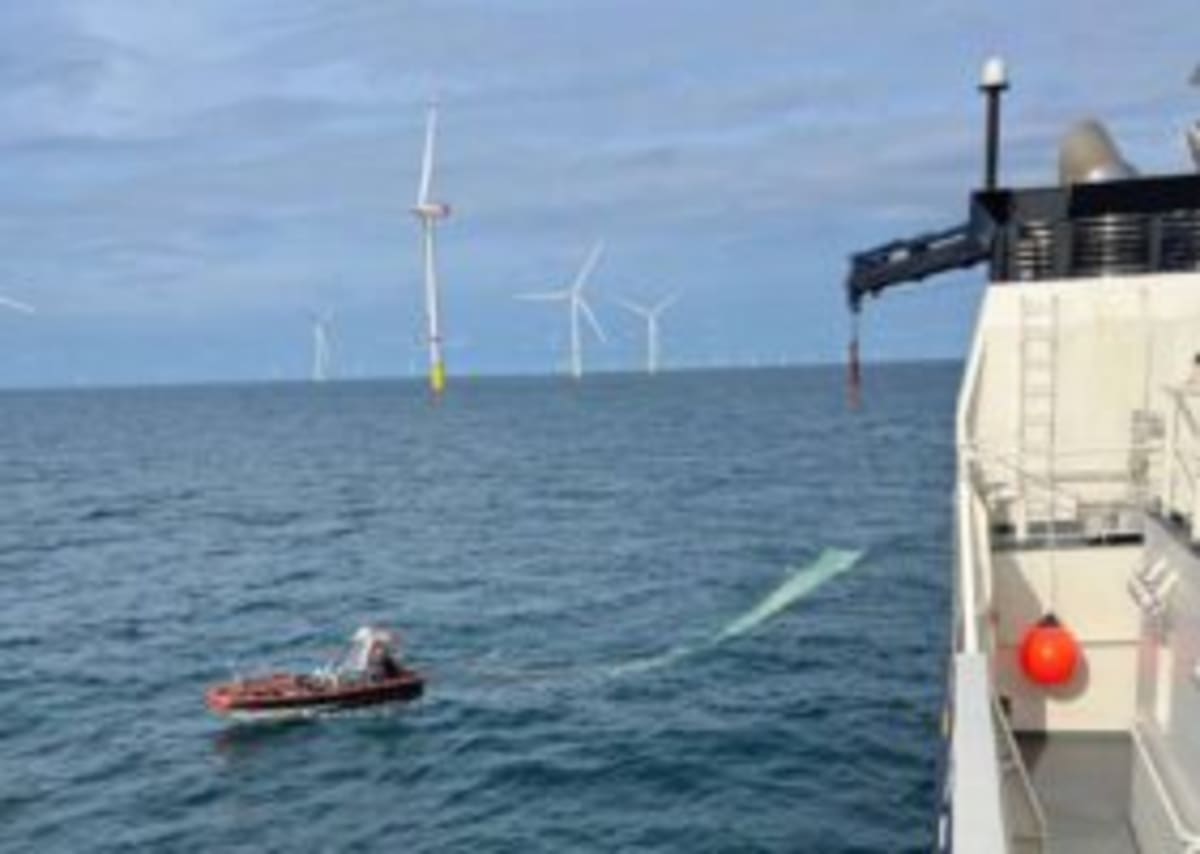
But the impact goes far beyond one giant cable. The green bank threw a lifeline to Australia's struggling wind energy sector, financing three of the four wind projects that reached completion in December. Those investments totaled $247 million and helped break a frustrating drought in new wind farm construction.
Over the full year, the bank financed more than $340 million worth of wind, solar and storage projects, adding 1.2 gigawatts of renewable capacity to the grid. Since 2012, it has committed $27.1 billion specifically to renewable energy technology.
The numbers reveal something powerful about how green finance works. Every dollar the bank committed in 2025-26 attracted an additional $3.40 from private investors, proving that smart public investment can multiply itself many times over.
Outgoing CEO Ian Learmonth, who has led the organization since 2017, called it "a defining year" for Australia's transition to net zero. He emphasized that clean energy isn't just about cutting emissions anymore, it's about reducing household costs, strengthening the economy, and building energy security.
The Ripple Effect
The green bank's investments touch Australians in surprisingly direct ways. By lowering upfront costs for rooftop solar, batteries and efficient electric appliances, the financing helps families future-proof their homes while easing pressure on household budgets. Meanwhile, the transmission projects like Marinus Link create the backbone needed for enough wind and solar to replace coal-fired power plants entirely.
The organization is now passing the baton to new CEO Paul McCartney, currently the Chief Investment Officer for Rewiring the Nation, who takes over on September 18. He inherits an organization that has proven green banking can operate at scale, attract private capital, and accelerate the clean energy transition without costing taxpayers.
After 14 years and $105 billion in clean energy projects, Australia's green bank shows that betting on a renewable future isn't just good for the planet, it's good business.
More Images


Based on reporting by Google: renewable energy record
This story was written by BrightWire based on verified news reports.
Spread the positivity!
Share this good news with someone who needs it