African Groups Reject Aid Terms, Demand Power Over Solutions
A small Kenyan nonprofit turned down crucial funding because the donor's conditions didn't match what its communities needed. That bold choice is sparking a continent-wide movement to reimagine how development works in Africa.
When a donor offered a struggling Kenyan organization money to expand, most people expected them to say yes. Instead, they walked away.
The reason? The donor wanted rapid expansion into new areas. The organization knew the communities it already served needed deeper, sustained support first. So they made a gutsy call and turned down the funding.
"We're not going to take anything just because it comes our way," the organization told African Collaborative, a group that funds African nonprofits working in health, education, and agriculture. The decision was especially tough because the organization's budget was small and resources were tight.
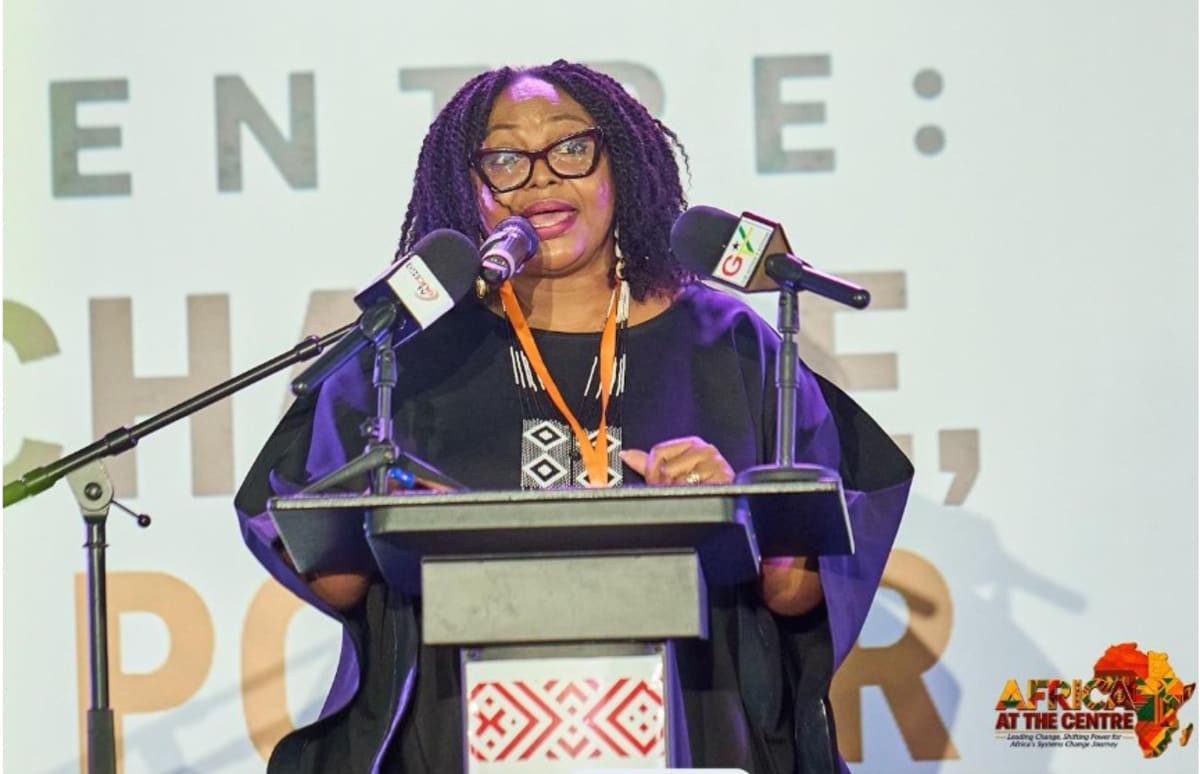
That moment captures what more than 200 African civil society leaders gathered to discuss at the first-ever "Africa at the Centre" conference. Representatives from 30 countries, including Nigeria, came together with a shared goal: take back control of development decisions from foreign donors.
"For too long we've had development done to us," said Nana Asantewa Afadzinu, executive director of the West Africa Civil Society Institute. "We've not been in the driving seats of deciding what the solutions should be to our own problems."
The frustration is decades in the making. Foreign donors have long controlled which African problems get funded, how projects are designed, and what counts as success. African leaders say this approach has led to failed projects, wasted talent, and communities that don't get what they actually need.
Now, as traditional foreign aid shrinks, African organizations are pushing for change. They want donors to listen to communities first and adjust requirements to match local priorities. They're also working to raise more funds from African sources and reduce money lost to corruption and debt payments.
Oyebisi Babatunde, executive director of the Nigeria Network of NGOs representing over 3,000 organizations, said the current system feels like a one-sided negotiation. Donors offer partial funding with strict conditions, while additional support comes as loans rather than grants.
The stakes became real when the U.S. ended USAID support to Nigeria in January 2025 after six decades. That agency had provided $930.2 million to Nigeria in 2024 alone and over $2.5 billion for humanitarian response between 2020 and 2024.
Jobs have been lost across Nigeria's nonprofit sector. Many organizations are expected to close by mid-2027 as reserves run out. Communities that relied on donor-funded services for HIV prevention, clean water, schools, and clinics are already feeling the gap, especially in areas affected by Boko Haram.
The Ripple Effect
The conference isn't just about protest. It's about building something better. African leaders are designing a new approach based on lessons learned, past commitments from donor countries, and calls for more balanced global governance.
Many African leaders now say they don't want traditional aid at all. They want business partnerships and jobs that create lasting economic opportunity. That shift could transform how development works not just in Africa, but globally.
Oyebisi put it simply: "We needed reforms of the aid architecture." The path forward requires African governments, civil society, donors, and communities working together as equals. When that Kenyan organization turned down funding, they proved African nonprofits can set boundaries and demand better. Now hundreds of others are following their lead, reshaping development one brave decision at a time.
More Images


Based on reporting by Premium Times Nigeria
This story was written by BrightWire based on verified news reports.
Spread the positivity!
Share this good news with someone who needs it