African Journalists Train to Expose Climate Greenwashing
Ghana just hosted the first in-person gathering of African climate journalists learning to spot false solutions and tell stories that drive real change. The workshop prepared reporters to hold power accountable on waste, pollution, and climate resilience across the continent.
Journalists from across Ghana gathered in Accra this week for something that could reshape how climate stories get told in Africa.
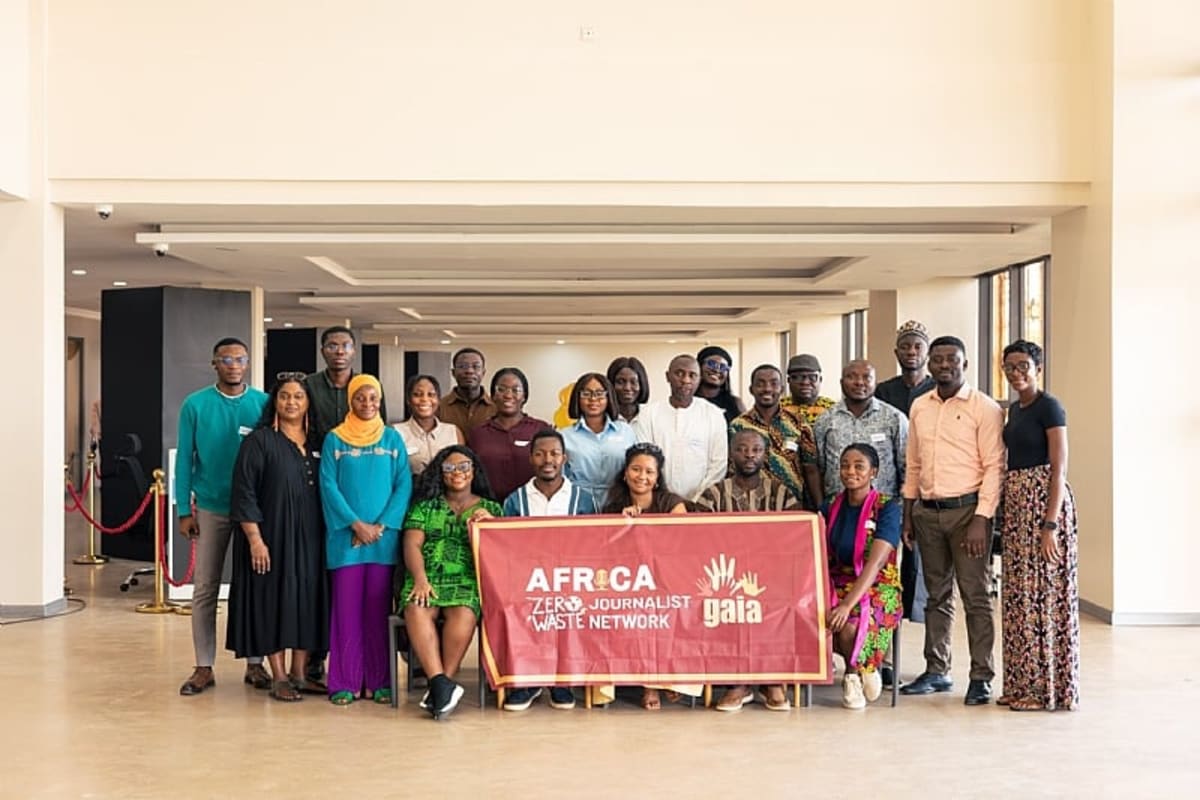
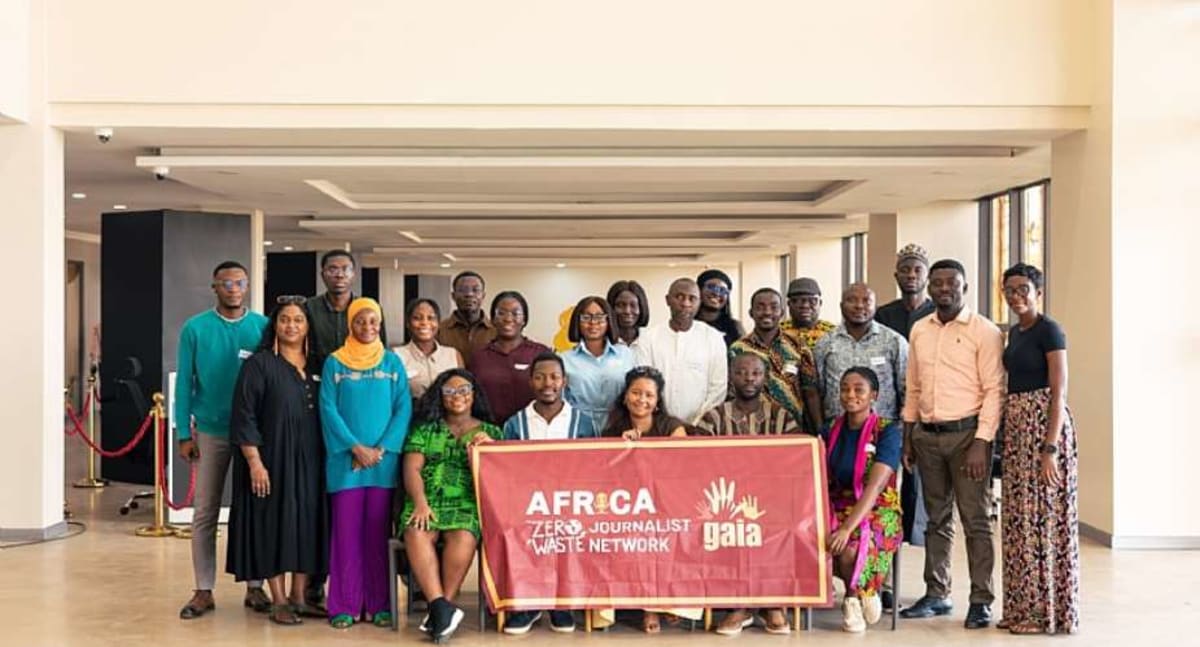
GAIA Africa brought together members of its Africa Zero Waste Journalists network for their first face-to-face training since launching in 2024. The timing was strategic, happening right before the continent-wide Africa Zero Waste Academy in Kpone.
The day-long workshop tackled a critical challenge: how to spot the difference between real climate solutions and projects that just sound good. Facilitators taught reporters to identify greenwashing, question carbon offset schemes, and investigate waste-to-energy projects that can actually entrench pollution.
"Journalists must be able to spot greenwashing and question projects that are presented as climate action but fail to reduce emissions or harm local communities," said Carissa Marnce, Africa communications manager at GAIA Africa. The goal is giving readers and policymakers information they can trust.
The training covered climate science basics, zero waste strategies, and a modern twist: how to use short-form video to make complex environmental issues accessible. Hafiz Larry Alhassan led a session showing how a well-crafted 30-second reel can reach audiences traditional reporting often misses.
Participants worked through real examples from Ghanaian communities, from coastal erosion in the Volta region to urban flooding in Accra. Small groups developed story ideas they could produce with minimal equipment, leaving with concrete leads and clearer direction.
The zero waste module highlighted community-centered solutions that deliver measurable wins: composting programs that cut emissions, waste-picker cooperatives that create green jobs, and reuse initiatives that improve public health. Desmond Alugnoa presented case studies showing how local efforts succeed when backed by smart policy and investment.
The Ripple Effect
Building a cross-border network of trained environmental reporters could transform how Africa's climate challenges and solutions get covered. The journalists who met in Accra can now collaborate on investigations, share resources, and support each other's work across the continent.
As climate impacts intensify, the network plans to continue quarterly trainings mixing virtual and in-person formats to reach more reporters. Ibrahim Khalilulahi Usman, who coordinates the network, sees these journalists as change agents who can influence policy by exposing false solutions and highlighting practical alternatives.
The Accra workshop set a new bar for environmental journalism training in Africa, one that prioritizes accountability and community voices over corporate spin.
More Images

Based on reporting by Google News - Climate Solution
This story was written by BrightWire based on verified news reports.
Spread the positivity!
Share this good news with someone who needs it