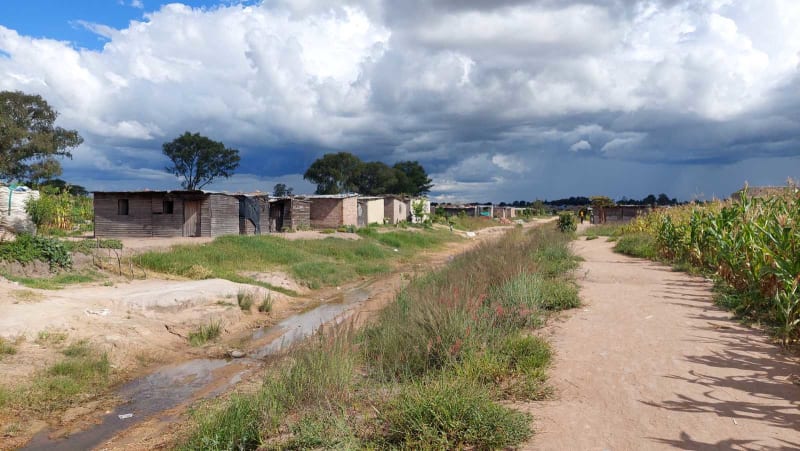
African Slum Residents Build Drains, Fight Floods Themselves
In Zimbabwe's informal settlements, residents tired of waiting for help are building their own flood channels, planting erosion-fighting grass, and organizing savings groups that fund wells and climate solutions. Their grassroots innovation is quietly transforming Africa's fastest-growing cities.
When flash floods tear through Tafara settlement in Harare, Zimbabwe, no government trucks arrive with sandbags or emergency relief. So residents grab shovels and build drainage channels themselves, planting resilient grasses to stop soil from washing away.
Across Africa's informal settlements, home to half the continent's 700 million urban residents, people are solving problems most wouldn't consider innovation at all. They're recycling metal scraps into sellable products, mapping flood-prone zones, and pooling savings to drill wells when cities won't extend water pipes.
Teurai Anna Nyamangara works with Dialogue on Shelter for the Homeless in Zimbabwe, part of Slum Dwellers International. She sees this creative survival daily, yet most residents don't call themselves innovators.
"For them, innovation is something that happens in universities or large companies," she explains. But these same people are adapting and improving things every day to support their families.
The numbers make their work critical. Africa's urban population will double to 1.4 billion by 2050, with half those residents under age 25. Most earn income informally under precarious conditions, lacking basic services and facing constant eviction risks.
Climate change makes everything harder. Heavy rains overwhelm settlements without drainage. Extreme heat bakes small shacks with poor ventilation. Waiting for government help feels pointless.
The Ripple Effect
The transformation often starts small. Community savings groups bring isolated neighbors together, building trust penny by penny. In Hopley settlement near Harare, residents are pooling money to drill their own boreholes.
These groups become platforms for bigger changes. In Dzivaresekwa Extension, community members are mapping exactly where drains are needed most. In South Africa, similar networks created recycling teams that manage solid waste while generating income.
Slum Dwellers International has helped replicate this model across the continent. Ugandan groups work directly with government officials to co-develop settlement upgrades. Zimbabwean communities build eco-friendly toilets and run recycling programs that turn waste into wages.
"We are not the problem. We are the solution," residents say across settlements. Ignoring their knowledge and energy means missing the best source of inclusive urban reform.
As Africa's cities explode in size, the expertise already exists in their most marginalized neighborhoods. Young, educated residents are creating climate solutions, building infrastructure, and organizing change without waiting for permission.
Their message is simple: partner with us or watch us do it ourselves anyway.
Based on reporting by Google News - Africa Innovation
This story was written by BrightWire based on verified news reports.
Spread the positivity!
Share this good news with someone who needs it