Scientists Unlock Whale Secrets Hidden in Baleen
Marine biologists are reading decades of whale life history from baleen plates, whiskers, and tusks like biological time capsules. This breakthrough is revealing mysteries about the ocean's most elusive giants without ever touching a living whale.
When Kathleen Hunt unpacked her first baleen plate in 2013, she didn't know she was holding a ten-year diary written in keratin. The two-metre strip of whalebone, filtered from the jaw of a North Atlantic right whale, contained a decade of secrets about stress, pregnancy, and survival.
Hunt, a conservation biologist at Oregon State University's Marine Mammal Institute, realized that baleen grows continuously like fingernails, creating a timeline of everything happening inside a whale's body. Each centimeter of growth captures hormones, diet information, and environmental exposures that scientists could never collect from living whales swimming thousands of miles across open ocean.
The technique works because baleen is made of keratin, the same protein in human hair and nails. Hunt drills tiny samples every centimeter along the plate's length, then extracts more than ten different hormones including cortisol for stress and progesterone for pregnancy.
She pairs this with stable isotope analysis of carbon and nitrogen, which reveals what the whale ate and where it traveled. The combination creates a timestamp showing exactly when major life events happened, season by season.
For critically endangered North Atlantic right whales, this matters desperately. Scientists still don't know where most of these whales disappear to for much of the year. With populations plateauing and deaths from ship strikes and fishing gear rising, understanding their stress levels and breeding patterns could help save the species.
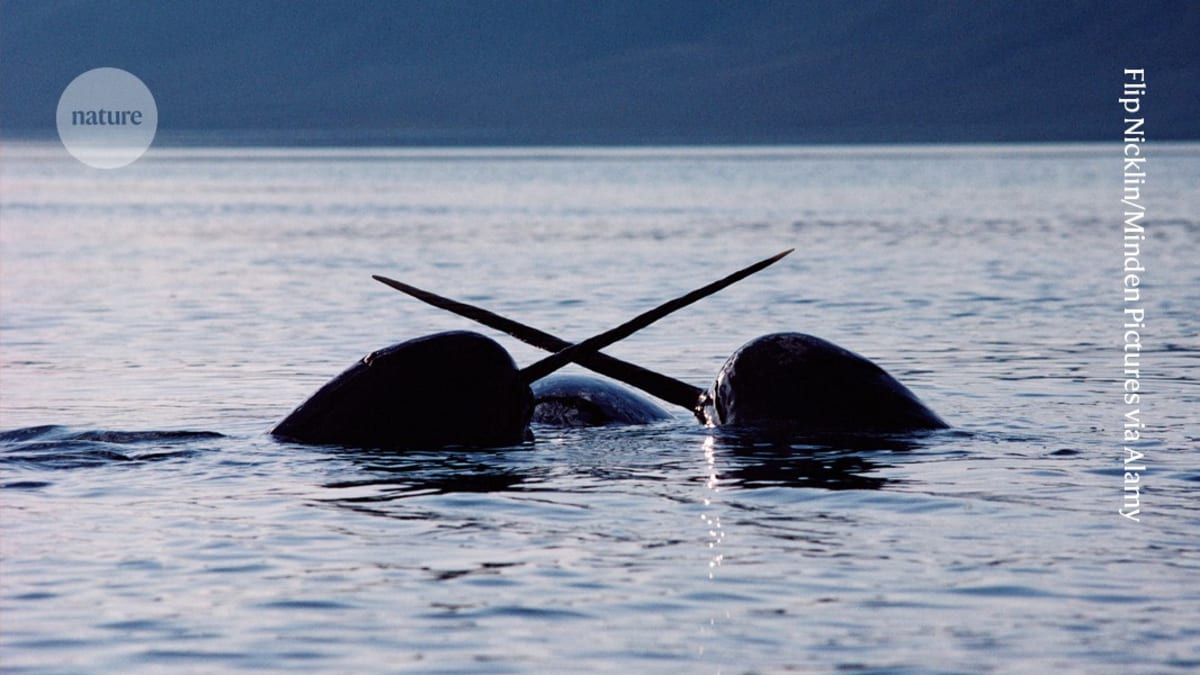
The research has already upended previous estimates about gestation length and breeding locations. Hunt and colleagues have expanded their work to tusks, teeth, whiskers, and bones from belugas, narwhals, and other marine mammals.
Justine Hudson, a biologist with Fisheries and Oceans Canada, says the race is on to collect baseline data from Arctic species facing rapid climate change. What once seemed impossible now feels urgent and achievable.
The Bright Side
Marine mammals were once the most inaccessible creatures on Earth for scientific study. Blood samples require capturing or closely approaching massive animals that spend most of their lives underwater, often miles from shore.
Now these same animals have become treasure troves of continuous data. A single baleen plate from a beached or naturally deceased whale can reveal nearly a decade of life history without disturbing a single living creature.
The method transforms wildlife research from snapshots to movies. Instead of guessing whether a whale was pregnant based on one observation, scientists can track multiple pregnancies, failed breeding attempts, and the cumulative toll of human activity over years.
Hunt says she can't look at any animal the same way anymore. Where others see a whale, she sees a walking archive of biological data waiting to be read.
Marine mammals that were once mysterious are becoming some of the best-studied creatures on the planet, one keratin sample at a time.
More Images


Based on reporting by Nature News
This story was written by BrightWire based on verified news reports.
Spread the positivity!
Share this good news with someone who needs it