African Tech Leader Pushes 600MHz to Connect 135M Rural Homes
A former Nigerian telecom chief is rallying Africa to secure crucial wireless spectrum that could bring affordable internet to 135 million unconnected rural residents. The push comes as global tech leaders prepare for a major telecommunications conference in Shanghai.
More than 135 million people across rural Africa still lack internet access, but a bold spectrum allocation could change that overnight.
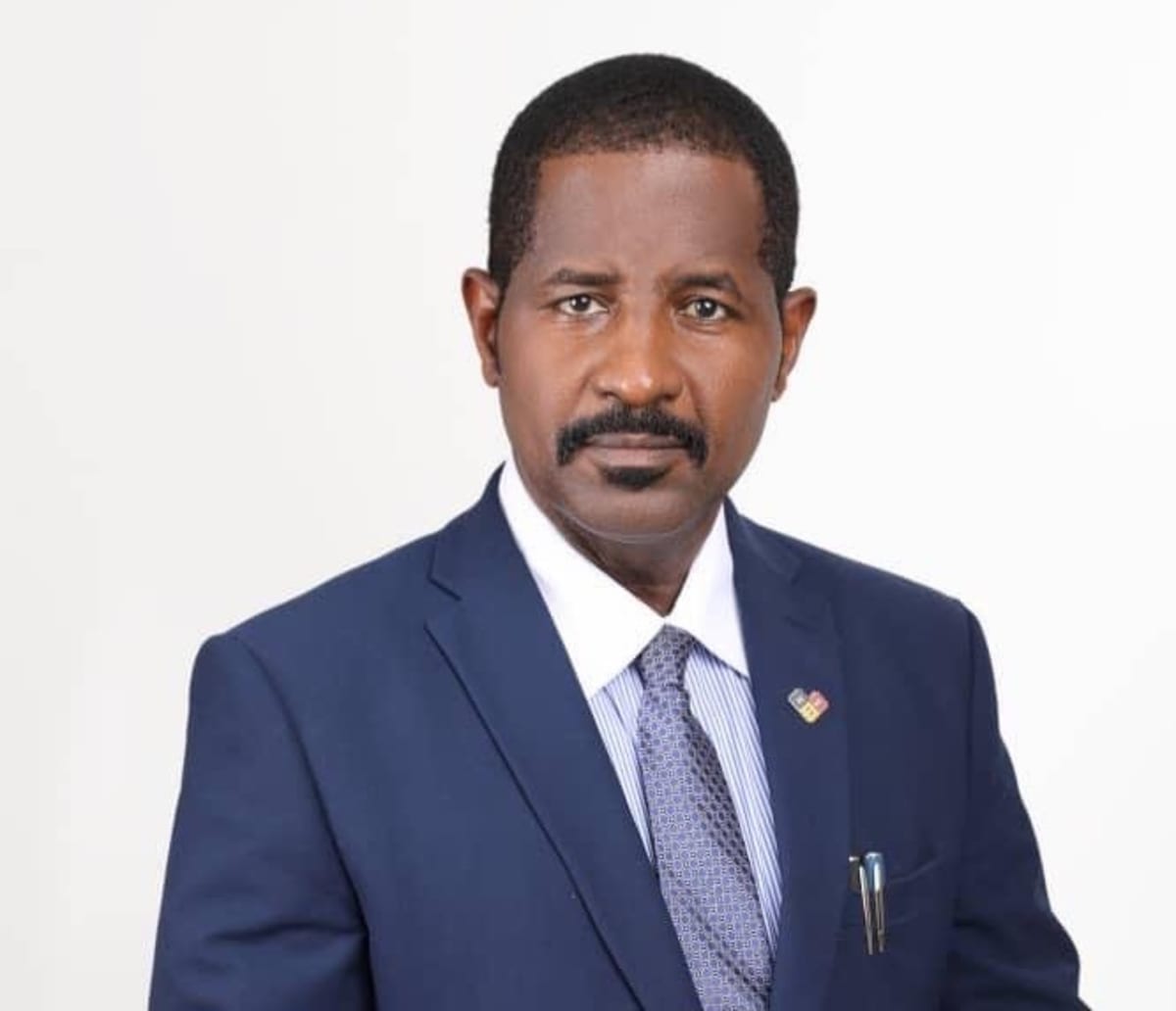
Dr. Bashir Gwandu, former head of Nigeria's Communications Commission, delivered a powerful call to action at the 2026 Spectrum Management Conference in Tunis this week. He urged African nations to unite and secure the 600MHz frequency band for mobile services, a move that could dramatically expand affordable 4G and 5G coverage to the continent's most isolated communities.
The timing matters. Global telecommunications leaders will gather later this year in Shanghai for the World Radiocommunication Conference, where they'll decide how different wireless frequencies get allocated worldwide. Gwandu wants African countries to arrive with a unified demand for the 600MHz band.
Why does this frequency matter so much? Low band spectrum like 600MHz travels farther and penetrates buildings better than higher frequencies. That means mobile carriers can cover vast rural areas with fewer cell towers, slashing deployment costs and making rural internet financially viable.
According to research Gwandu cited from the GSMA, adding just 50MHz of low band spectrum increases 4G coverage by seven percentage points and 5G coverage by 11 points. Rural users already spend nearly twice as much time connected to these low frequencies compared to city dwellers.
The 600MHz band would work alongside existing frequencies like 700MHz, 800MHz, and 900MHz, creating a powerful toolkit for bridging Africa's digital divide. Several African nations including Nigeria, Senegal, Tanzania, and Namibia already have secondary allocations in this range, but Gwandu argues they need primary status to fully unlock the spectrum's potential.
The Ripple Effect
Connecting rural Africa isn't just about streaming videos or social media. Internet access opens doors to online education, telemedicine, mobile banking, and e-commerce opportunities that can lift entire communities out of poverty.
Gwandu emphasized that spectrum managers hold their positions in public trust. Their decisions directly impact whether rural children can access online learning, whether farmers can check market prices, and whether remote health clinics can consult with specialists in cities.
He pointed out that despite massive investment in mobile infrastructure across Africa, coverage gaps persist. The question isn't whether countries can afford to allocate this spectrum for rural connectivity. It's whether they can afford not to.
Arab nations successfully secured primary mobile allocations in portions of this spectrum range at the last conference. Countries across the Americas and Asia Pacific already use various parts of the 470 to 698MHz range for mobile services. African nations now want equal access to this crucial resource.
Gwandu challenged his fellow policymakers to make bold decisions for the public good rather than avoiding difficult choices. As Africa prepares for Shanghai, his message resonates: connecting the unconnected isn't just a telecommunications goal but a foundation for economic growth and social inclusion across the continent.
More Images


Based on reporting by Premium Times Nigeria
This story was written by BrightWire based on verified news reports.
Spread the positivity!
Share this good news with someone who needs it