African Villages Save Lions With GPS Alerts and Guardians
Communities across Africa are proving that people and lions can coexist using innovative technology and traditional wisdom. Thanks to GPS tracking systems and trained local guardians, lion populations are rebounding while livestock losses plummet.
Living alongside lions is dangerous work, but communities across Africa are turning conflict into coexistence.
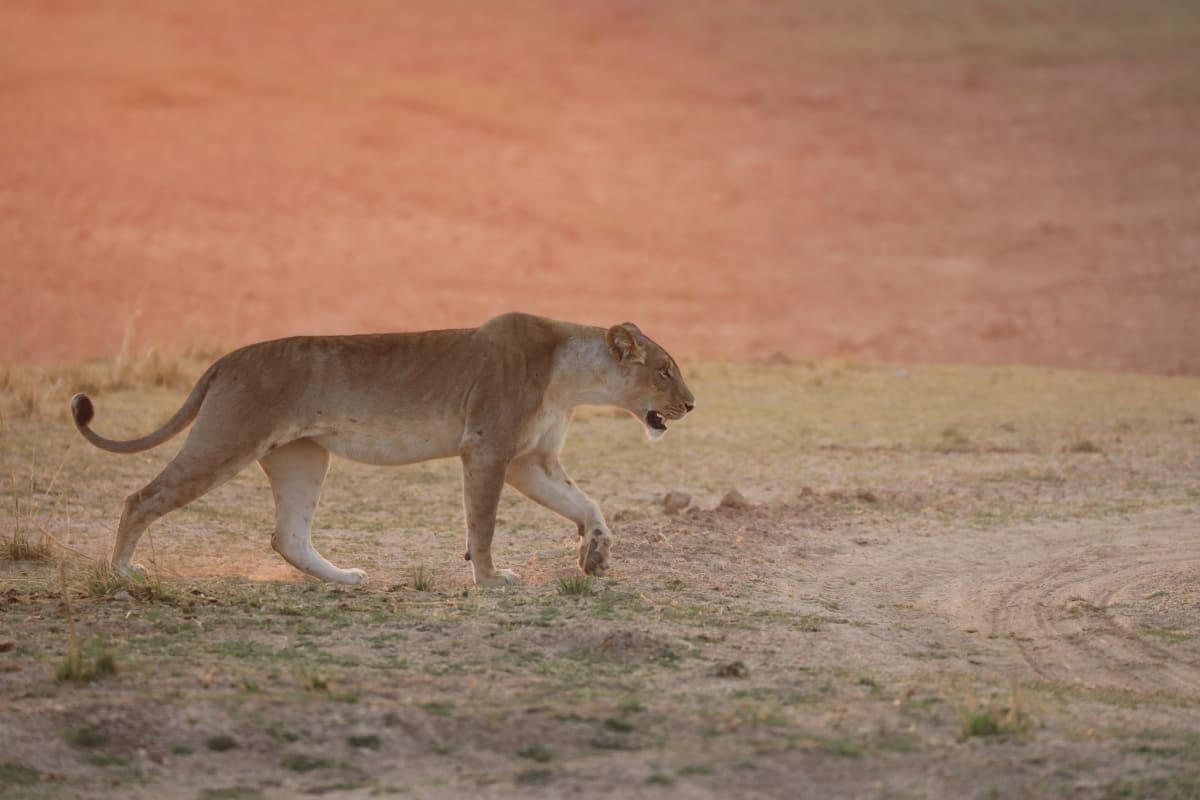
With fewer than 25,000 lions remaining worldwide, these majestic cats occupy just 6% of their historical range. Outside protected areas, lions kill livestock and occasionally threaten human lives, leading to retaliatory poisonings and killings.
But hope is roaring back thanks to community-led solutions that protect both people and predators.
In northern Zimbabwe, conservationist Moreangels Mbizah trains local volunteers called Batabilili, meaning "protectors" in the Tonga language. These community guardians track lions and help herders build secure livestock enclosures while promoting lion deterrents.
The program works. Conflicts between humans and lions have dropped significantly since the guardians started their patrols.
Mbizah's success earned her a prestigious Whitley Award in 2026, bringing $67,500 to recruit more Batabilili through her organization, Wildlife Conservation Action.
Technology is joining tradition in northern Botswana's Okavango Delta region. CLAWS Conservancy fitted lions with GPS collars that trigger automatic alerts when cats approach villages.
When a lion crosses within three miles of a homestead, residents receive instant warnings on their phones. "It's like a virtual fence," explains Andrew Stein from CLAWS Conservancy.
The results speak for themselves. Lion populations are rebounding in areas using the alert system, while cattle losses have plummeted and poisonings have nearly stopped.
In northern Kenya, the Samburu women's group Mama Simba has championed coexistence for over a decade. Their partnership with Ewaso Lions proves that including women in conservation efforts builds sustainable solutions with genuine community support.
The Ripple Effect
These programs show that conservation succeeds when communities lead the way. Families lose fewer cattle, earn income as guardians, and preserve wildlife that attracts tourism revenue to their regions.
The cultural connection runs deep too. Traditional Samburu beliefs hold that when a lion roars at night, good fortune is coming to the community.
By honoring both traditional wisdom and modern technology, these African communities are writing a new story where people and lions thrive together.
More Images



Based on reporting by Mongabay
This story was written by BrightWire based on verified news reports.
Spread the positivity!
Share this good news with someone who needs it