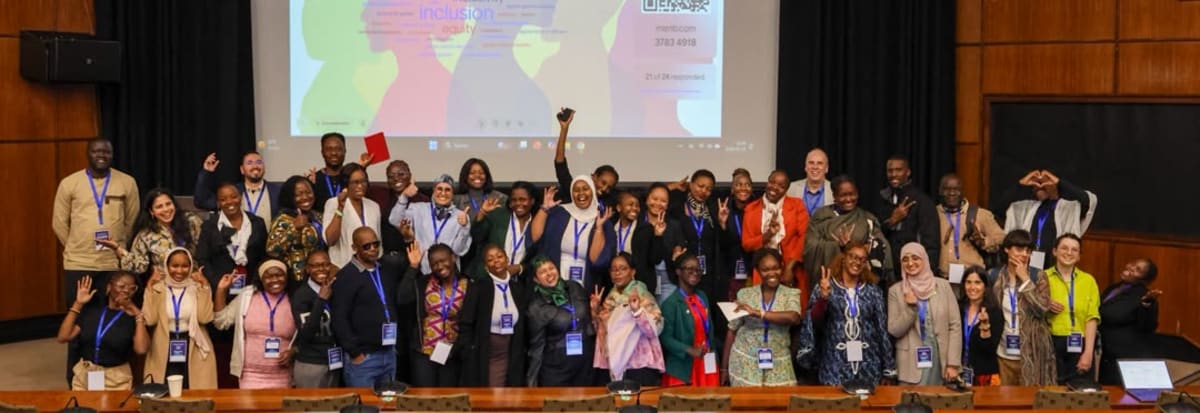
African Women Launch Network to Fight Air Pollution
Women across Africa are building a grassroots movement to reshape clean air policies, arguing that current approaches ignore how pollution affects women differently. What started as a small WhatsApp group now connects hundreds of women working to protect their communities from toxic air.
A simple WhatsApp chat started during the pandemic is transforming how Africa tackles air pollution, putting women's voices at the center of clean air advocacy.
In March 2020, Dr. Pallavi Pant and several colleagues created the Women in Air Quality network after noticing a glaring absence at environmental conferences. Despite accomplished female scientists working in the field, expert panels remained overwhelmingly male. That small group chat has since exploded into a movement connecting scientists, journalists, policymakers, architects, and activists across Africa and South Asia.
The network addresses a critical gap in clean air policy. Women in many African communities spend hours cooking over wood, charcoal, and animal dung, breathing dangerous smoke that causes respiratory illnesses. They care for children in polluted neighborhoods and work jobs with high exposure to harmful emissions.
"In many societies around the world, women are the primary caregivers for their families," said Dr. Pant, who heads Global Initiatives at the Health Effects Institute. Yet when governments design clean air policies focused on transport and urban planning, they rarely consider these daily realities.
Priscah Adrine Murabaca from Uganda knows this firsthand. Growing up in a rural village, she thought smoke-filled kitchens were simply normal life. Only after working in air quality did she connect household smoke with the serious health problems affecting women and children in her community.
Now she helps families make practical changes, like opening windows while cooking or moving stoves outdoors when possible. For families who cannot afford cleaner fuels yet, these small adjustments can reduce exposure to toxic smoke.
South African activist Ranela Ngobile battled asthma every winter growing up in Mpumalanga, a major coal-producing region. She assumed respiratory problems were just part of life until studying environmental science revealed the pollution making her sick. "Me being here is because I don't want other kids to also be so anxious but not know what is happening to them," she said.
Kenyan architect Mariam Wangeshi completely rethought her profession after hearing criticism that beautiful buildings mean nothing if they ignore public health. She now advocates for cities designed around how women actually live, considering school commutes, childcare needs, and safe public spaces.
The Ripple Effect
The network's informal approach is proving powerful. Women share research, support each other through career challenges, and coordinate advocacy efforts across borders. By connecting people working on everything from health data to urban design, they're building the integrated evidence needed to push for better policies.
The movement is already inspiring the next generation, with students like Tino Muponde joining to learn from experienced advocates while contributing fresh perspectives on environmental justice.
These women are proving that protecting communities from air pollution requires listening to the people breathing the dirtiest air every day.
Based on reporting by Myjoyonline Ghana
This story was written by BrightWire based on verified news reports.
Spread the positivity!
Share this good news with someone who needs it