Africa's Innovators Stifled by Red Tape, Says Top Scientist
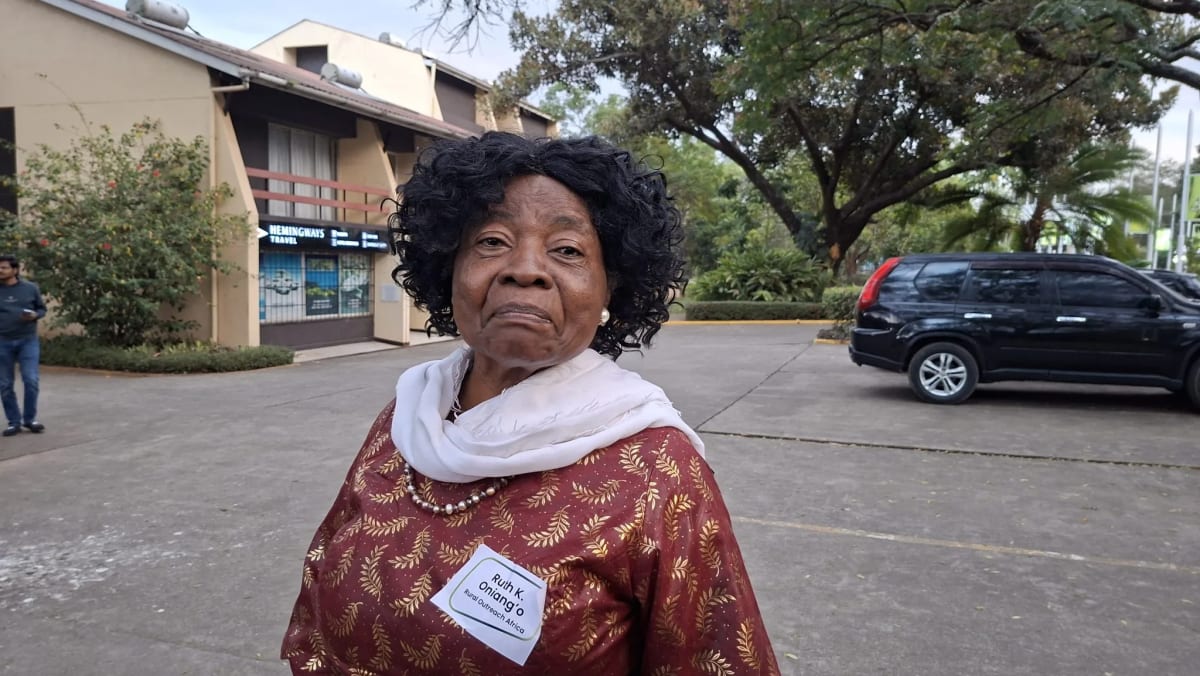
A leading food scientist is calling out African governments for blocking the continent's bioeconomy potential with unnecessary regulations that turn 2-year approvals into 8-year waits. Professor Ruth Oniang'o says streamlining these barriers could unlock jobs, investment, and Africa's path to becoming a global innovation leader.
African innovators creating everything from organic fertilizers to natural cosmetics are watching years slip by while bureaucrats shuffle paperwork that should take months, not nearly a decade.
Professor Ruth Oniang'o, a renowned food scientist and rural development expert, is sounding the alarm on regulatory systems across Africa that are choking innovation before it reaches the market. Speaking at the BioInnovate Africa boot camp in Nairobi, Kenya, she pointed to a frustrating reality: approval processes that should take two or three years are stretching to eight.
The delay isn't just an inconvenience. It's costing the continent jobs, investment, and the chance to lead the global shift toward natural and sustainable products.
Oniang'o challenged the logic behind current barriers, especially within regions that already share deep ties. Products moving between neighboring East African countries like Uganda, Kenya, and Tanzania face lengthy regulatory hurdles despite integration efforts meant to eliminate such friction. "What's the difference between Uganda and Kenya, or Tanzania and Kenya?" she asked.
The professor urged governments, lawmakers, and regulatory agencies to harmonize rules and streamline approval processes. She's calling on innovators themselves to become advocates, engaging parliamentarians and policymakers to push for reforms that support rather than suffocate progress.
The timing couldn't be more critical. Global demand for natural and organic products is surging as consumers prioritize health and sustainability. Africa, with its rich biodiversity and natural resources, is perfectly positioned to meet this demand with homegrown solutions in medicine, food, cosmetics, and environmentally friendly agricultural products.
But those solutions are stuck in laboratories instead of generating wealth, creating jobs, and transforming economies. Oniang'o challenged young Africans to stop waiting for employment opportunities and start creating them through innovation-driven businesses.
Kenya's strong research ecosystem and internationally recognized scientific institutions prove the foundation already exists. The International Centre of Insect Physiology and Ecology, where Oniang'o spoke, represents just one example of Africa's scientific capacity.
Why This Inspires
What makes Professor Oniang'o's message powerful isn't just the critique but the vision she's offering. She sees Africa's young innovators as future leaders of a global bioeconomy revolution, not victims of broken systems. Her call recognizes that policy barriers are human-made problems with human-made solutions.
She's also challenging everyone to play a role, from journalists making science accessible to everyday citizens understanding innovation's value in solving real challenges. This isn't about waiting for change from the top down. It's about demanding it from every direction.
Oniang'o, who has served on the BioInnovate Africa Programme Advisory Committee for over five years, remains optimistic despite the obstacles. "The sky is the limit," she said. "I have hope in the young people that they will make things happen."
More Images



Based on reporting by Google News - Africa Innovation
This story was written by BrightWire based on verified news reports.
Spread the positivity!
Share this good news with someone who needs it