Africa's New Safari Lodges Redefine Eco-Luxury Travel
A wave of stunning new safari lodges across Africa is transforming wildlife travel into design-forward, eco-conscious experiences that benefit local communities. From solar-powered mountain retreats to indigenous cultural exchanges, these properties prove luxury and sustainability can thrive together.
Africa's safari scene is getting a major glow-up, and the planet is winning too.
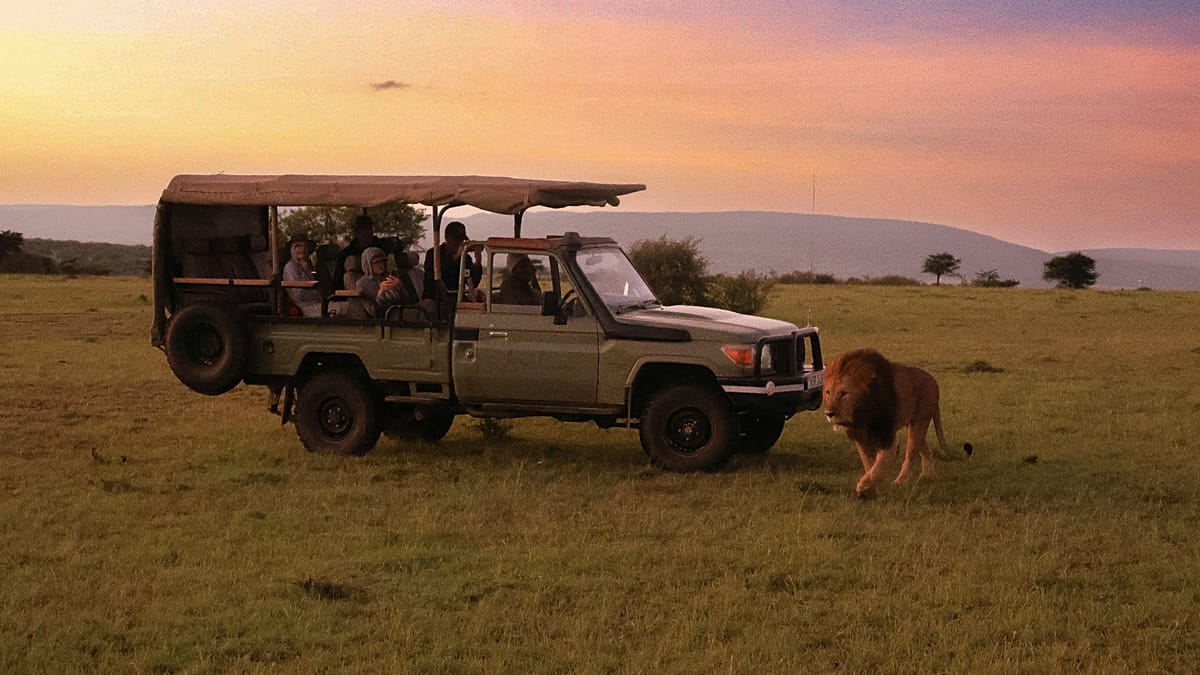
A collection of breathtaking new lodges opening across the continent this year is reimagining what luxury wildlife travel can look like. These aren't your typical canvas tent experiences—they're architectural marvels that run on solar power, harvest rainwater, and create meaningful connections between travelers and local communities.
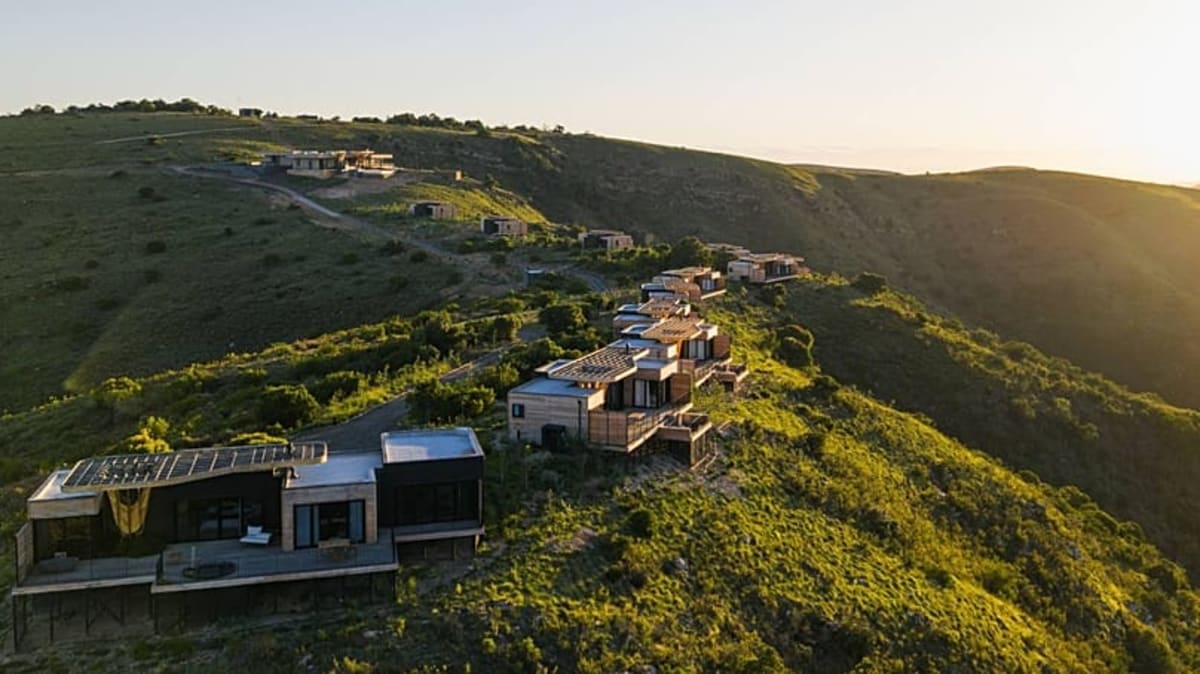
In South Africa's Addo Elephant National Park, Mantis Hiddn opened in March as a completely off-grid mountain retreat. The property features 12 suites with wood-heated outdoor tubs and operates entirely on solar energy with sophisticated water recycling systems. Every material used in construction was locally sourced to minimize environmental impact while supporting nearby suppliers.
Tanzania is welcoming an especially exciting addition with Auberge Safari, a collection of nine lodges spread across the Serengeti, Lake Manyara, and protected wildlife areas. The properties offer more than game drives—guests can share meals with the Datoga tribe and experience "Slow Safari," an approach that encourages unhurried wildlife encounters and deeper nature connection. Each camp uses elegant tented accommodations that blend seamlessly into palm-dotted landscapes where elephants, buffalo, and even leopards roam freely.
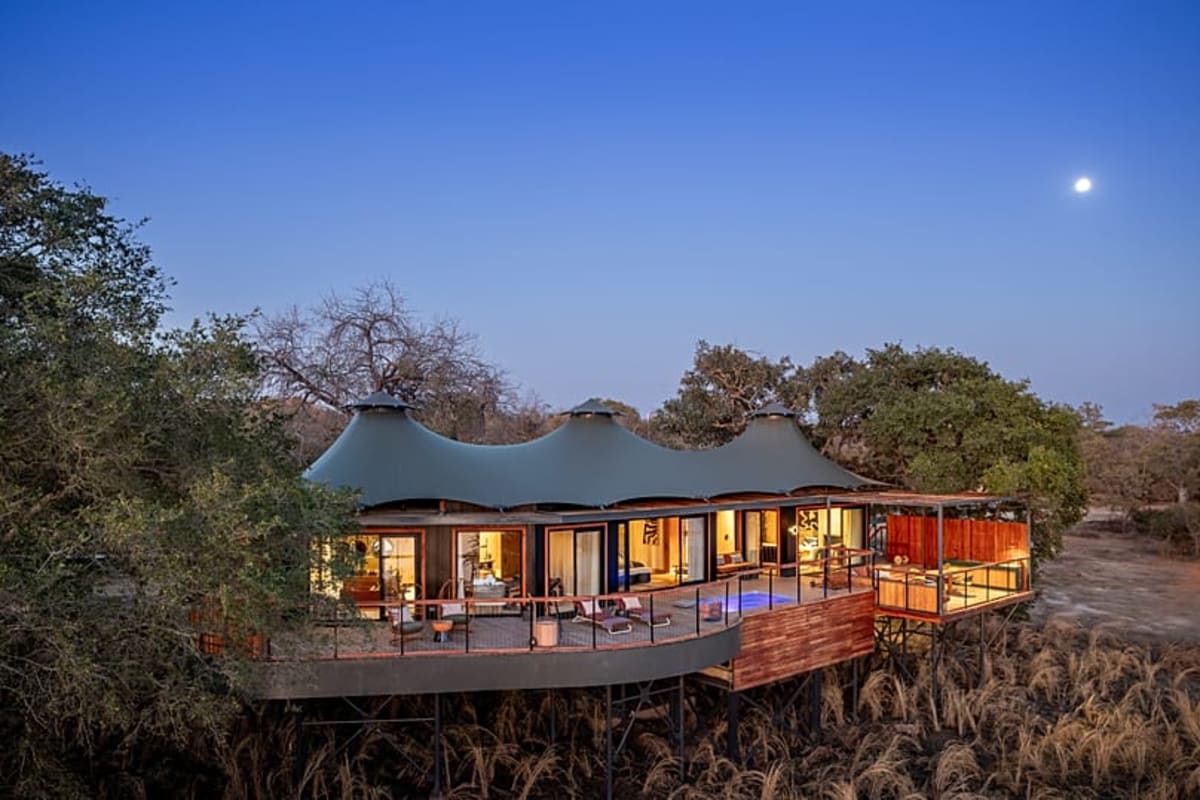
Over in Zambia's massive Kafue National Park, Anantara Kafue River Tented Camp takes wellness seriously. The on-site spa incorporates local traditions into its treatments, while chefs prepare meals from regional ingredients served everywhere from riverside picnics to traditional boma dinners. Guests stay in elevated tents with private plunge pools overlooking the Kafue River, where wildlife gathers at dawn and dusk.
Banyan Tree is entering the African safari market with Ubuyu in Tanzania's quieter Ruaha National Park. The lodge prioritizes design and calm spaces over constant activity, giving travelers permission to simply be present in nature. The region shelters endangered African wild dogs alongside the more famous Big Five, offering rare wildlife encounters without the crowds of northern Tanzania's busier parks.
The Ripple Effect
These lodges represent something bigger than beautiful vacation spots. By committing to renewable energy, water conservation, and local sourcing, they're proving that high-end tourism can actively support conservation efforts rather than threaten them.
The emphasis on cultural exchanges with indigenous communities creates economic opportunities that help protect traditional ways of life. When the Datoga tribe shares their heritage with Auberge Safari guests, they're not just offering an experience—they're ensuring their culture remains valued and viable for future generations.
The shift toward "slow safari" experiences also changes how travelers interact with ecosystems. Instead of racing between animal sightings, guests spend quality time observing behaviors, understanding landscapes, and developing genuine appreciation for conservation needs. That deeper connection often translates into long-term support for wildlife protection.
These properties are showing the travel industry that sustainability and luxury aren't opposing forces—they're the perfect partnership for protecting Africa's wild spaces while sharing their wonder with the world.
More Images
Based on reporting by Euronews
This story was written by BrightWire based on verified news reports.
Spread the positivity!
Share this good news with someone who needs it