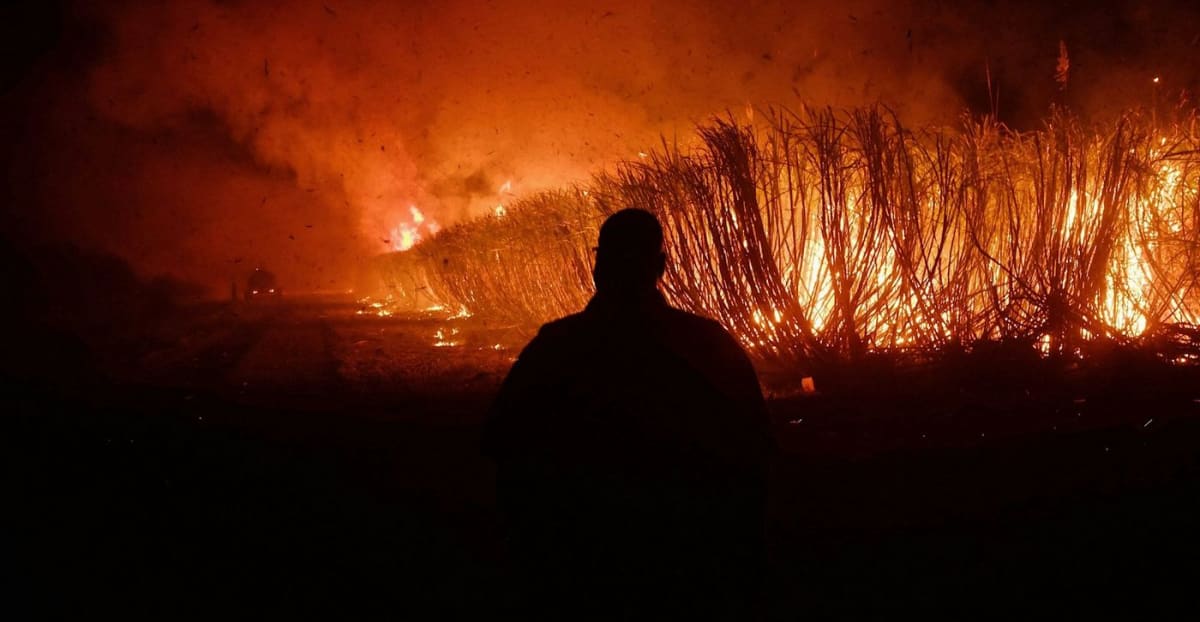
Africa's Wildfire Season Shrinking Thanks to Climate Shift
Scientists discovered that Africa's dry season is starting nearly two days later each decade, dramatically reducing the continent's massive wildfire problem. The surprising climate shift means less scorched land across the continent that produces 70% of the world's wildfires.
Africa's wildfire season is getting shorter, and researchers have finally figured out why.
Scientists at the Chinese Academy of Sciences discovered that changing rainfall patterns are delaying Africa's dry season, leading to significantly less land burned each year. This matters because Africa accounts for 70% of all wildfires globally and produces half of all wildfire-related carbon emissions worldwide.
The research team examined rainfall records from 1990 to 2023 and compared them with satellite fire observations between 2003 and 2022. What they found was remarkable: the dry season now starts about 1.75 days later each decade in northern Africa and 0.4 days later in the south.
That might not sound like much, but the impact is huge. The delayed onset means parched grasslands have less time to dry out and ignite, resulting in widespread declines in burned areas across the continent.
The change comes down to timing rather than total rainfall. The wet season isn't lasting longer or bringing substantially more water. Instead, more rain is falling later in the season, keeping the land moist longer and pushing back the start of fire season.
The biggest reductions in burned areas happened during peak fire months: December in northern Africa and August in the south. These are traditionally when a single spark can ignite dried grasses that burn for days.
The Ripple Effect
This discovery could transform how firefighters and land managers prepare for fire season across Africa. By understanding that late-season rainfall delays the dry period, officials can better predict fire risk and allocate resources more effectively.
The research also offers a rare example of climate change producing an unexpected positive outcome. While the study authors acknowledge some limitations in satellite detection of very small fires, the overall trend toward shorter fire seasons represents genuine progress for communities, wildlife, and ecosystems across the continent.
For farmers, wildlife rangers, and millions of people living in fire-prone areas, these extra days of moisture could mean the difference between devastating losses and protected landscapes.
This new understanding of rainfall patterns gives communities better tools to prepare for what's coming and protect what matters most.
More Images
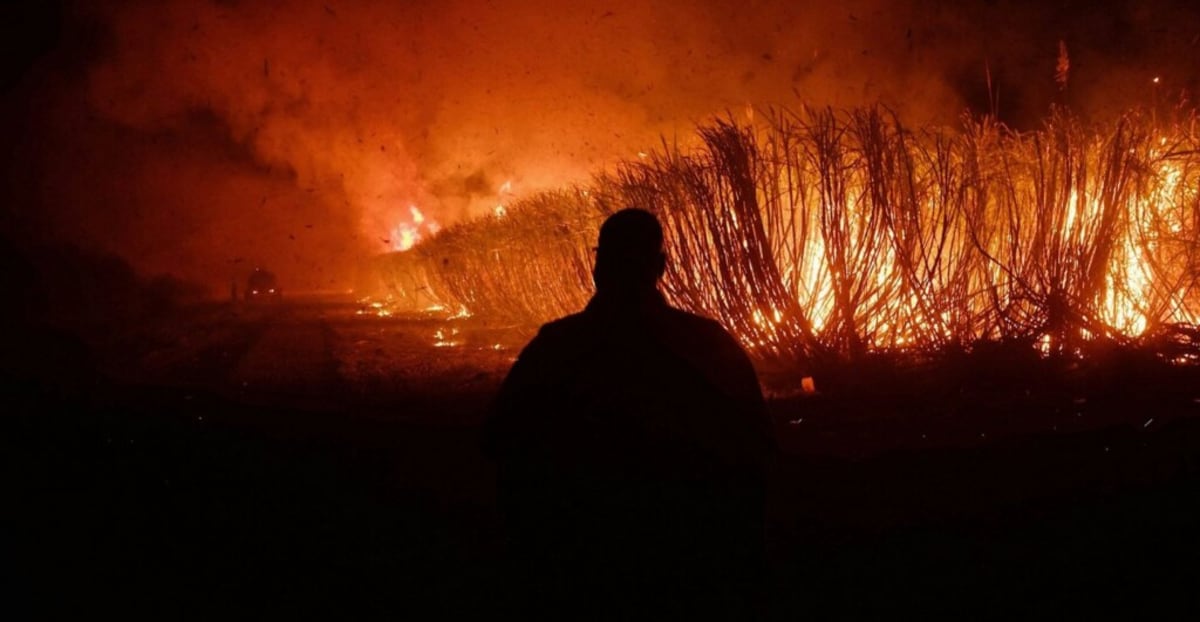
Based on reporting by Good News Network
This story was written by BrightWire based on verified news reports.
Spread the positivity!
Share this good news with someone who needs it