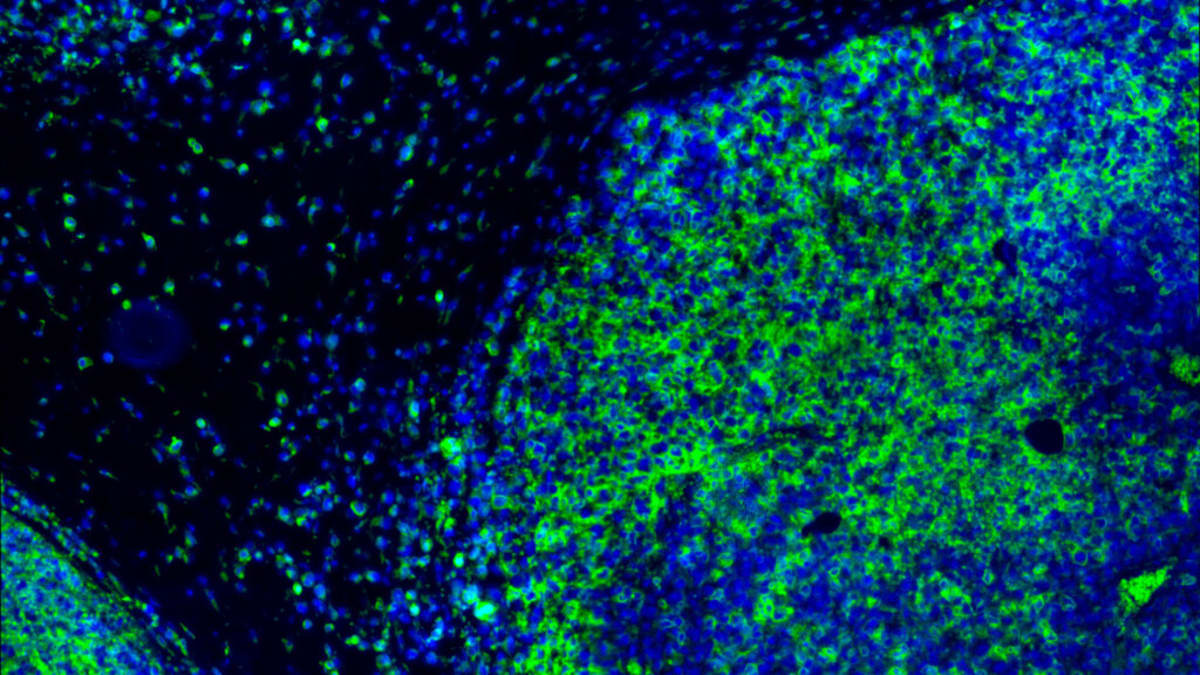
After 15 Years of Failures, Cancer Drug Shows Real Promise
A biotech company just achieved what industry giants couldn't for 15 years: making a promising cancer immunotherapy targeting OX40 actually work. The breakthrough offers new hope for patients with certain head and neck cancers.
For 15 years, pharmaceutical giants like Pfizer, Genentech, and AstraZeneca tried and failed to turn a protein called OX40 into an effective cancer weapon. Now a smaller company called Inhibrx has finally cracked the code.
The San Diego biotech announced Tuesday that their experimental immunotherapy showed real responses in patients with head and neck cancer. The strongest results appeared in patients with HPV-positive tumors, a specific subset of this cancer type.
"It's just really gratifying for us," said CEO Mark Lappe. "Pushing this is like a rock up a hill, because there's been so much failure in the space."
OX40 has tantalized researchers for over a decade because of how it works in theory. The protein sits on immune cells and acts like a gas pedal, revving them up to fight cancer more aggressively. But translating that promise into actual patient benefits proved maddeningly difficult for years.
Multiple major drugmakers poured resources into OX40-targeting therapies throughout the 2010s and early 2020s. Each attempt fell short in clinical trials, leading many in the industry to write off the approach entirely.
Inhibrx took a different angle. While the company hasn't disclosed full trial details yet, their approach appears to have overcome the obstacles that stopped their predecessors.
The Ripple Effect
This breakthrough matters beyond just one drug or one company. When a long-dormant target finally works, it often reopens entire fields of research that scientists had abandoned.
Other biotechs may now revisit their shelved OX40 programs with fresh eyes, applying lessons from Inhibrx's success. Patients with head and neck cancers, which affect over 66,000 Americans annually, could eventually see multiple new treatment options emerge from this discovery.
The achievement also demonstrates why persistence matters in drug development. Some of medicine's biggest wins came after years of failed attempts taught researchers what not to do.
While the therapy worked best in HPV-positive tumors, which represents a smaller patient population, it still validates the underlying science. Future versions might expand to help more people.
For now, patients and doctors have something they haven't had in 15 years: proof that OX40-targeting immunotherapy can actually work when designed right.
More Images



Based on reporting by STAT News
This story was written by BrightWire based on verified news reports.
Spread the positivity!
Share this good news with someone who needs it
.jpg%3Ftrim%3D381%2C760%2C3083%2C699%26width%3D1200%26height%3D800%26crop%3D1200%3A800)