New Drug Combo Targets Aggressive Prostate Cancer
Scientists at the University of Michigan discovered a two-drug approach that reverses how aggressive prostate cancers hide from treatment, sharply slowing tumor growth in lab experiments. The breakthrough could help patients whose cancers have stopped responding to standard hormone therapy.
Scientists just found a way to attack prostate cancers that disguise themselves to escape treatment.
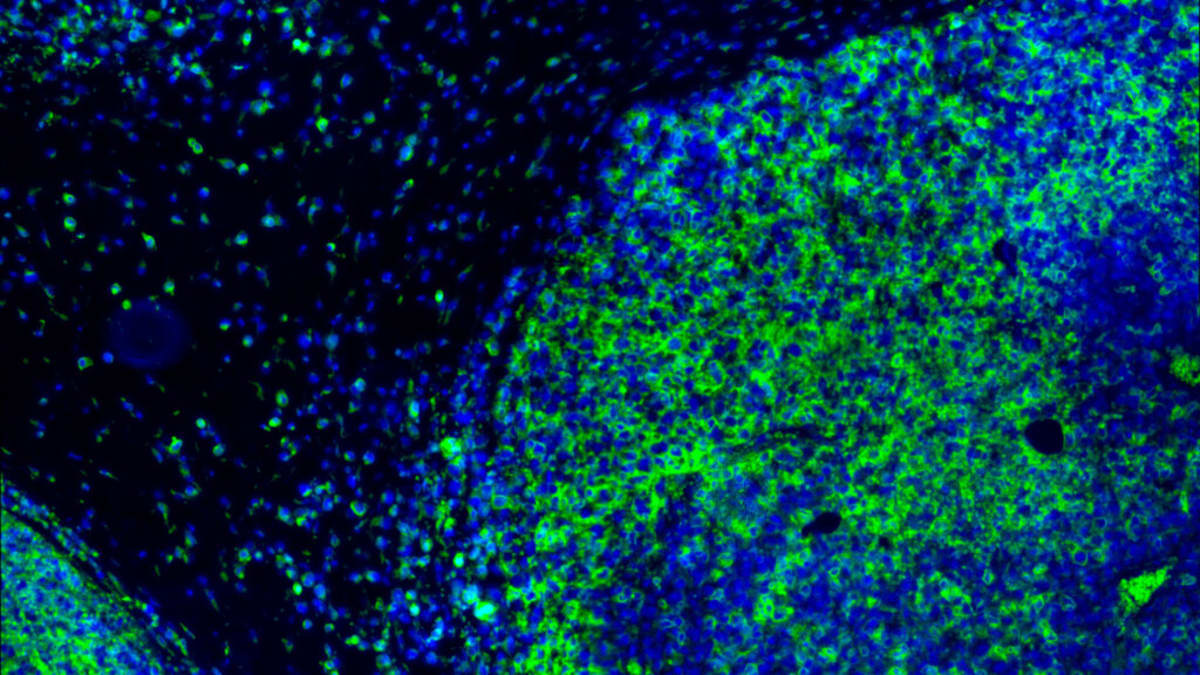
Researchers at the University of Michigan identified a drug combination that targets aggressive prostate tumors from two directions at once. In preclinical experiments, the approach reversed many genetic changes that help cancer cells hide and dramatically slowed tumor growth.
About one in eight men will face a prostate cancer diagnosis in their lifetime. Most tumors initially respond well to hormone-blocking drugs that cut off the testosterone supply cancer cells need to grow.
But nearly all patients with advanced disease eventually develop resistance. Some tumors survive by completely changing their cellular identity, transforming from gland-like cells into different cell types that no longer depend on hormones.
Scientists call this shape-shifting process transdifferentiation. It typically happens when tumors lose two protective genes, TP53 and RB1, though researchers didn't fully understand why until now.
The Michigan team studied what happens inside cancer cells during this transformation. They discovered two parallel changes: the loss of normal glandular genes and the activation of stem cell programs that let cancer cells adopt new identities.
That insight led them to test two different drug types together. BET bromodomain inhibitors block the pathways that allow cells to switch identities. DNMT inhibitors, already FDA-approved for blood cancers, can reawaken silenced glandular genes.
Neither drug worked well alone. But when researchers combined them in cancer cell lines and mouse models, tumor growth dropped significantly even at doses far lower than typical recommendations.
The drug combination reversed a substantial portion of the genetic changes that occur when prostate cancer cells transform. Mice tolerated the treatment well, with no concerning side effects at the doses tested.
The Bright Side
This discovery could extend beyond prostate cancer. Lung and pancreatic cancers also use transdifferentiation to escape treatment, and the same drug strategy might work against those diseases too.
The research team now wants to identify which patients would benefit most from this approach. They're searching for biomarkers that reveal whose tumors are likely to undergo this transformation.
An even more exciting possibility is catching the change before it happens. Preventing transdifferentiation entirely, rather than treating it after the fact, could be key to keeping patients alive longer.
The team is working toward clinical trials to test whether this drug combination can help patients whose prostate cancers have already changed identity. Early intervention studies may follow to stop the transformation before it starts.
Thousands of men whose cancers have stopped responding to hormone therapy may soon have a powerful new option.
Based on reporting by Google News - New Treatment
This story was written by BrightWire based on verified news reports.
Spread the positivity!
Share this good news with someone who needs it
.jpg%3Ftrim%3D381%2C760%2C3083%2C699%26width%3D1200%26height%3D800%26crop%3D1200%3A800)