After 50 Years, Computing Enters Bold New Era of Innovation
Moore's Law, the rule that guided half a century of predictable computing advances, has reached its natural limits. Instead of one path forward, engineers are pioneering multiple exciting strategies that promise smarter, more specialized computers.
For 50 years, computers got faster in a remarkably predictable way, but that era of automatic progress has ended and something better is beginning.
Moore's Law, named after scientist Gordon Moore, observed that computer chips doubled their transistor count roughly every two years. This meant faster processors, better weather forecasts, realistic graphics, and eventually the machine learning systems transforming our world today.
The rule worked because transistors kept shrinking. But physics eventually sets limits, and engineers have now reached the point where making transistors smaller no longer delivers the same automatic speed gains.
What comes next isn't a single breakthrough but a smarter approach to building computers. Engineers are redesigning transistors to waste less energy and stacking chip components vertically instead of spreading them flat, which reduces the distance data travels.
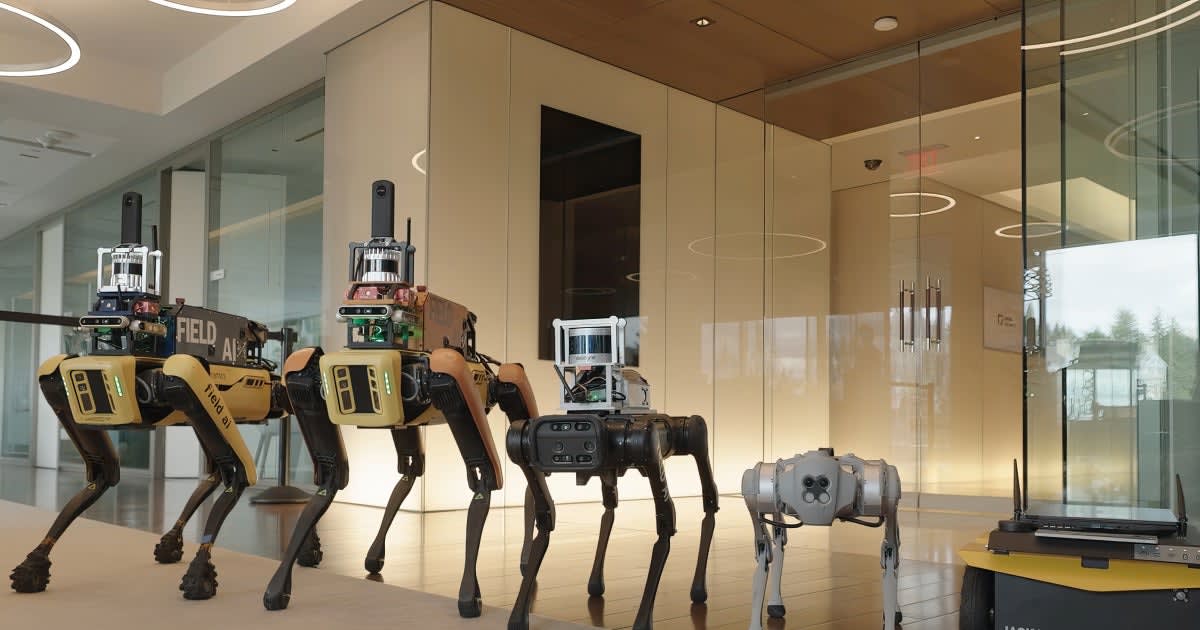
The most promising change is specialization. Modern systems combine different types of processors working together like a well-coordinated team. Traditional CPUs handle decision-making while graphics processors tackle visual tasks and AI accelerators crunch massive parallel calculations.
This teamwork approach already powers the AI tools making daily life easier, from smartphone assistants to medical diagnostics. Performance now depends on how well these specialized components collaborate rather than raw speed alone.
Researchers are also exploring quantum processors that harness quantum science and photonic processors using light instead of electricity. These won't replace conventional computers but will tackle specific complex problems where traditional machines struggle, like optimization challenges or intricate simulations.
At the recent Supercomputing SC25 conference in St. Louis, engineers showcased hybrid systems combining traditional processors with these emerging technologies. The focus has shifted from replacing what works to expanding what's possible.
Why This Inspires
This transition represents human ingenuity at its finest. When one path reached its natural end, engineers didn't accept limits but instead found multiple creative solutions. The post-Moore era demands more thoughtful design, but it also opens doors to computers tailored for specific breakthroughs rather than general incremental gains.
For everyday users, this means AI applications, navigation tools, and medical diagnostics may leap forward while basic computing improves more gradually. Progress becomes less uniform but potentially more impactful where it matters most.
Computing's future isn't about automatic improvements inherited from smaller transistors but about intentional innovation designed to solve real problems. That shift from inevitability to creativity makes this moment genuinely exciting.
The era of predictable progress has ended, but the era of purposeful innovation has just begun.
More Images

Based on reporting by Phys.org - Technology
This story was written by BrightWire based on verified news reports.
Spread the positivity!
Share this good news with someone who needs it