AI Agents Team Up to Rescue Battery Metals from E-Waste
Scientists just built a squad of AI agents that work together to extract valuable metals from dead batteries, turning electric vehicle waste into a domestic supply of critical materials. The breakthrough could eliminate millions in metal imports while slashing chemical waste.
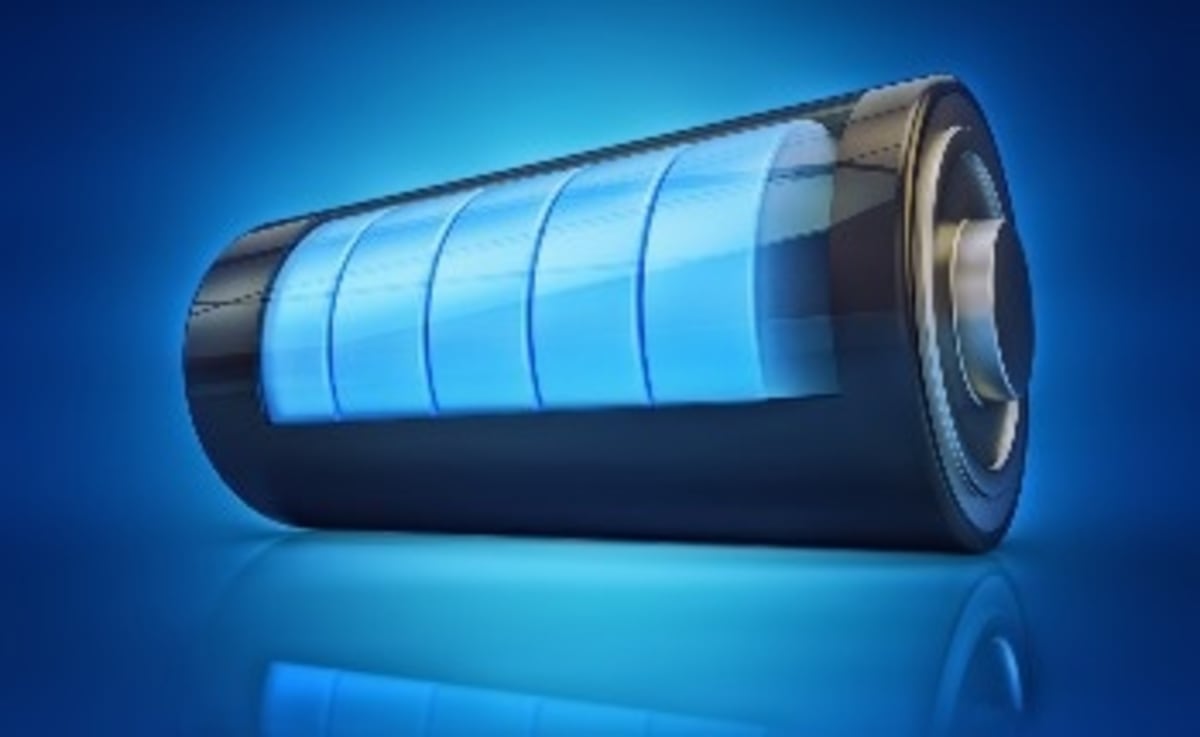
Your old electric vehicle battery contains tens of pounds of cobalt, nickel, and manganese just waiting to be rescued, and now a team of AI agents is learning to get them out.
Researchers at Stanford's SLAC National Accelerator Laboratory and the University of Southern California just launched a project that treats metal recovery like a team sport. Instead of one AI doing all the work, they're assembling multiple specialized AI agents that collaborate like expert consultants, each bringing knowledge from different fields ranging from biochemistry to geology.
Here's why that matters. Right now, extracting valuable metals from spent lithium-ion batteries is messy, expensive, and frustrating. It requires huge amounts of chemicals, generates tons of waste, and involves endless trial and error. Meanwhile, America imports most of these critical minerals despite sitting on a gold mine of dead batteries.
The AI team will work differently. One agent might propose a separation strategy based on geological principles, while another evaluates it through a biochemistry lens. They'll suggest specific extraction pathways, test new approaches in real experiments, and learn from what works and what doesn't.
The goal sounds ambitious but achievable: recover target metals at 80 percent purity or better within nine months, all while benchmarking their performance against traditional research methods. Lead researcher Ahamed Irshad Maniyanganam says the AI-experiment cycles should dramatically speed up discovery compared to conventional literature searches.
This project is part of the Genesis Mission, a massive national initiative bringing together government labs, universities, and industry to combine AI with supercomputing and advanced scientific instruments. The Department of Energy announced funding for this battery recycling project alongside 10 other breakthrough efforts at a summit in Washington, D.C.
The Ripple Effect
The implications stretch far beyond cleaner recycling. Every electric vehicle battery that gets efficiently recycled means less mining, fewer imports from overseas, and a more secure domestic supply chain for the technologies powering our clean energy future.
Scientists across the country are tackling similar challenges through Genesis Mission projects focused on fusion energy, particle physics, and biotechnology. SLAC's role connects its world-leading scientific facilities and datasets with cutting-edge AI development, creating a blueprint for how artificial intelligence can accelerate real-world solutions.
The nine-month timeline means results could arrive quickly, proving whether teams of specialized AI agents can outperform traditional research methods in solving complex chemical puzzles.
If it works, that pile of dead batteries stops being waste and starts being treasure.
More Images

Based on reporting by Google: scientific discovery
This story was written by BrightWire based on verified news reports.
Spread the positivity!
Share this good news with someone who needs it