AI and DNA Tech Now Track Earth's Health in Real Time
Scientists are combining environmental DNA analysis with artificial intelligence to monitor ecosystems as they change, turning luxury cruise ships into floating laboratories. This breakthrough could help us protect endangered species and adapt to environmental shifts faster than ever before.
Every living creature leaves behind an invisible genetic trail wherever it goes, and scientists are now using AI to read these clues faster than we ever imagined possible.
Environmental DNA, or eDNA, floats through water, drifts in air, and lingers in soil after any organism passes through. A fish swimming by, a bird flying overhead, even microscopic plankton leaves traces of genetic material behind.
Scientists first noticed these genetic breadcrumbs decades ago, but the technology to read them was painfully slow. Now, powerful DNA sequencing can identify thousands of species from a single water sample in just one day.
The challenge isn't collecting the data anymore. It's making sense of it all.
"Researchers can spend months looking through that data to try to understand what are the most interesting and powerful stories coming out of it, but AI could do it in seconds," said Zachary Gold, research lead at NOAA's Pacific Marine Environmental Laboratory.
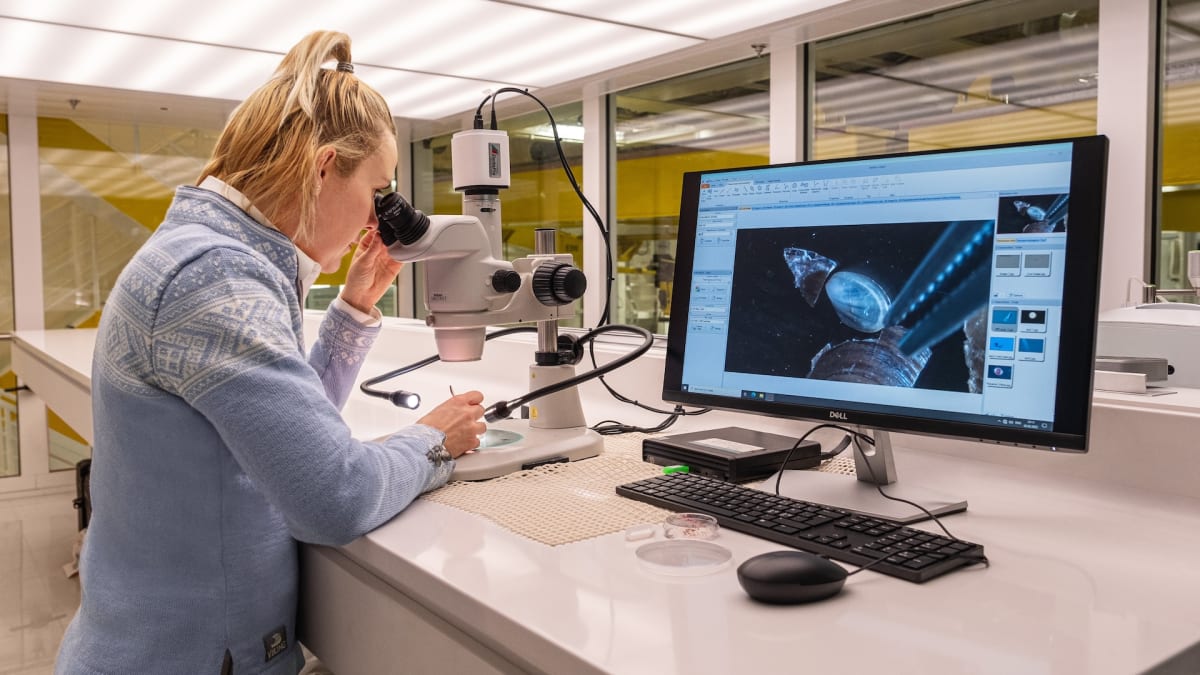
Here's where it gets really interesting. Viking cruise ships now carry pristine laboratories equipped with multimillion dollar technology alongside their luxury lounges and fine dining rooms.
As the ships travel through different waters, scientists onboard collect samples and analyze them in real time. They're creating living maps of ocean ecosystems, tracking which species live where and how those populations change.
This partnership between Viking and NOAA transforms passenger vessels into an army of floating research stations, gathering data across vast stretches of ocean that would be impossible for traditional research ships to cover.
The technique is already revealing the locations of endangered species scientists thought were lost. It shows if predators are lurking in areas where humans and wildlife might conflict. It maps entire food webs without catching a single fish.
The Ripple Effect
Beyond discovering what lives where, this technology could fundamentally change how quickly we respond to environmental shifts. Imagine detecting harmful algae blooms before they devastate fisheries, or tracking invasive species the moment they arrive in new waters.
Traditional ecosystem monitoring required months of lab work after collecting samples. By the time scientists understood what was happening, the situation had often already changed.
AI powered analysis means we could spot problems and opportunities in near real time. Fisheries could adjust protected areas based on current data instead of year old surveys. Conservation teams could respond to species movements as they happen.
The computing power that once took years of scientist time now happens in seconds. What seemed like science fiction just a decade ago is becoming routine practice on ships carrying vacationers to Antarctica and the Great Lakes.
We're building a real time picture of how our planet's ecosystems actually work, one water sample at a time, and we can finally process it fast enough to make a difference.
More Images


Based on reporting by Live Science
This story was written by BrightWire based on verified news reports.
Spread the positivity!
Share this good news with someone who needs it