AI Blood Test Detects Liver Cancer 4x Better Than Ultrasound
A simple blood test now catches early-stage liver cancer four times more effectively than traditional ultrasound scans, offering new hope for the 90% of high-risk patients who skip screening. The breakthrough could save thousands of lives by detecting America's fastest-growing cancer when it's still highly treatable.
Detecting liver cancer early just got dramatically easier, thanks to a blood test that's four times better at catching the disease in its earliest stage than standard ultrasound screening.
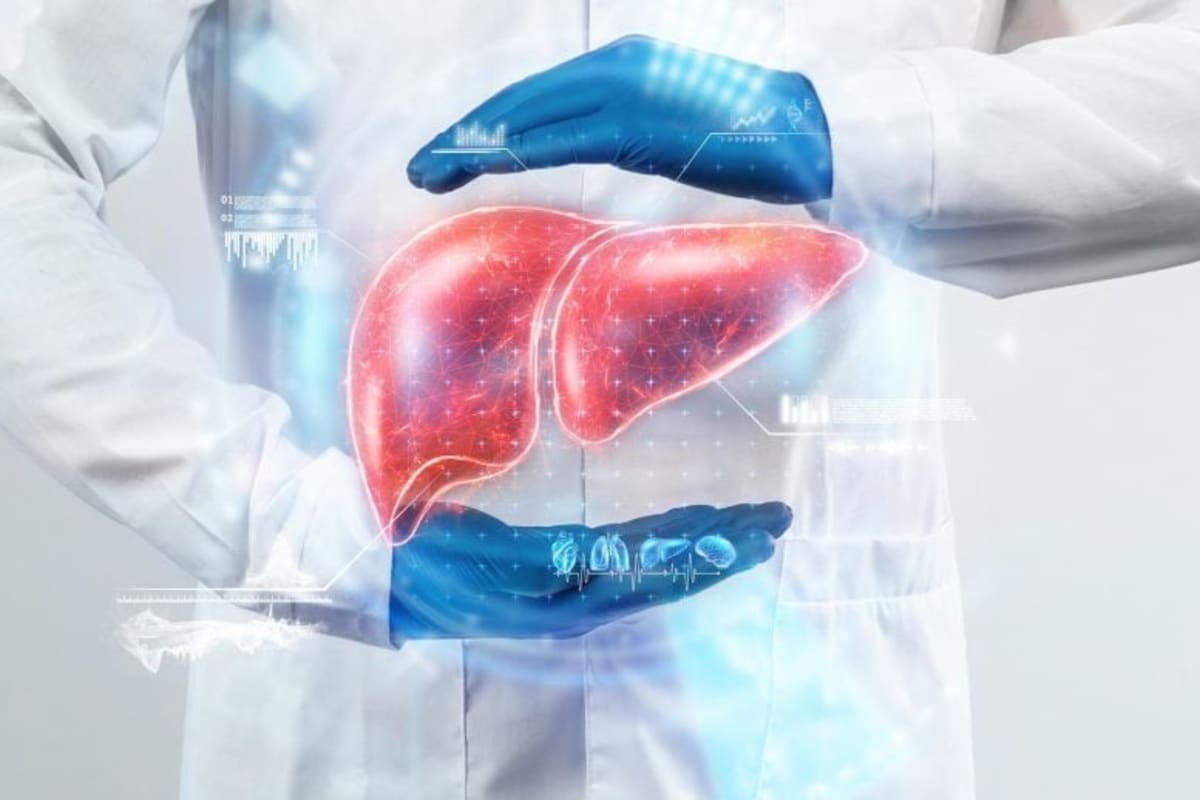
HelioLiver, developed by California-based Helio Genomics, uses artificial intelligence to analyze DNA patterns and protein biomarkers from a simple blood draw. The test addresses a critical problem: up to 90% of at-risk patients skip their recommended ultrasounds due to inconvenience or access barriers, allowing cancers to grow undetected until it's too late.
Liver cancer has become a silent epidemic in America. Incidence rates have tripled and deaths have doubled since 1980, making it one of the fastest-rising causes of cancer deaths in the country. The tragedy is that when caught early, the five-year survival rate jumps to 70%, but most cases aren't found until late stages when symptoms finally appear.
The new test proved its worth in the CLiMB trial, the first major prospective study of its kind in the United States. Nearly 2,000 patients across 50 clinical sites participated, and the results were striking: HelioLiver caught early-stage tumors that ultrasounds missed in high-risk patients with cirrhosis or hepatitis B.
Now Helio Genomics has partnered with Syneos Health to bring the test to hepatologists and gastroenterologists nationwide. Medicare already covers the test at $662 per screening, and Quest Diagnostics is making it available through 7,700 patient service centers across the country.
Dr. Bharat Tewarie, CEO of Helio Genomics, sees the partnership as a turning point. The collaboration will help doctors who manage high-risk populations learn about and adopt this screening method, potentially reaching millions of Americans with liver disease who need better monitoring options.
The Ripple Effect
The breakthrough extends beyond just one test. It represents a new approach to cancer screening that fits seamlessly into existing care routines without requiring expensive imaging appointments or specialized facilities. Patients can get tested during regular blood work, eliminating the logistical hurdles that keep so many from getting screened.
For the estimated millions of Americans living with cirrhosis from hepatitis, alcohol use, or obesity-related liver disease, this means a realistic path to the twice-yearly monitoring that guidelines recommend but most never receive. Better screening means more cancers caught when curative treatments actually work.
The technology combining AI with multiple biomarkers could also pave the way for similar blood-based tests for other hard-to-detect cancers, turning a simple doctor's visit into a potentially life-saving screening opportunity.
Early detection transforms liver cancer from a death sentence into a survivable disease, and now that detection just got a whole lot more accessible.
Based on reporting by Google News - Health Breakthrough
This story was written by BrightWire based on verified news reports.
Spread the positivity!
Share this good news with someone who needs it