Hormone Shields Liver From Damage Beyond Weight Loss
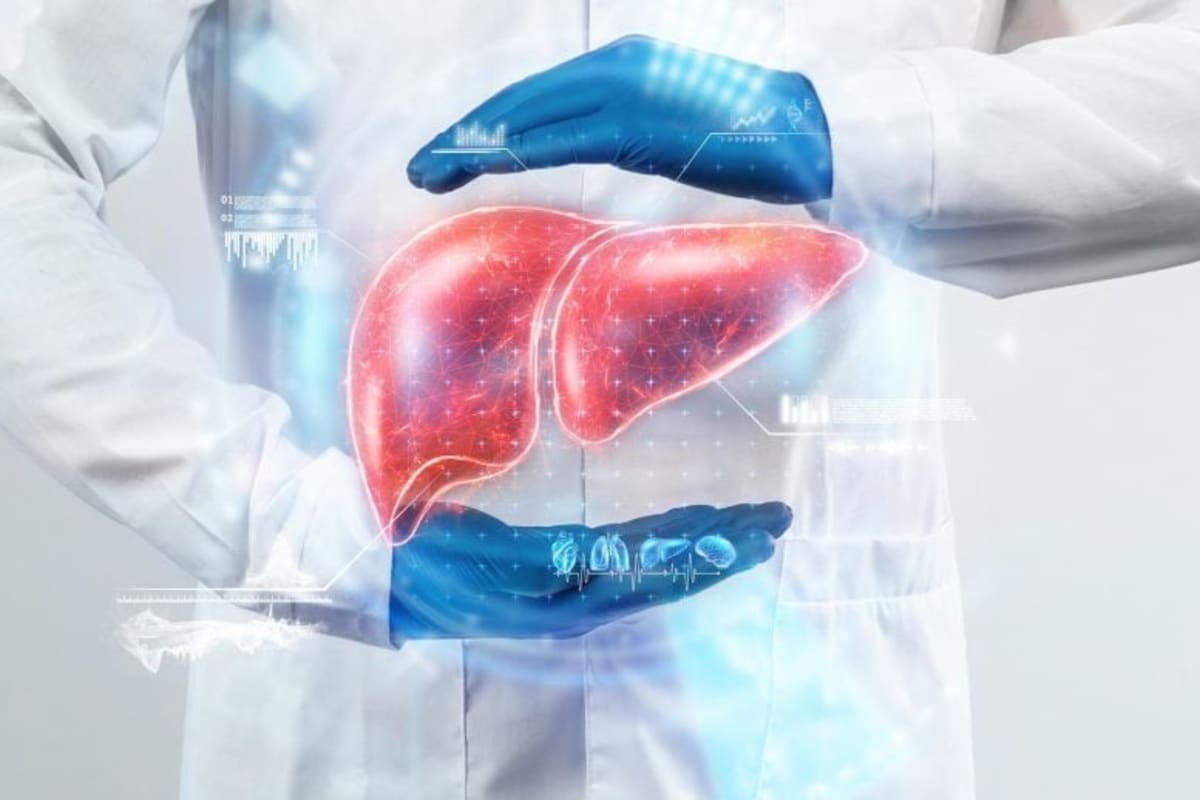
Scientists at McMaster University discovered a hormone that protects the liver from inflammation through a brain pathway, offering new hope for millions with advanced fatty liver disease. The breakthrough reveals the body's own defense system could inspire treatments that work even when weight loss doesn't help.
A hormone known for curbing appetite might also be quietly protecting your liver from dangerous inflammation, and scientists just figured out how.
Researchers at McMaster University discovered that GDF15, a hormone that helps with weight loss, activates a hidden brain-to-liver pathway that calms inflammation and reduces scarring. The finding matters because it works even when patients don't lose weight.
Metabolic dysfunction-associated steatohepatitis, or MASH, affects millions worldwide and can progress to cirrhosis, liver cancer, and liver failure. Current treatments focus on reducing body weight and liver fat, but inflammation often persists despite significant weight reduction.
The McMaster team studied mouse models that closely resemble human MASH, using advanced genetic and spatial transcriptomics methods. They found that GDF15 triggers signals from the brain through the nervous system, causing the release of glucocorticoids.
These steroid hormones, which play roles in metabolism and immune function, reduced liver inflammation independently of food intake, body weight, or liver fat. The hormone also slowed liver fibrosis, the dangerous buildup of scar tissue that comes with advanced disease.
"GDF15 does much more than regulate appetite and body weight," says Gregory Steinberg, professor in McMaster's Department of Medicine and senior author of the study published in Cell Metabolism. "We discovered that GDF15 activates a natural brain-to-liver signaling pathway that helps suppress liver inflammation and reduce fibrosis."
Assistant professor Dongdong Wang, the study's first author, explains that GDF15 helps reprogram liver cells using advanced spatial technology. Instead of causing damage, the hormone shifts immune cells into a more protective and less active state, helping reduce inflammation and prevent liver injury.
The Ripple Effect
This discovery builds on the team's 2023 research showing GDF15 helps maintain calorie burning during weight loss. Together, the studies reveal the hormone has dual protective functions that could reshape how doctors approach liver disease treatment.
The implications extend far beyond the laboratory. Understanding how the body naturally protects the liver opens new doors for developing therapies that directly target inflammation, which remains one of the hardest aspects of MASH to treat.
Future treatments could combine weight loss approaches with therapies that directly calm liver inflammation. By working with the body's own defense mechanisms rather than against them, doctors might finally help the millions of people for whom weight loss alone isn't enough.
The research points toward a future where treatments work smarter, not just harder, against liver disease.
More Images

Based on reporting by Google News - Scientists Discover
This story was written by BrightWire based on verified news reports.
Spread the positivity!
Share this good news with someone who needs it