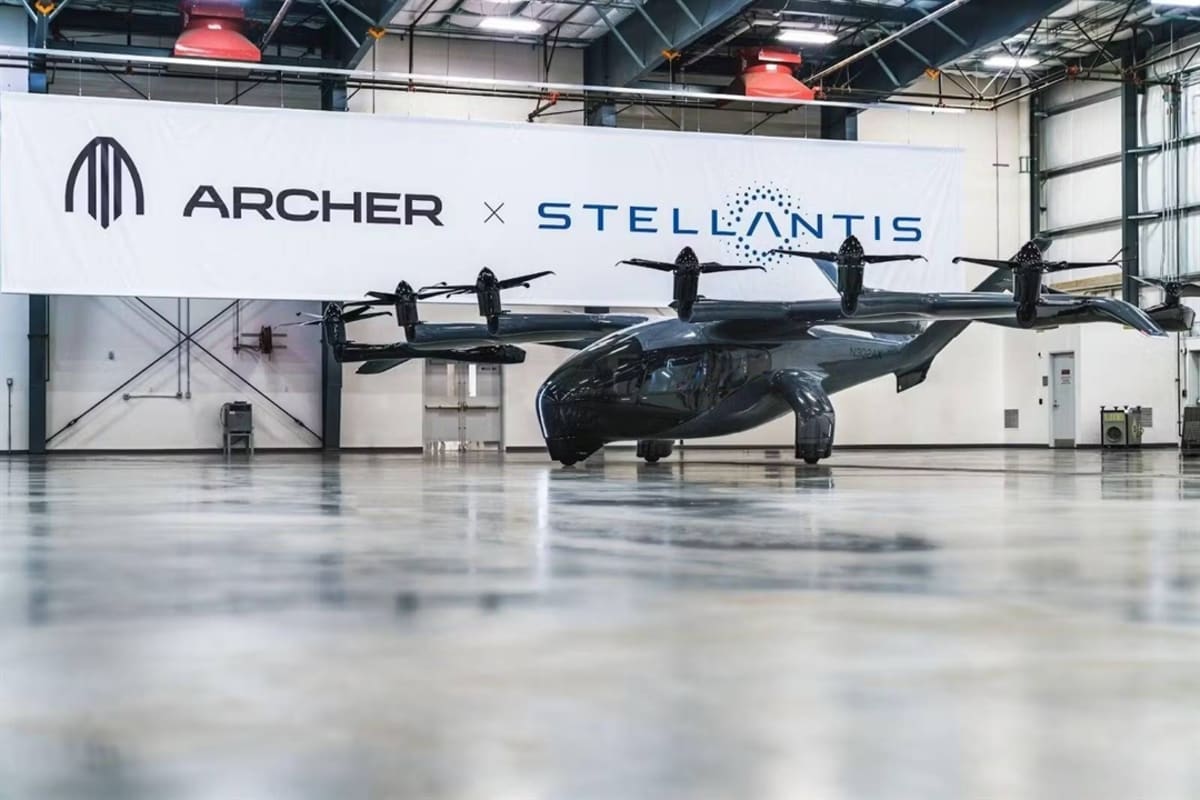
AI Breakthrough Slashes Design Time for Flying Taxis
Engineers are using physics-based AI to design flying cars in hours instead of weeks, bringing urban air taxis closer to reality. This breakthrough could make electric aircraft both safer and lighter than ever before.
Flying taxis are no longer science fiction, and a new kind of artificial intelligence is helping engineers build them faster than anyone thought possible.
Electric aircraft that take off like helicopters and fly like planes need to be incredibly light to work with today's batteries. For years, designing these vehicles meant running simulations that took days on supercomputers, creating a major roadblock for companies racing to launch urban air taxi services.
Now engineers are embedding the actual laws of physics directly into AI systems. Unlike regular machine learning that just spots patterns in old designs, this "Physics-Constrained AI" understands real forces like gravity, air pressure, and structural stress. The result is AI that can generate aircraft parts in hours that would have taken weeks to design and test.
The difference is like having a design assistant who not only knows what past aircraft looked like, but also knows exactly why they worked. When traditional AI designs an aircraft wing, it might create something that looks perfect but would snap under real wind loads. Physics-based AI can't make that mistake because it's programmed to follow the fundamental rules of engineering.
Companies like Joby Aviation are already using these tools to shave every possible gram from their air taxis. One example shows how the technology redesigned a power system housing to be lighter, stronger, and better at cooling all at once. Human designers typically tackle those three goals separately, but the AI treats them as one interconnected challenge.
The Ripple Effect
This technology reaches far beyond flying taxis. The same physics-informed AI is creating real-time "digital twins" of aircraft that can predict problems before they happen. If a vehicle hits unexpected turbulence in a city canyon, the onboard AI instantly calculates how much stress the frame experienced and updates maintenance predictions.
That means safer flights and less downtime for repairs. Instead of grounding aircraft based on conservative schedules, operators can service them based on actual physical wear. Fleet availability goes up while over-engineering goes down.
The approach is already spreading to other aerospace applications. Research published by the American Institute of Aeronautics and Astronautics shows how the technology compresses optimization workflows that once tied up entire engineering teams for months. Early design iterations that required repeated supercomputer runs can now happen in near real-time.
For an industry constrained by battery technology, being able to design aircraft that are simultaneously lighter, stronger, and more efficient changes everything. Each microgram saved translates directly into more range, more passengers, or more safety margin.
The era of urban air mobility has been promised for years, but practical electric aircraft have remained frustratingly out of reach. This fusion of artificial intelligence with fundamental physics laws might finally close that gap and bring flying taxis from ambitious concept to everyday reality.
More Images
Based on reporting by Google News - AI Breakthrough
This story was written by BrightWire based on verified news reports.
Spread the positivity!
Share this good news with someone who needs it