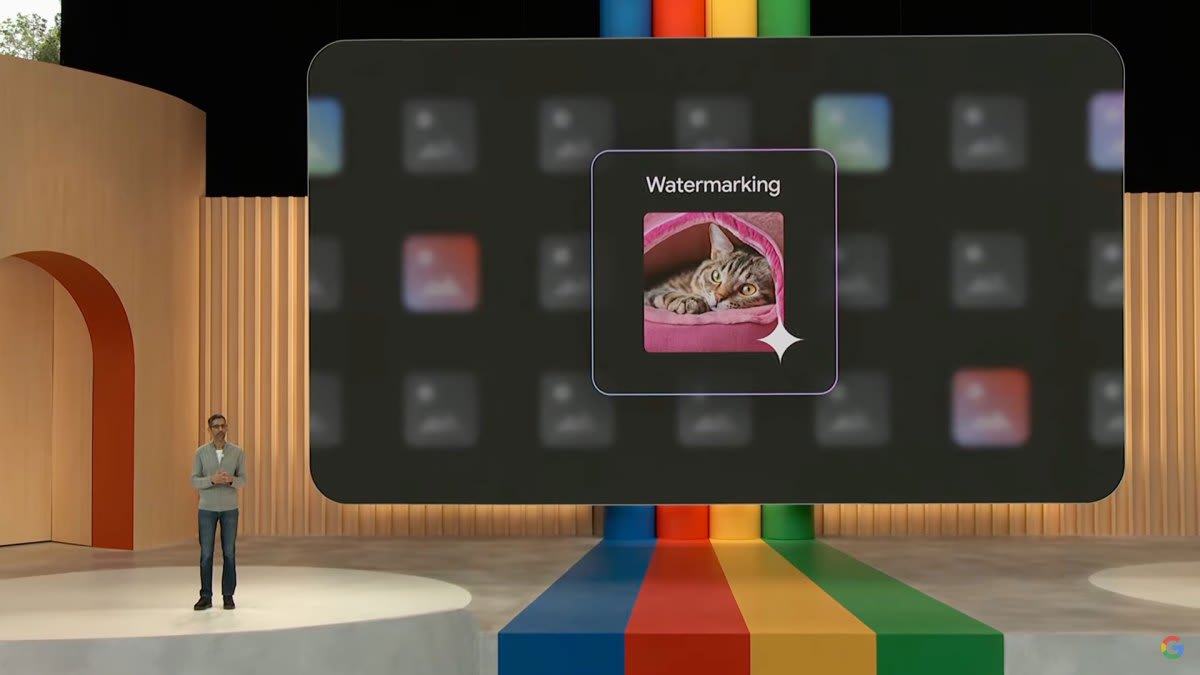
Google's SynthID Watermark Catches McConnell Deepfake
An AI-generated fake image of Senator Mitch McConnell in a hospital bed fooled thousands online, but Google's invisible watermark technology caught it. The win shows anti-deepfake tools are working when it matters most.
When a disturbing photo of Senator Mitch McConnell apparently hospitalized appeared online this week, it spread like wildfire across Reddit and X. Thousands of people shared it, believing the Kentucky senator's health had taken a dramatic turn.
But the image was completely fake. And for once, the good guys had a tool that worked.
Snopes, the trusted fact-checking site, quickly debunked the photo using Google's SynthID system. The image contained an invisible digital watermark that proved it was AI-generated, not a real photograph.
This marks a rare but meaningful victory in the fight against deepfakes. SynthID worked exactly as designed, catching a high-profile hoax before it could cause more damage.
The timing made the fake especially believable. Senator McConnell entered the hospital after an emergency call on June 14 and has stayed mostly out of public view since then. His absence fueled real speculation about his health, making people more likely to trust the fabricated image.
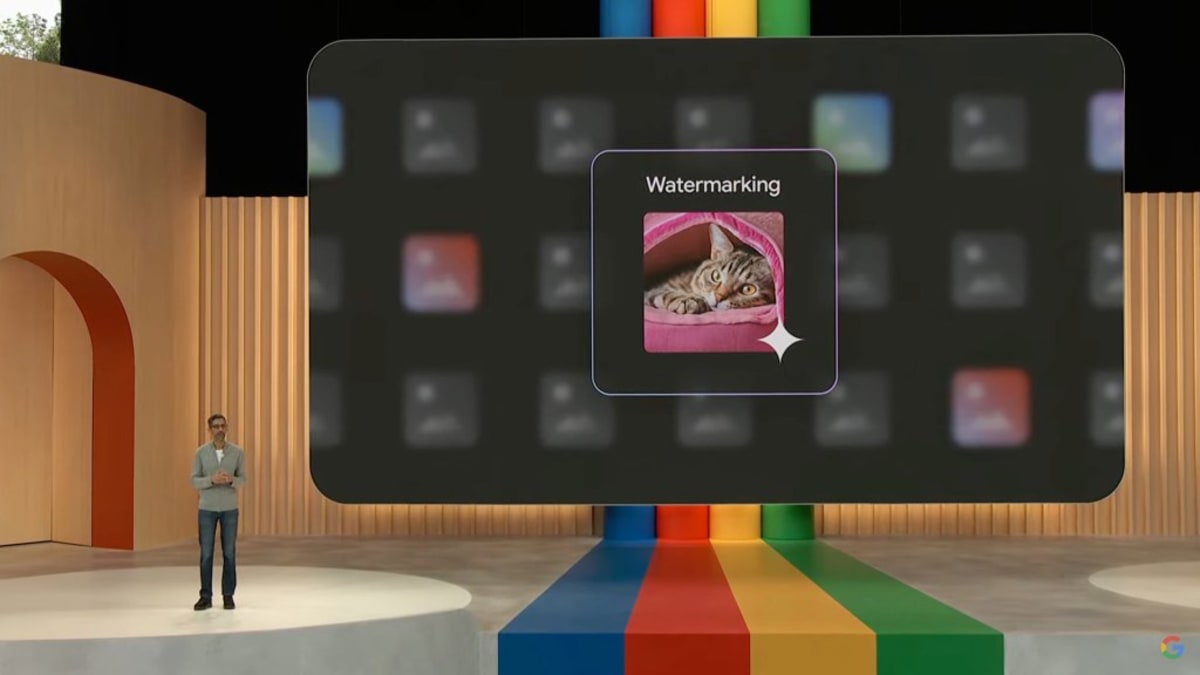
Google launched SynthID at its 2025 developer conference as an invisible signature embedded directly into AI-generated images. The clever part? The watermark survives even when images get screenshotted and shared across multiple platforms, which is exactly what happened with the McConnell photo.
The system has an important limitation though. It only works when image-generation companies voluntarily participate in the program. Google's Gemini models have included the watermark since launch. OpenAI joined in May 2026 as part of its push against malicious AI content. Anthropic hasn't signed on yet.
Anyone can check images for the watermark by asking a Gemini model or uploading them to OpenAI's public verification tool. That accessibility helped Snopes quickly identify the fake.
The Bright Side
This success story shows we're not defenseless against AI deception. Tech companies are building tools that actually work, and fact-checkers know how to use them. When platforms cooperate and verification stays easy, truth can win.
The McConnell incident proves that invisible watermarks can survive the chaos of social media sharing and still do their job when it counts.
As deepfakes become more convincing, moments like this remind us that solutions are keeping pace with the problems.
More Images



Based on reporting by TechCrunch
This story was written by BrightWire based on verified news reports.
Spread the positivity!
Share this good news with someone who needs it