AI Breakthrough Slashes Energy Use 100x, Boosts Accuracy
Scientists just cracked a major problem: making AI smarter while using 100 times less energy. Their new approach mirrors human reasoning and could transform how robots learn.
Artificial intelligence is devouring electricity at an alarming rate, already consuming over 10% of America's power supply. But researchers at Tufts University just unveiled a solution that could slash AI energy use by 100 times while actually making it work better.
The breakthrough combines two types of artificial intelligence: traditional neural networks and symbolic reasoning, which mimics how humans solve problems step by step. Instead of relying on endless trial and error, this hybrid system thinks more like you do when tackling a puzzle.
Professor Matthias Scheutz and his team tested their neuro-symbolic AI on robots performing tasks like stacking blocks and solving the Tower of Hanoi puzzle. The results were stunning. Their system achieved a 95% success rate compared to just 34% for conventional AI. When faced with a brand new version of the puzzle it had never seen before, it still succeeded 78% of the time while traditional models failed completely.
The speed difference was equally dramatic. The new system learned tasks in just 34 minutes, while standard AI needed more than a day and a half. That time savings translates directly into energy savings, and the numbers are remarkable.
Training the neuro-symbolic model required only 1% of the energy used by conventional systems. During actual operation, it consumed just 5% of the power needed by traditional approaches. To put that in perspective, when you ask an AI to summarize search results, it can use 100 times more energy than simply displaying website links.
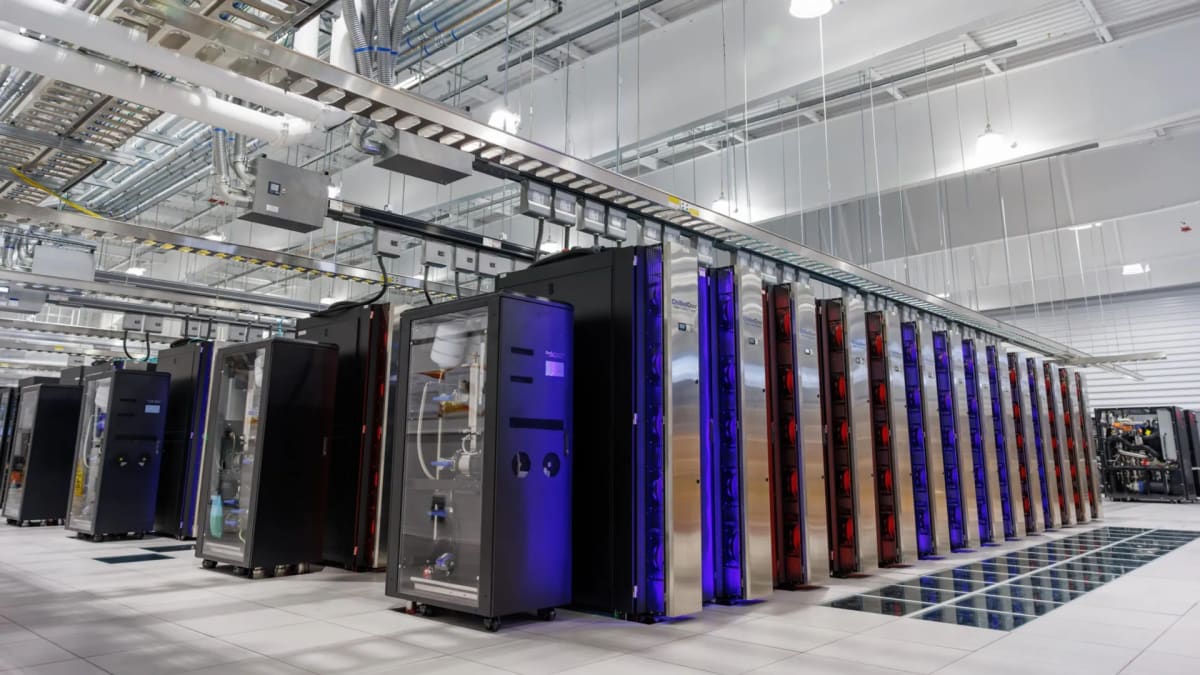
The timing couldn't be better. AI data centers are sprouting up across the country, some requiring as much electricity as entire small cities. According to the International Energy Agency, AI systems consumed 415 terawatt hours in 2024, and that demand is projected to double by 2030. The strain on power grids is becoming unsustainable.
The Ripple Effect
This discovery could reshape how we build AI systems across every industry. If widely adopted, neuro-symbolic approaches could prevent the construction of dozens of power-hungry data centers while delivering better results. The implications extend far beyond energy savings too. By reducing errors and hallucinations, this technology could make AI more reliable for critical applications in healthcare, transportation, and scientific research.
The research will be presented at the International Conference of Robotics and Automation in Vienna this May, where engineers and scientists from around the world will explore how to scale this approach. What started as an experiment with robot puzzles could become the blueprint for sustainable artificial intelligence.
Sometimes the smartest solution isn't building bigger and more powerful systems, but teaching them to think more like we do.
Based on reporting by Google News - AI Breakthrough
This story was written by BrightWire based on verified news reports.
Spread the positivity!
Share this good news with someone who needs it