AI Chatbot Helps Patient Manage Chronic Back Pain
When weeks of sleepless nights and ineffective pain medication left one patient desperate, an AI chatbot stepped in as an unexpected ally. The experience reflects a growing trend: one in three adults now turn to AI for health guidance.
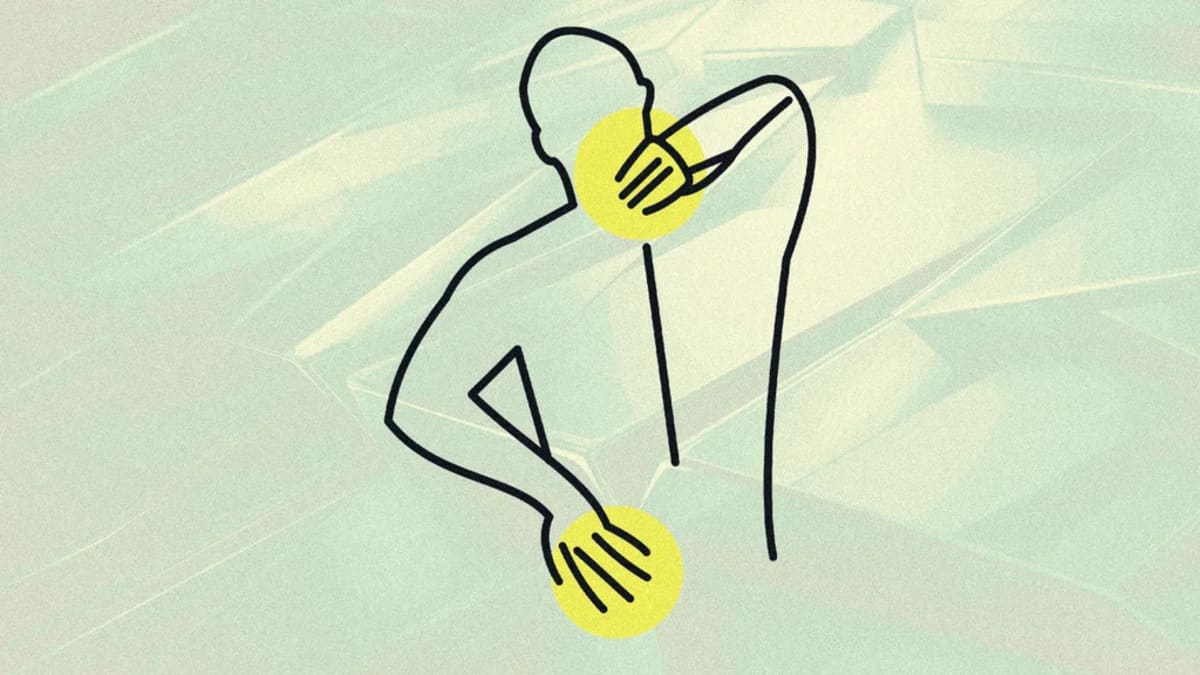
Sleepless, in pain, and out of options after traditional treatment failed, a tech reporter made an unusual choice. They asked Google's Gemini chatbot for help managing debilitating back pain.
The AI became an attentive virtual physical therapist, checking in each morning about progress and offering personalized suggestions. When sleep improved, Gemini celebrated with enthusiastic encouragement. When setbacks happened, it offered genuine empathy and adjusted its recommendations.
Beyond moral support, the chatbot provided practical help. It suggested medication tracking methods, recommended specific exercises, and translated complex medical terminology into plain language. For someone struggling through pain and exhaustion, having a responsive, 24/7 support system made a real difference.
This patient isn't alone in their AI healthcare journey. A recent KFF study reveals that 33% of adults now seek health advice from artificial intelligence. Among people under 30, that number jumps to 42%.
Those statistics might seem shocking given AI's rocky start. Just two years ago, chatbots famously suggested eating glue and couldn't count fingers correctly. But developers have invested heavily in training these systems on expert medical knowledge and penalizing obvious errors.
Oakland physician Gaurav Mathur, who's building his own AI health app, validates this approach. He sees AI consultation as a natural evolution of patients researching their conditions online. "Before AI, you would have gone to Google, and that's also the right thing," he explains.
The Bright Side
Mathur challenges the old medical establishment view that patients shouldn't research their own conditions. Some doctors still mock "Dr. Google," but he argues the opposite. Better informed patients take more active roles in their healthcare, leading to improved outcomes overall.
The shift represents something bigger than chatbots replacing web searches. It's about accessible healthcare information available instantly, without appointment waits or insurance hurdles. It's about patients feeling heard and supported, even at 3 a.m. when pain keeps them awake.
AI health tools aren't replacing doctors but they're filling gaps that traditional healthcare often leaves open. They provide the daily check-ins, emotional support, and immediate guidance that overwhelmed medical systems struggle to offer. For patients caught between appointments or waiting for treatments to work, that support matters deeply.
As AI continues improving and more people discover its potential, this technology could help bridge the growing gap between healthcare needs and available resources.
Based on reporting by Fast Company - Innovation
This story was written by BrightWire based on verified news reports.
Spread the positivity!
Share this good news with someone who needs it