AI Discovers "Cold" Breast Cancer May Respond to Treatment
A groundbreaking AI tool has found that a "untreatable" breast cancer subtype affecting 15% of patients may actually respond to immunotherapy. Lab tests confirmed the discovery, opening doors to new treatments available today.
A breast cancer subtype once considered hopeless for immunotherapy might actually respond to treatment, thanks to an AI designed to find scientific surprises.
The Allen Institute for AI created AutoDiscovery, an open-source tool that hunts through massive medical databases looking for patterns scientists might miss. Working with the Paul G. Allen Research Center at Providence Swedish Cancer Institute, the AI analyzed one of the world's largest cancer datasets and flagged something unexpected about invasive lobular carcinoma (ILC).
ILC affects roughly 15 percent of breast cancer patients in the United States each year. For decades, doctors classified these tumors as "immune cold," meaning the body's immune system doesn't recognize or fight them, so immunotherapy drugs that boost immune response simply don't work.
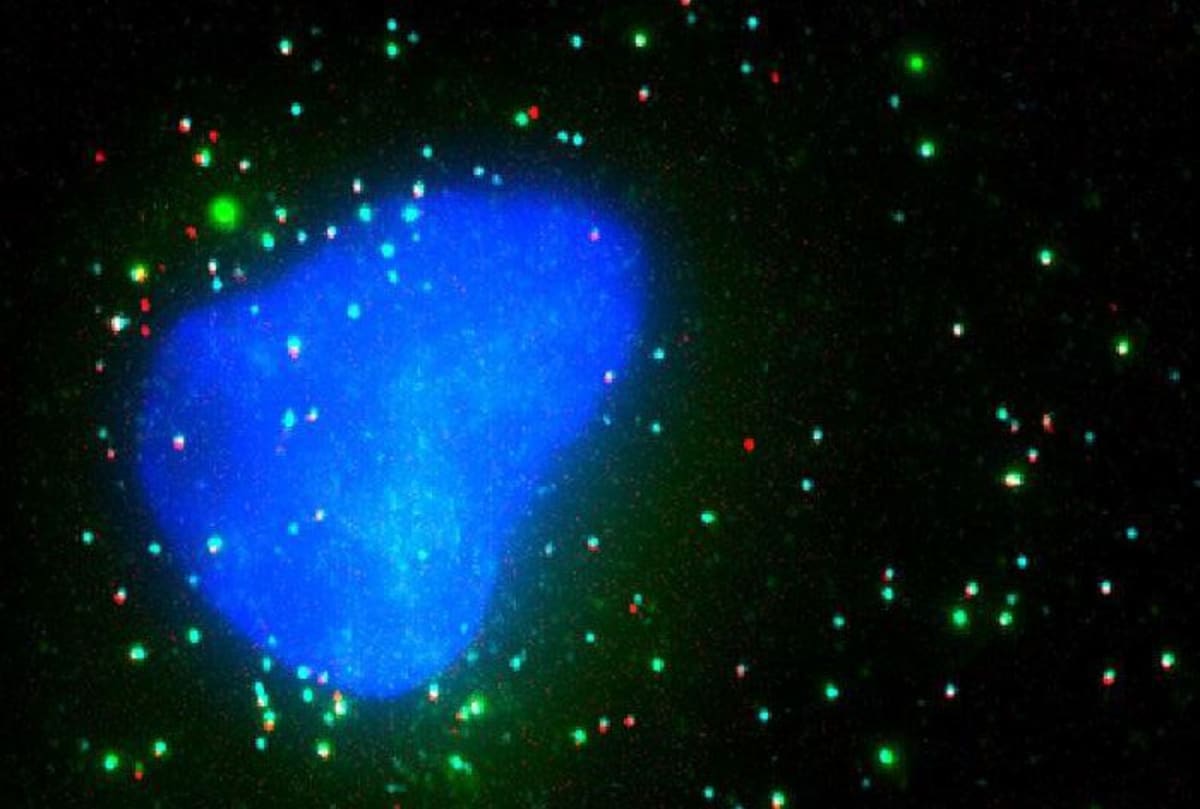
But AutoDiscovery found a surprise. The AI detected a stronger immune signature in ILC tumors than previously known, suggesting the immune system might engage with these cancers after all. Researchers validated the finding through independent patient data and direct lab analysis of actual tumor samples.
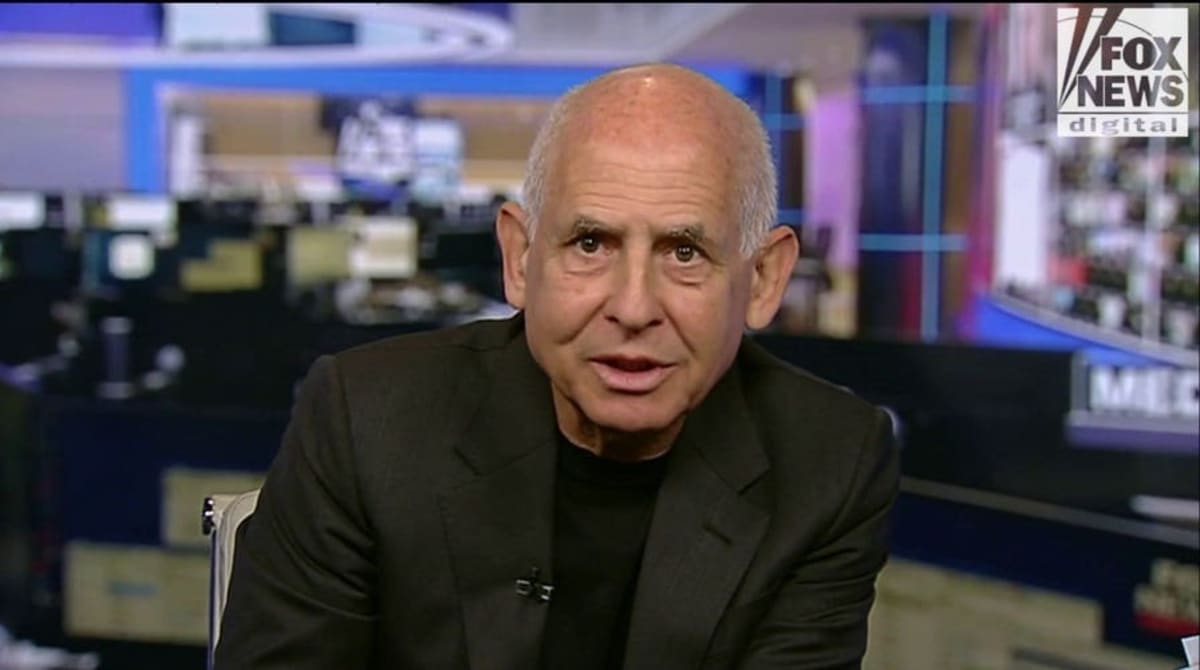
"This is good news," said Dr. Kelly Paulson, who leads the Center for Immuno-Oncology at the research center. She explained that immunotherapies already exist today that could be tested on this cancer type, and the insight could help develop entirely new treatment forms.
Why This Inspires
This discovery represents more than just clever technology. It offers real hope to thousands of patients who were told their cancer wouldn't respond to cutting-edge treatments.
The AI doesn't replace human doctors or researchers. Instead, it acts like a tireless research assistant, combing through decades of patient data that would take human teams years to analyze. When it spots something surprising, scientists can investigate whether the finding holds up in the real world.
AutoDiscovery has already generated 65,000 hypotheses for scientists working in cancer research, neuroscience, and other medical fields. This ILC discovery is only the second publicly announced finding, but researchers are actively testing many others.
The team submitted their findings in a paper titled "Surprisal-based large language models reveal immunologic insights in breast cancer." While not yet peer-reviewed, the discovery could lead to clinical trials testing existing immunotherapy drugs on ILC patients.
What makes this breakthrough particularly meaningful is its immediacy. Unlike discoveries that require years of drug development, this finding suggests treatments already sitting on pharmacy shelves might help patients doctors previously couldn't treat with immunotherapy.
The AI worked by exploring data without a predetermined goal, letting patterns emerge naturally rather than testing specific hypotheses. This approach uncovered a relationship hiding in plain sight within data scientists had access to all along.
For the 15 percent of breast cancer patients diagnosed with ILC each year, this unexpected discovery transforms "we can't treat this" into "let's find out if we can."
More Images


Based on reporting by Google: scientific discovery
This story was written by BrightWire based on verified news reports.
Spread the positivity!
Share this good news with someone who needs it