New mRNA Tweak Could Make Future Vaccines More Powerful
Scientists discovered a simple chemical swap that helps cells build proteins from mRNA faster and with fewer errors, potentially leading to more effective vaccines using smaller doses. The breakthrough could ease supply shortages during health emergencies.
A tiny molecular change might unlock the next generation of mRNA medicines, making them stronger without needing bigger doses.
Researchers at Johns Hopkins Medicine discovered that swapping one chemical building block for another allows cells to read mRNA instructions nearly twice as fast. When cells work faster, they produce more protein with fewer mistakes, which could mean future vaccines pack more punch.
The team compared two modified versions of mRNA. One called m1Ψ is currently used in COVID-19 vaccines. The other, ac4C, is an experimental alternative that naturally occurs in human cells but hasn't been widely studied for medical use.
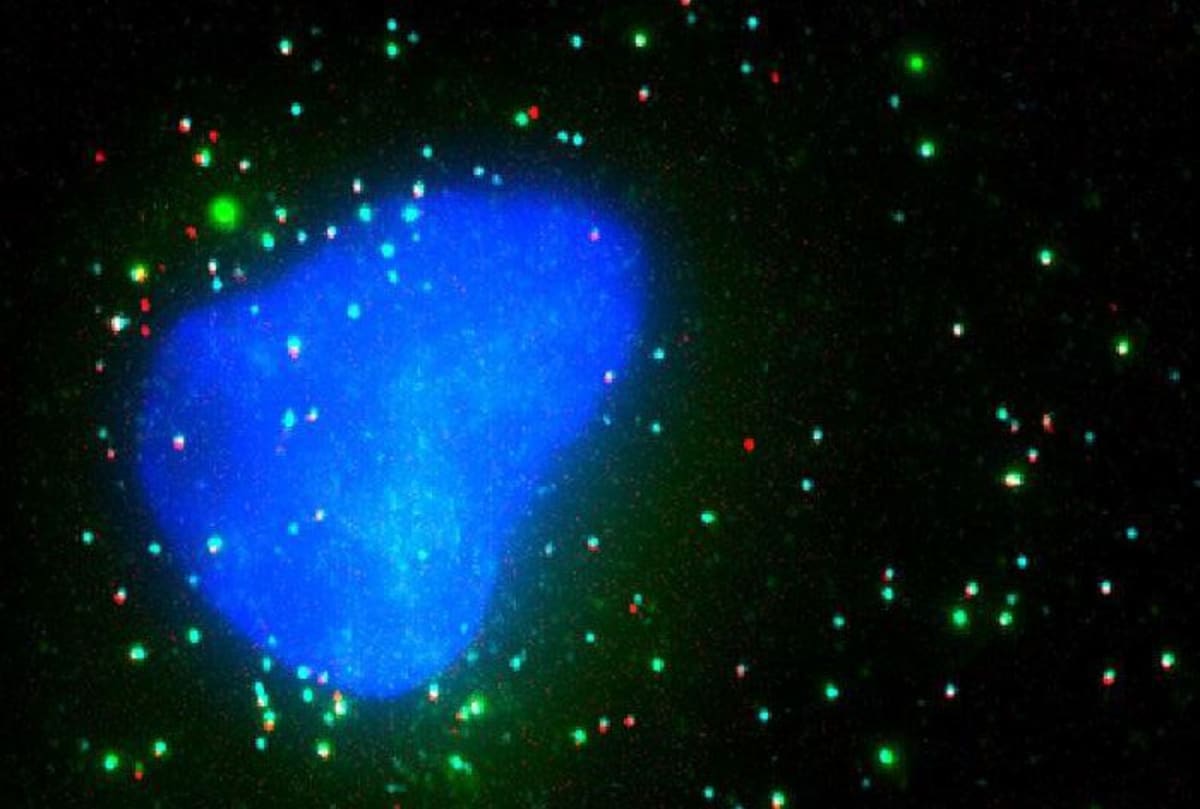
Using powerful microscopes, the scientists watched individual cellular machines called ribosomes move along strands of mRNA in real time. They observed something striking: ribosomes reading the current standard mRNA moved sluggishly, sometimes piling up like cars in rush hour traffic.
When ribosomes collide, cells often cut the protein-building process short or introduce errors. The result is less usable protein than the mRNA instructions should theoretically produce.
The experimental ac4C modification cleared that traffic jam entirely. Ribosomes zipped along smoothly, and cells churned out more complete, correctly built proteins.
Both versions proved equally safe at avoiding unwanted inflammation, a critical requirement for any mRNA therapy. The meaningful difference showed up in output and accuracy.
The Ripple Effect
This discovery arrives at a crucial moment. During the COVID-19 pandemic, manufacturing capacity for mRNA vaccines became a global bottleneck. Countries competed for limited supplies while pharmaceutical companies scrambled to scale up production.
A platform that generates stronger immune responses from smaller doses could stretch supplies further during future outbreaks. Fewer raw materials would be needed to protect the same number of people.
Beyond vaccines, mRNA therapies are being developed to treat cancer and autoimmune diseases. More efficient protein production could make these treatments more affordable and accessible to patients who need them.
The research team notes that scientists have identified over 170 natural chemical modifications in RNA, but only a handful have been explored for medical use. This finding suggests the field may have barely scratched the surface of what's possible.
The work remains in early stages. These results come from cell cultures and mouse tissue, not human trials. Turning a laboratory advantage into an approved medicine typically requires years of safety testing and regulatory review.
Still, the collaboration began with a simple conversation when researcher Shalini Oberdoerffer from the National Cancer Institute gave a talk at Johns Hopkins in 2024. Biophysicist Bin Wu saw potential for a joint project, and the partnership led to this breakthrough.
Sometimes the most powerful innovations come from paying attention to what nature already does well and finding new ways to apply those lessons.
Based on reporting by Google News - Researchers Find
This story was written by BrightWire based on verified news reports.
Spread the positivity!
Share this good news with someone who needs it