AI Chatbots Bridge Mental Health Gap for Millions
Mental health experts at a major tech conference say AI chatbots are providing crucial first-line support to people who can't access traditional therapy. By decade's end, validated automated tools could help entire populations get the mental health care they need.
📺 Watch the full story above
Millions of lonely, anxious, and grieving people are turning to ChatGPT and other AI chatbots for emotional support, and mental health experts say that's not necessarily a bad thing.
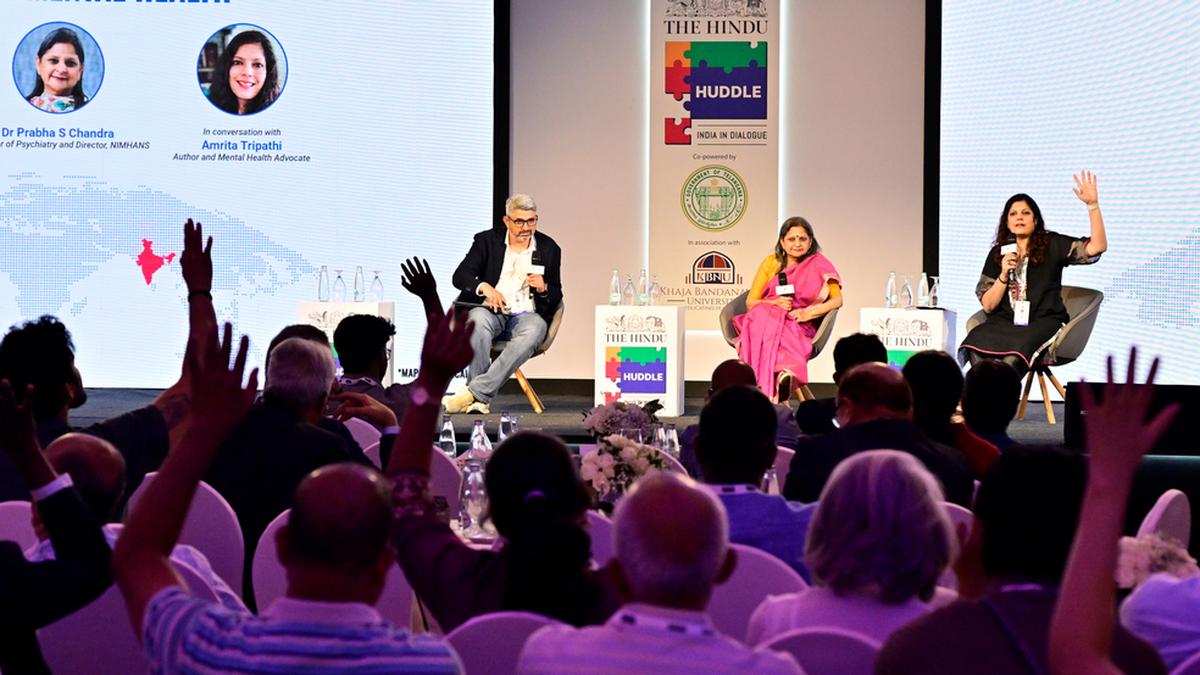
At The Hindu Huddle 2026 in Bengaluru this week, leading psychiatrists shared how artificial intelligence is transforming mental health access in surprising ways. Dr. Amit Malik told attendees that AI chatbots are becoming a critical bridge for people who can't afford or access traditional therapy.
"By the end of this decade, there will be fairly robust validated automated tools which will give a whole population the first line of mental health access," Dr. Malik explained. He pointed to real-world examples, including India's Tele MANAS helpline, where chatbots help callers articulate their needs before speaking with counselors.
Dr. Prabha Chandra noted that loneliness appears to be one of the biggest problems of our time, with young people and the elderly especially seeking help from AI. People from smaller cities who face barriers to traditional mental health services are finding support through these digital tools.
The psychiatrists emphasized that chatbots work best when people stay in control. Dr. Malik, who uses detailed two-page prompts with ChatGPT, stressed the importance of being the driver rather than letting AI take the wheel.
The Bright Side
The experts acknowledged real concerns about AI mental health support, including lack of regulation and the risk of over-dependence leading to "cognitive laziness." But they urged audiences to approach the technology with curiosity rather than fear.
"Rather than denying it, we should come from a place of curiosity so we can use and work with it," Dr. Chandra said. She noted that chatbots are unlocking information that previously kept people away from seeking professional services.
The key is balance and awareness. Younger patients now fact-check their therapists using ChatGPT, which can be problematic, but it also shows people are taking active roles in their mental health journey.
Tech companies need to step up with age verification and safety guardrails, especially for tools like character AI where users create personalized personas. But the fundamental shift toward accessible mental health support represents genuine progress for millions who previously had nowhere to turn.
The conversation marks an important moment where medical professionals are embracing technology's potential while advocating for responsible development and use.
Based on reporting by The Hindu
This story was written by BrightWire based on verified news reports.
Spread the positivity!
Share this good news with someone who needs it