Canada and Taiwan Partner on AI-Powered Drug Discovery
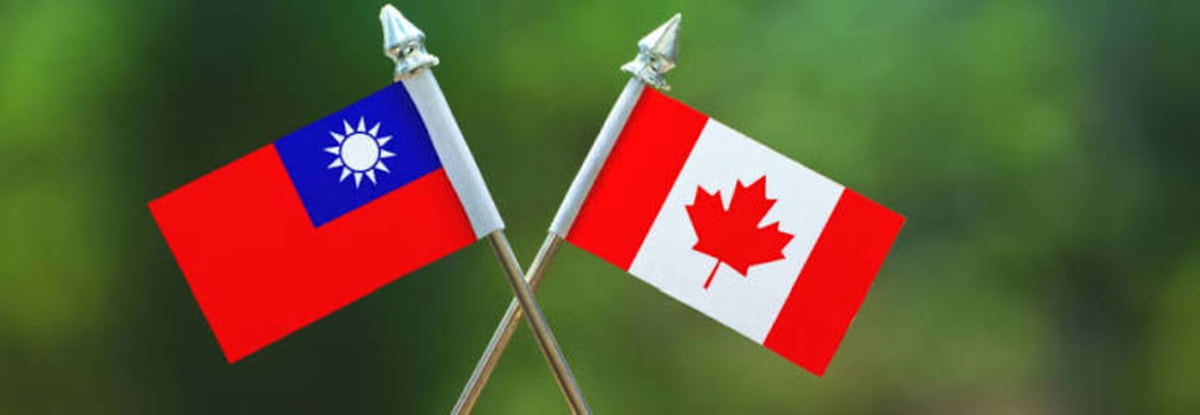
Canadian and Taiwanese scientists joined forces in July 2026 to accelerate breakthrough therapies using artificial intelligence and precision medicine. The partnership could reshape how drugs are discovered and bring treatments to patients faster.
📺 Watch the full story above
Scientists from Canada and Taiwan just took a major step toward making life-saving drugs safer, faster, and smarter to develop.
At the Canada-Taiwan Partnering Forum during BIO Asia-Taiwan 2026, researchers unveiled new collaborations combining artificial intelligence with drug discovery and precision health. The July 17 event brought together innovators working on everything from antibody engineering to neurological assessment tools.
The highlight? AI systems that can now predict which drug candidates will fail before companies spend millions on clinical trials. Dr. Richard Tseng from Proholistic Discovery presented InferALL, an AI engine designed to spot red flags early in development. With drug development costs skyrocketing and most candidates failing in late-stage trials, catching problems earlier could save billions and get effective treatments to patients years sooner.
Canadian company adMare BioInnovations showcased how they're turning promising laboratory science into real companies that can compete globally. Bethany Moir, their Senior Director of Public Affairs, emphasized that brilliant discoveries need more than great science. They need experienced teams, funding, and infrastructure to succeed.
The partnerships extend beyond traditional drug discovery. Bronwyn Bridges from PragmaClin Research demonstrated an AI platform that makes neurological assessments more objective and accessible. Instead of relying solely on subjective clinical observations, doctors could use precise digital tools to evaluate conditions and track treatment progress.
Gordon Ngan from KisoJi Biotechnology showed how deeper analysis of antibody interactions could unlock entirely new therapeutic possibilities. Meanwhile, James Doyle from Phocus Pharmaceuticals presented strategies for building rapid-acting therapies from molecules scientists already understand well.
The Ripple Effect
This collaboration represents more than just two countries sharing technology. Taiwan brings world-class pharmaceutical manufacturing and commercialization capabilities. Canada offers discovery expertise and company-building infrastructure. Together, they're creating a pipeline that could deliver treatments neither country could develop as quickly alone.
The forum included practical discussions about funding mechanisms like Canada's International Innovation Program and Taiwan's A+ Industrial Innovation R&D Program. These aren't just handshake agreements but structured pathways with real funding to support joint research projects.
Dr. Anmol Kapoor from BioSport Health even presented a vision for precision health beyond traditional medicine, integrating health data for prevention and performance optimization. The technology could help people stay healthy instead of just treating them after they get sick.
The timing matters too. As healthcare systems worldwide struggle with rising costs and aging populations, innovations that make drug development more efficient and healthcare more preventive could transform how we approach medicine entirely.
International collaboration in biotechnology isn't just about sharing resources—it's about combining complementary strengths to solve problems faster than any single country could alone.
Based on reporting by Google: scientific discovery
This story was written by BrightWire based on verified news reports.
Spread the positivity!
Share this good news with someone who needs it