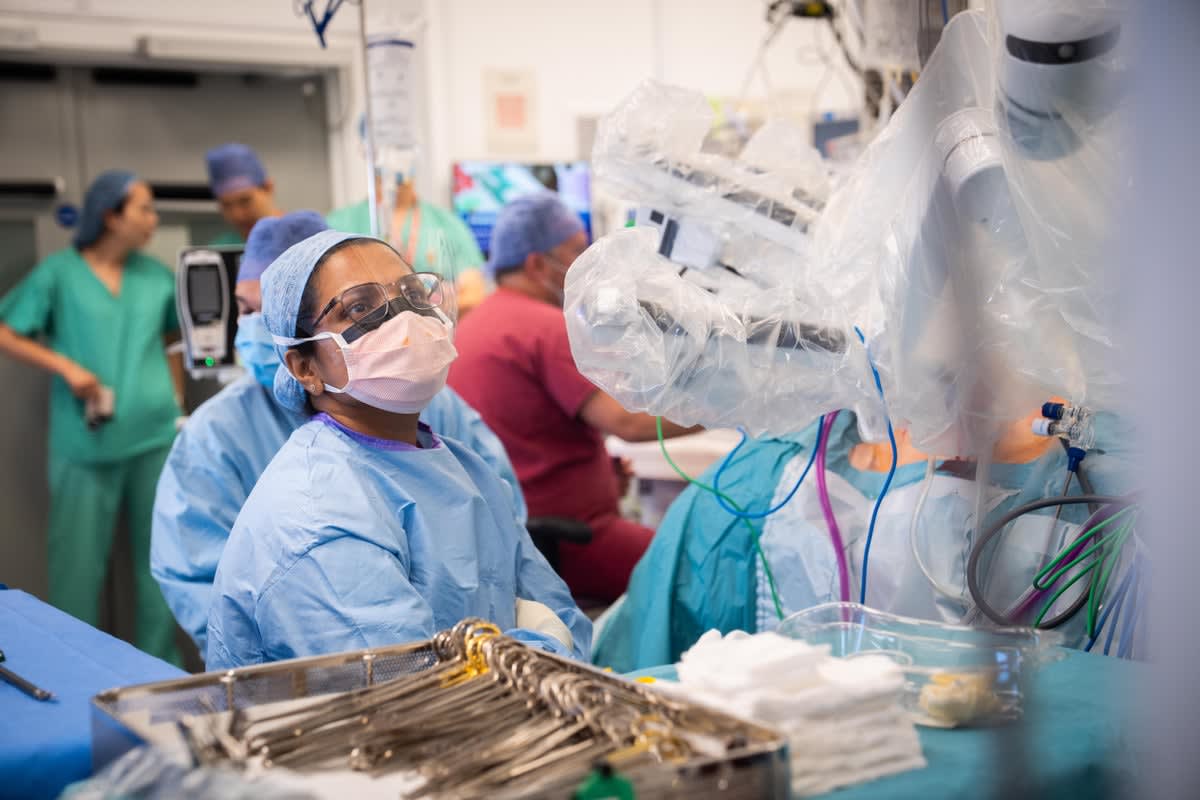
AI Color-Codes Organs During Surgery, First Used in UK
Surgeons in London just performed the UK's first operation using AI that highlights body parts in real-time with different colors, making surgery safer and more precise. The technology, developed in Japan, acts like a GPS system for the operating room.
Surgeons in London have completed the UK's first operation using groundbreaking AI technology that color-codes organs and tissues during surgery, potentially making procedures safer for millions of patients.
The pioneering system, called Eureka, was used Thursday at St Mark's National Bowel Hospital during surgery on a woman in her 60s. It marks the first time the technology has been deployed anywhere outside Japan.
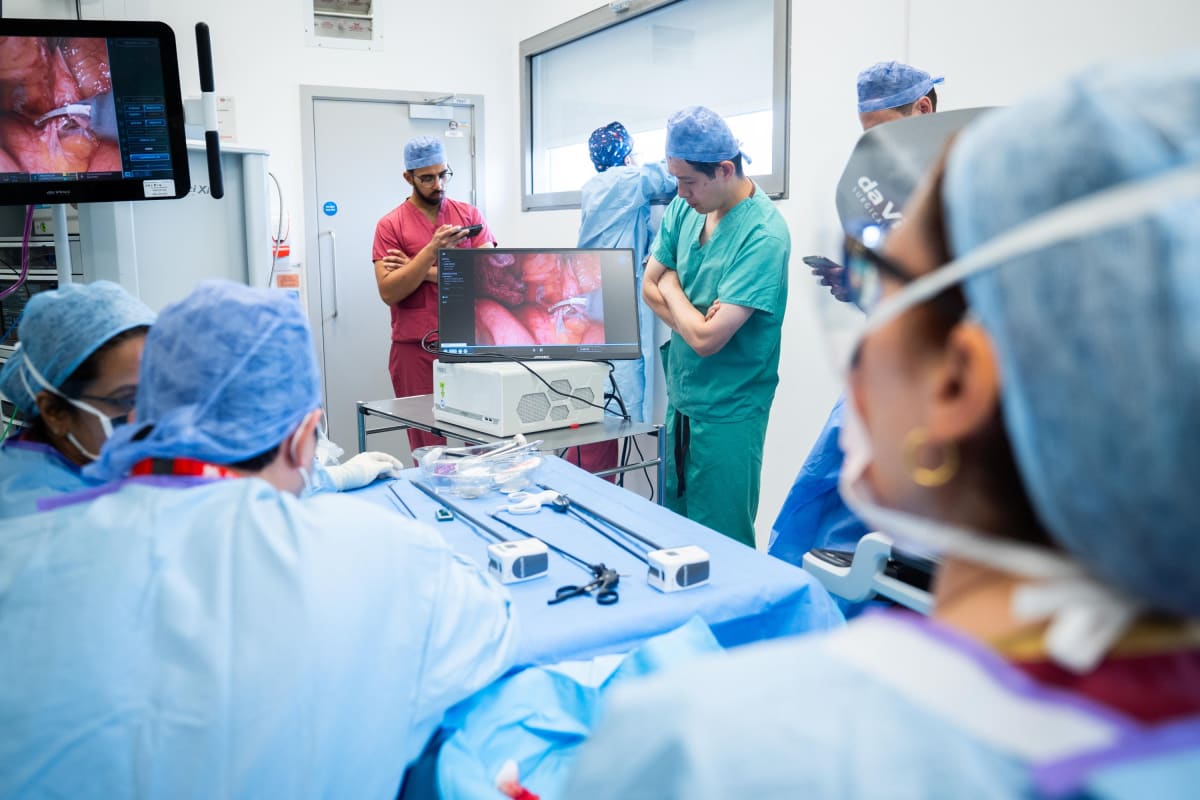
The portable AI unit works like a surgical GPS system, projecting real-time color highlights onto screens during operations. Nerves appear in green, connective tissue shows up in turquoise, and other structures get their own distinct colors, helping surgeons navigate the body with unprecedented precision.
Consultant surgeon Kapil Sahnan compared the innovation to the shift from paper maps to Google Maps. "The computer can see things before the human eye can," he explained, noting that the AI was trained on thousands of surgical videos.
The system functions as what Sahnan calls "an extra helping arm" in the operating room. It analyzes live surgery footage and identifies hidden structures that surgeons might not immediately see, flagging potential dangers before errors occur.
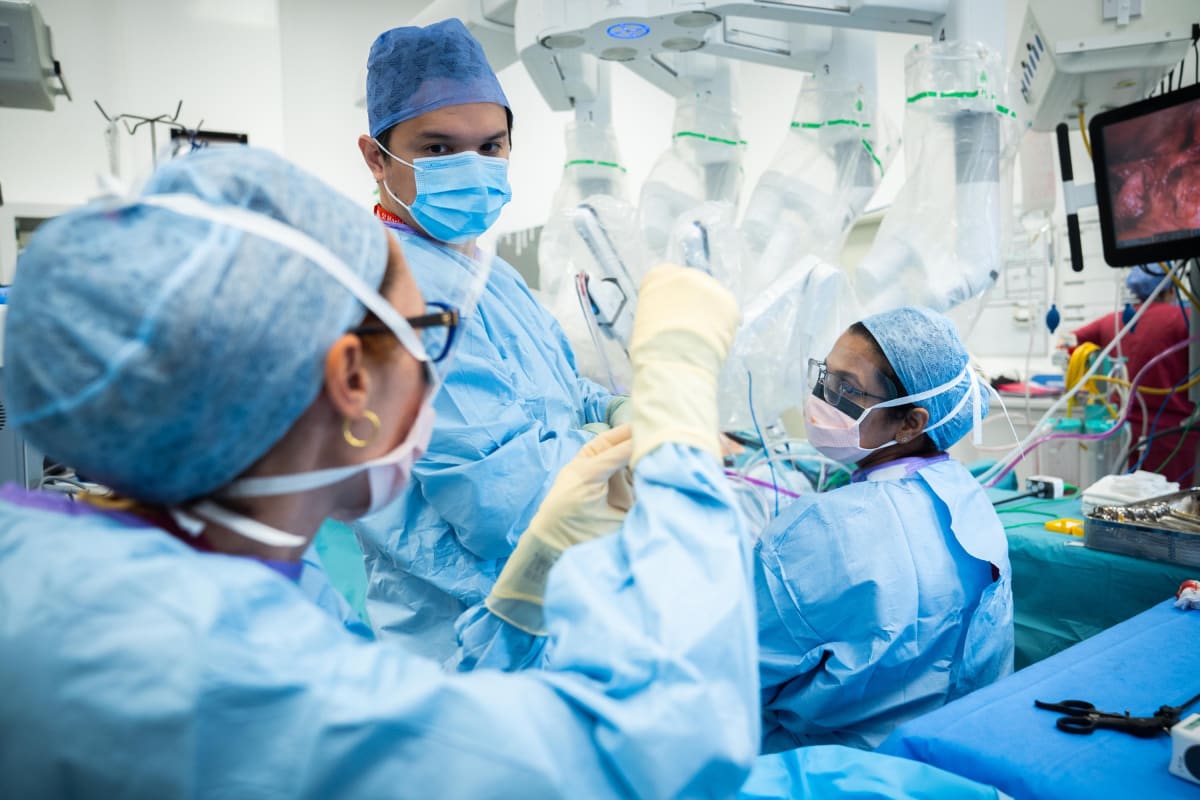
The patient underwent a bowel resection, a complex procedure where the AI's guidance proved invaluable. The technology works alongside robotic or laparoscopic procedures, with color overlays that can either display constantly or pulse to draw attention to specific areas.
Japanese surgeons developed Eureka by training the AI on thousands of recorded operations, teaching it to recognize and distinguish between different types of tissue. This deep learning approach means the system continues improving as it processes more surgical data.
The Ripple Effect
The implications extend far beyond one successful surgery. St Mark's Hospital is already working on studies to prove the technology's advantages and develop a rollout plan for wider adoption.
Sahnan envisions a future where this AI assistance becomes standard in operating rooms across the country. "It would be amazing if everybody had it in the next couple of years," he said. "It would make surgery for everybody a lot safer."
The technology addresses a critical need in modern healthcare. Even the most skilled surgeons face challenges identifying delicate structures during complex procedures, and this AI acts as a safeguard against unintended damage to nerves, blood vessels, and other vital tissues.
For patients, this means potentially shorter recovery times, fewer complications, and better outcomes. The real-time aspect gives surgeons confidence to proceed with precision, knowing they have AI-powered backup identifying risks as they work.
The successful UK debut opens the door for British hospitals to adopt this life-saving technology, transforming operating theaters from London to Edinburgh and everywhere in between.
More Images
Based on reporting by Google News - Tech Breakthrough
This story was written by BrightWire based on verified news reports.
Spread the positivity!
Share this good news with someone who needs it