AI Could Connect 100M Americans to Life-Saving Care
Former NYC Health Commissioner says AI's biggest promise isn't discovering new treatments—it's getting proven cures to the millions already missing them. A twice-yearly HIV prevention shot with 100% efficacy exists, but most who need it never receive it.
A medication that completely prevents HIV exists right now. Another drug can cure hepatitis C before it destroys your liver. Yet less than a third of Americans diagnosed with hepatitis C ever get the cure, and 100 million people in the U.S. don't have regular access to a doctor at all.
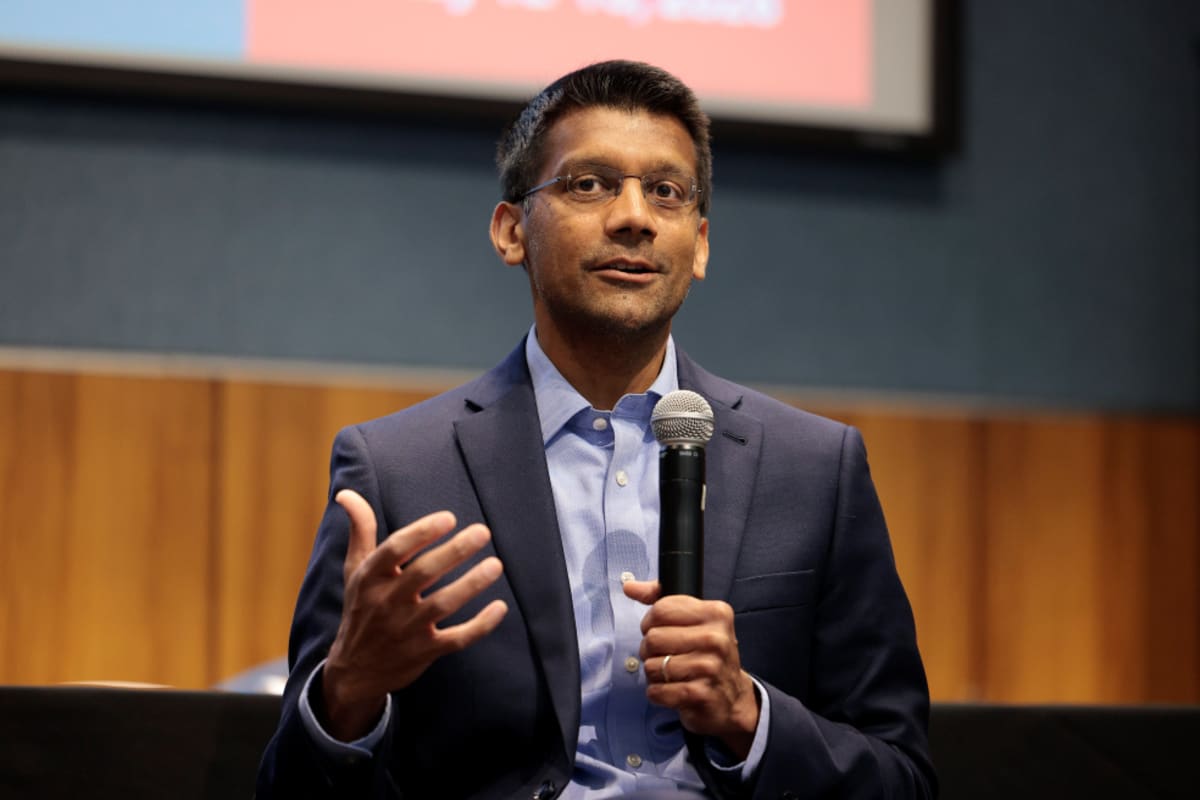
Dr. Dave Chokshi, former New York City Health Commissioner, thinks artificial intelligence could finally close that gap. But not in the way most people imagine.
Speaking at The New Wave of AI in Healthcare 2026 conference in New York City this May, Dr. Chokshi challenged the common narrative that AI's purpose is discovering breakthrough treatments. The real breakthrough, he argued, would be using AI to deliver the miracles we already have to the patients healthcare keeps missing.
He calls it "the discovery-delivery gap." Science has given us curative hepatitis C antivirals for over a decade, yet less than a third of diagnosed patients receive them. A new injectable called lenacapavir showed 100% efficacy at preventing HIV in Phase 3 trials, delivered just twice a year. Half of all Americans with high blood pressure still can't get it under control, despite having straightforward, proven treatments.
"We don't need AI to tell us what to do about that," Dr. Chokshi said. "AI can help through doing things like augmenting our case finding."
Case finding means using AI to identify people who've fallen through the cracks: those with undiagnosed conditions, those who qualify for treatment but never received it, or those who started care but got lost in the system's maze of appointments, prior authorizations, and follow-ups. It's in those handoffs where healthcare loses people—not because the science failed, but because the delivery system is too fragmented and burdensome.
Dr. Chokshi, who still practices medicine at New York's Bellevue Hospital, thinks constantly about "the patients we do not see." When someone experiencing homelessness walks into his clinic after years without care, their electronic health record lights up with alerts and overdue checkups. But the real work isn't checking boxes. It's building trust with someone the system has already abandoned multiple times.
The Ripple Effect
If AI gets aimed at efficiency and profit for already-connected patients, it could widen existing gaps. But directed toward the 100 million Americans without regular doctor access, it becomes something else entirely: infrastructure for follow-through and a tool for equity.
Dr. Chokshi's vision puts relationships before technology. AI doesn't replace the human work of care—it makes that work possible for more people by surfacing those most likely to be missed and helping them navigate from diagnosis to treatment completion.
The question he's asking the healthcare industry is simple but radical: "How do we direct AI, not just to the breakthroughs, but to the follow-throughs?" Because the real measure of AI's success won't be what new treatments it helps invent, but how many people finally receive the life-saving care that's been waiting for them all along.
More Images
Based on reporting by Google News - AI Breakthrough
This story was written by BrightWire based on verified news reports.
Spread the positivity!
Share this good news with someone who needs it