WHO Stops Ebola with Community Trust in Eastern Congo
Health workers are turning the tide on a rare Ebola outbreak in the Democratic Republic of Congo by putting community trust first. Instead of imposing solutions, they're partnering with families to stop the virus together.
When a rare strain of Ebola emerged in eastern Democratic Republic of Congo, the World Health Organization did something different. They asked communities to help lead the response instead of just following orders.
The approach is already showing results in Ituri and North Kivu provinces, where 51 confirmed cases have appeared alongside nearly 600 suspected cases. Two cases reached neighboring Uganda, but health experts believe rapid community action is containing the spread.
This particular strain, called Bundibugyo, has no licensed vaccine or treatment yet. That makes trust even more critical to stopping transmission.
Dr. Marie Roseline Belizaire, WHO's Emergency Director for Africa, explained the strategy simply. "Every emergency, every epidemic begins in a community and ends in a community," she said.
The team learned hard lessons from previous outbreaks in the region between 2018 and 2020. Back then, many families hesitated to report sick relatives or refused to let loved ones go to treatment centers because they felt afraid and powerless.
Now health workers are setting up care facilities close to affected villages. Families can visit hospitalized patients, receive food support, and get psychosocial help while their loved ones recover.
"We are not going to come and dictate our science but rather work with them," Dr. Belizaire explained. The shift recognizes that medical expertise means nothing if people are too scared to seek help.
More than 11 tonnes of medical equipment have reached the region despite security challenges and population displacement from mining activities. The World Food Programme, UN peacekeepers, and Doctors Without Borders are supporting the effort.
Why This Inspires
This response flips the usual emergency playbook. Instead of treating communities as problems to manage, health workers are treating them as partners with valuable knowledge about their own needs.
The strategy acknowledges a profound truth about public health. Technical solutions only work when people feel respected enough to participate in their own healing.
Health teams are having honest conversations about vaccines too. People who received protection against the more common Zaire strain in previous years need to understand this different strain requires different approaches.
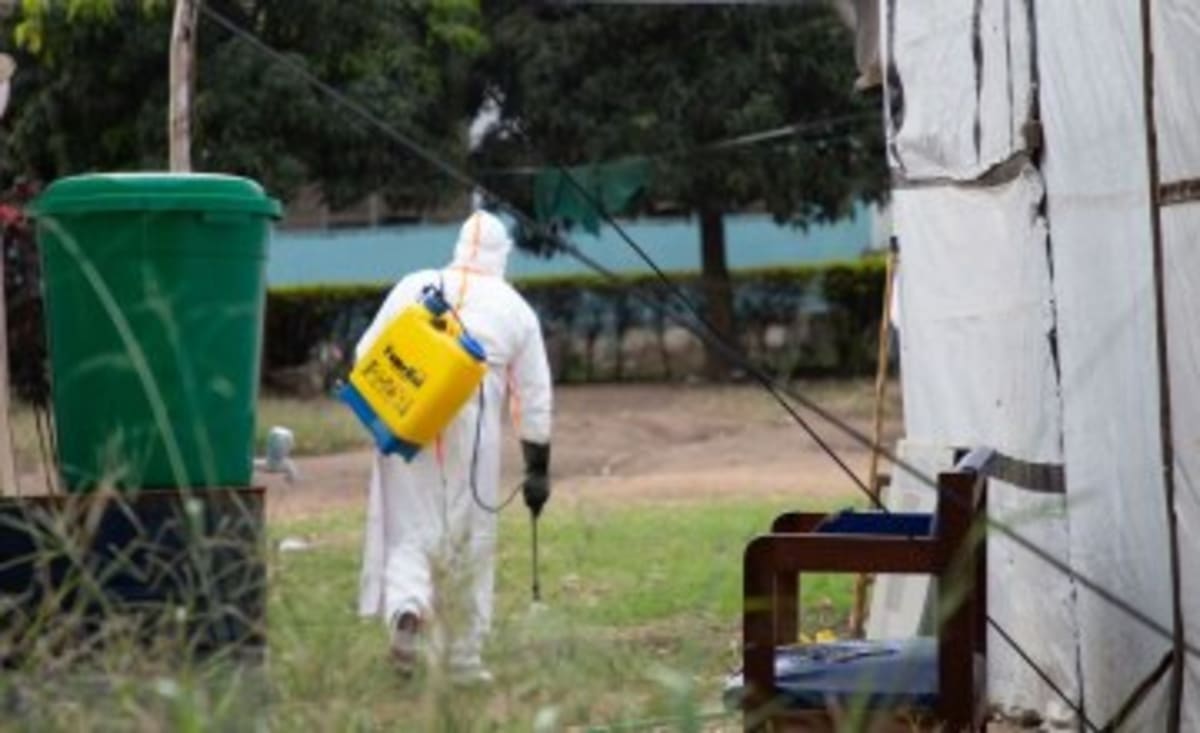
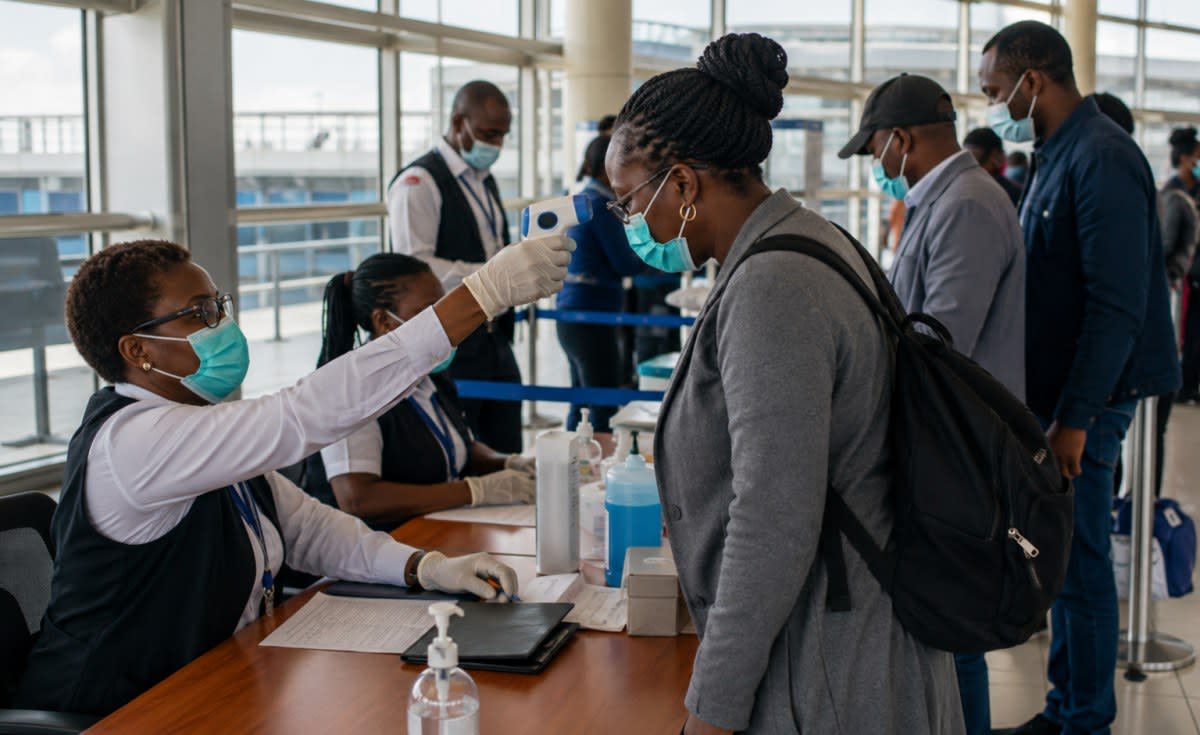
Simple community measures are making a difference. Handwashing stations, prompt reporting of symptoms like sudden high fever and fatigue, and avoiding contact with bodily fluids are helping slow transmission.
The WHO believes experience from successfully controlling the 2018-2020 outbreak in this same challenging region gives them an advantage. Security threats, displaced populations, and difficult terrain didn't stop progress then, and they believe partnership can work again now.
Researchers are already working to develop vaccines and treatments for this rarer Bundibugyo strain. Until those tools arrive, human connection and mutual respect are proving to be powerful medicine in their own right.
Based on reporting by AllAfrica - Health
This story was written by BrightWire based on verified news reports.
Spread the positivity!
Share this good news with someone who needs it