Kenya Screens 34,500 Travelers, Stays Ebola-Free
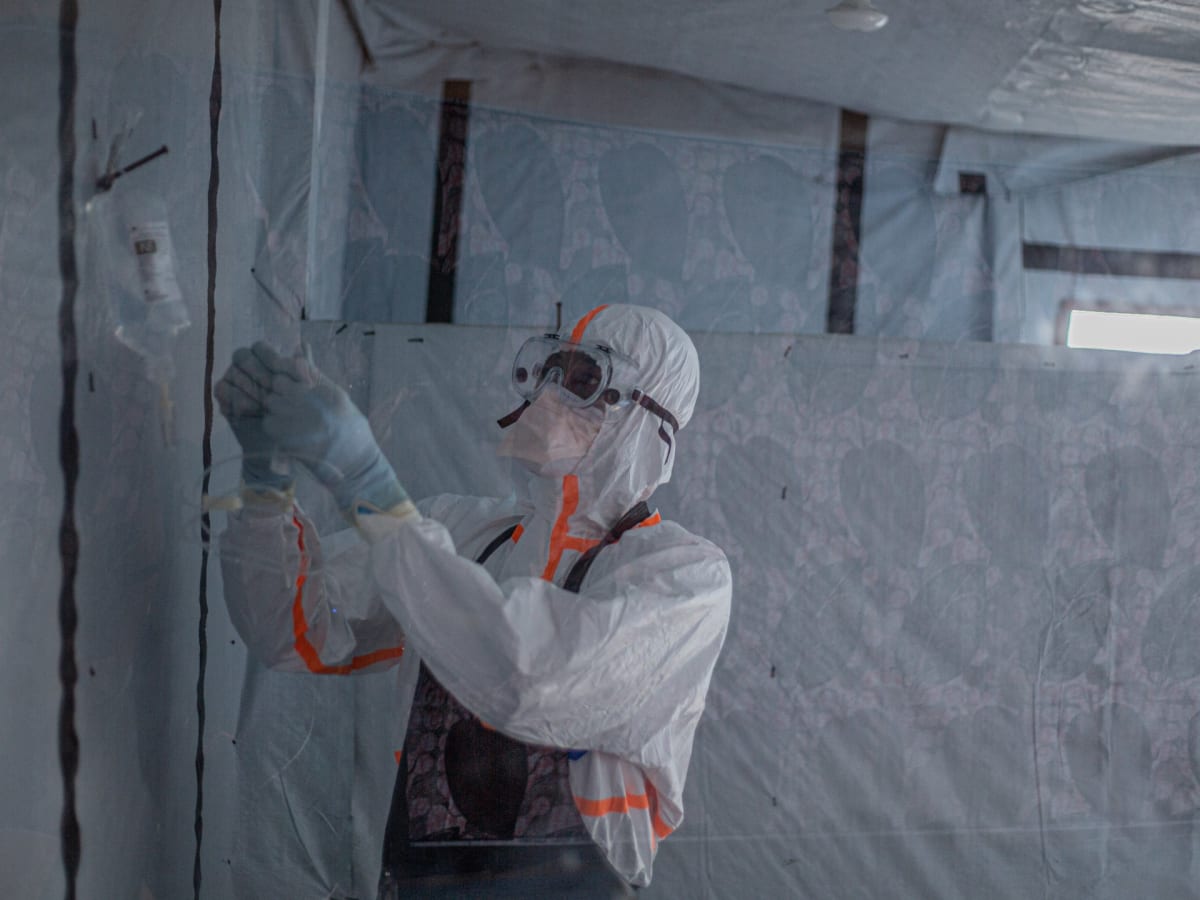
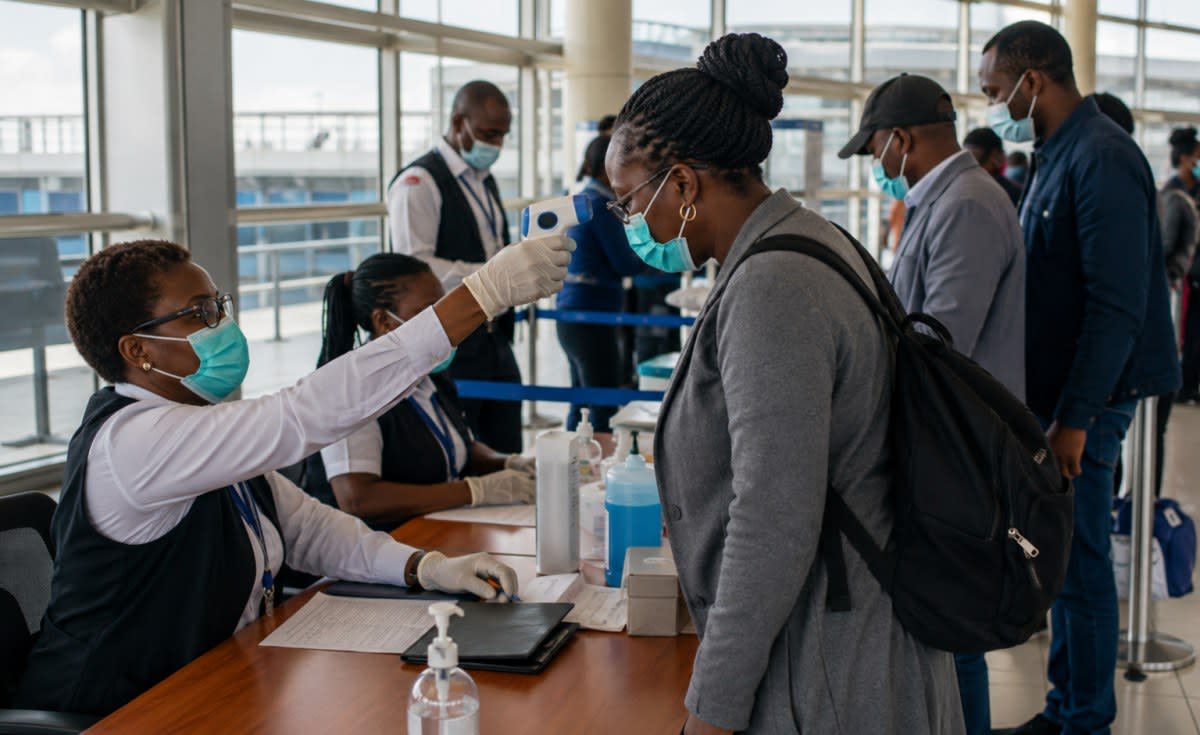
Kenya is keeping its borders open and communities safe through smart, science-based screening instead of lockdowns. More than 34,500 travelers have already been monitored at border crossings as the country proves preparedness doesn't require panic.
While neighboring countries battle Ebola outbreaks, Kenya is showing the world how to stay safe without shutting down.
The East African nation has rejected blanket quarantines for travelers and truck drivers, choosing targeted health screening backed by cutting-edge technology and international expertise instead. Health Cabinet Secretary Aden Duale announced Tuesday that Kenya remains Ebola-free while maintaining open borders through smart surveillance systems aligned with World Health Organization guidance.
The numbers tell an impressive story. Authorities have already screened more than 34,500 people at airports, seaports, and land border crossings since enhanced monitoring began. Every traveler from high-risk regions gets tracked through a new online passenger surveillance system that allows health officials to follow up without disrupting daily life.
Kenya isn't going it alone. The Ministry of Health has strengthened partnerships with Uganda, the Democratic Republic of Congo, the East African Community, WHO, and Africa CDC to share information and coordinate rapid responses. Three specialized testing centers stand ready at KEMRI facilities in Nairobi and Kisumu, plus the National Public Health Laboratory, backed by mobile labs that can deploy anywhere quickly.
The government is fighting misinformation as seriously as disease. Community health workers, transport operators, media partners, digital influencers, and telecommunications companies are spreading accurate information to counter panic. Kenyans can dial *719# or call 719 anytime for official updates and health advice.
The Bright Side: Kenya's approach proves that protecting public health doesn't require choosing between safety and normalcy. By mapping population movement in border areas, coordinating with neighbors, and investing in laboratory capacity, the country demonstrates how science-based preparation beats fear-based reactions. Regional mobility and delayed outbreak detection next door create real risks, but Kenya is meeting those challenges with systems designed for rapid detection and containment rather than economic disruption.
Officials are asking citizens to practice simple hygiene, avoid contact with sick people or bodily fluids, and seek immediate medical care if symptoms appear after traveling to affected regions. The message is clear: stay informed through official channels, take reasonable precautions, and trust the systems in place.
Kenya's measured response offers a blueprint for crisis management that keeps communities connected while keeping them safe.
Based on reporting by AllAfrica - Health
This story was written by BrightWire based on verified news reports.
Spread the positivity!
Share this good news with someone who needs it