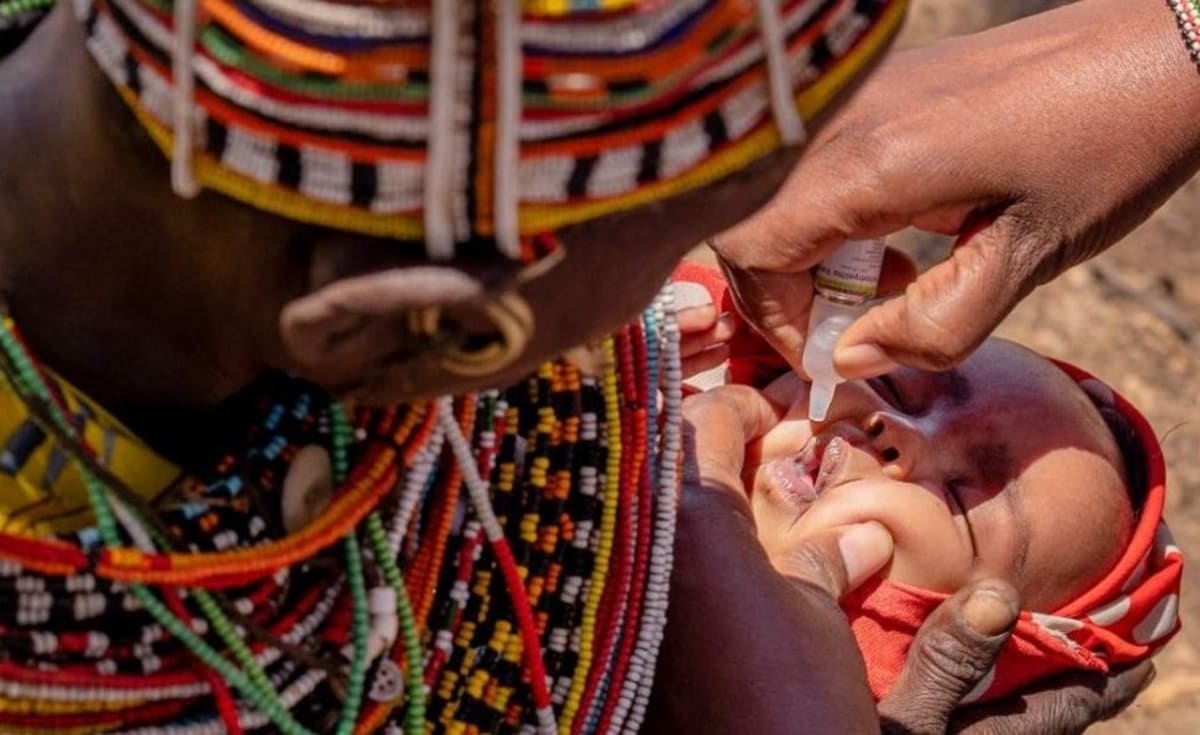
Africa Launches First Continental Immunization Strategy
African nations unveiled their first continent-led vaccination strategy in April, building on 50 years of progress that saved 50 million lives. The plan aims to close gaps and reach every child as Africa's population grows toward 3.3 billion by 2075.
African health leaders made history this April by launching the continent's first homegrown immunization strategy, a bold step toward protecting billions of future lives. After five decades of steady progress, Africa is taking full ownership of its public health destiny.
The results so far tell an incredible story of what's possible when nations work together. Vaccinations have saved more than 50 million African lives and cut infant deaths by over half since the 1970s. Wild polio has been completely eliminated from the continent since 2020, a victory many thought impossible just decades ago.
Today, 90 percent of African countries no longer face maternal and neonatal tetanus as a public health threat. Four nations have wiped out measles and rubella entirely. More children than ever are getting life-saving shots against pneumonia, rotavirus, malaria, and HPV.
The new strategy comes at a crucial moment. Africa's population of 1.4 billion people will more than double in the next 50 years, creating both challenges and opportunities. Current vaccination rates stand at 76 percent, and leaders know that's not good enough for a continent on the rise.
Real obstacles remain, especially in rural communities and conflict zones where getting vaccines to families proves difficult. About 7.8 million African children still missed basic vaccinations in 2024. Health workers also face funding challenges as international aid declines, with some programs losing up to 83 percent of support.
But African nations aren't waiting for outside help anymore. They're investing in digital health tools to track vaccinations better and integrating immunization into everyday primary care. Countries are building stronger supply chains to reach remote villages and training more community health workers.
The Ripple Effect
When vaccination rates rise, entire economies benefit. Healthier children become better students and more productive workers as adults. Fewer disease outbreaks mean hospitals can focus on other health needs instead of emergencies. Communities gain stability when parents don't have to miss work caring for sick children.
The economic case is clear: every dollar spent on vaccines returns many times over in saved medical costs and increased productivity. Africa CDC is now working directly with member nations to strengthen leadership and make immunization a top budget priority, not an afterthought dependent on foreign funding.
This strategy represents Africa solving African challenges with African solutions, backed by decades of proven success and powered by genuine political commitment from the continent's leaders.
With 3.3 billion people counting on these systems by 2075, Africa is building the foundation for the healthiest, most prosperous generation the continent has ever known.
Based on reporting by AllAfrica - Headlines
This story was written by BrightWire based on verified news reports.
Spread the positivity!
Share this good news with someone who needs it